Xi Jinping Warns of Potential U.S.-China Clash Over Taiwan
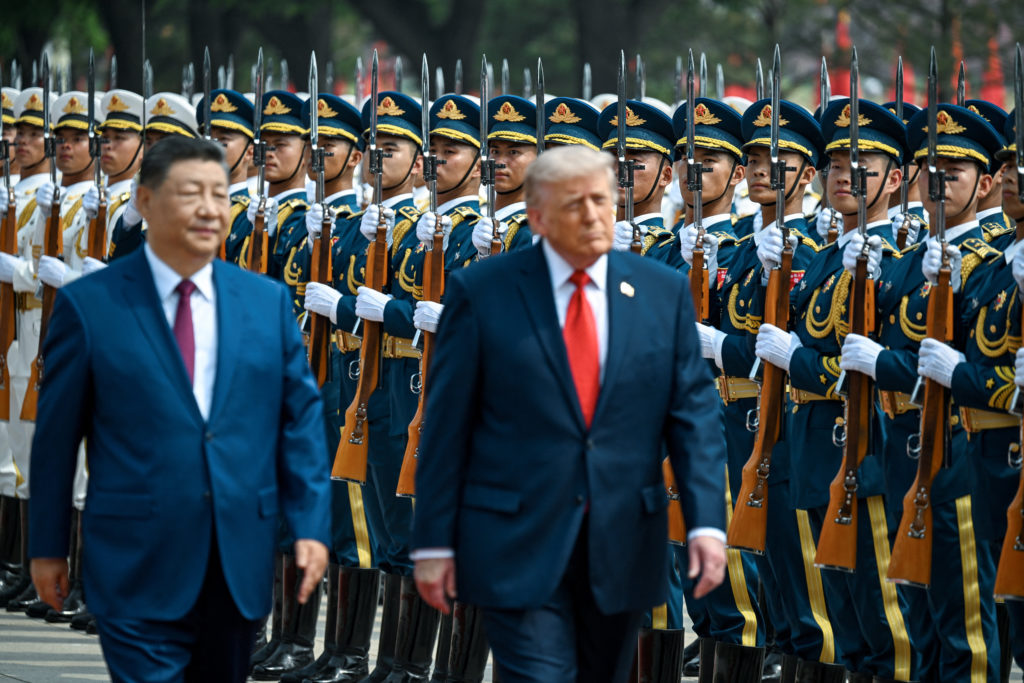
Chinese President Xi Jinping has expressed concerns that tensions between the U.S. and China may escalate over Taiwan. This warning comes amid ongoing geopolitical tensions and military posturing in the region.
Xi Jinping's Stark Warning
In a recent communication with former U.S. President Donald Trump, Chinese President Xi Jinping emphasized the potential for conflict between the United States and China over Taiwan. The discussion, which took place during a phone call, highlights the escalating tensions surrounding Taiwan, an island that Beijing considers a breakaway province.
Background of U.S.-China Relations
The relationship between the U.S. and China has been fraught with challenges in recent years, particularly concerning trade, technology, and military presence in the Asia-Pacific region. Taiwan has emerged as a flashpoint in these relations, with the U.S. maintaining a policy of strategic ambiguity while providing support to Taiwan's defense capabilities.
China's Stance on Taiwan
During the call, Xi reiterated China's long-standing position that Taiwan is an integral part of its territory and warned that any attempts by the U.S. to support Taiwanese independence could lead to serious consequences. He stated, "Those who play with fire will get burned," underscoring Beijing's determination to prevent any moves towards formal independence by Taiwan.
U.S. Response and Strategic Ambiguity
The U.S. has historically maintained a policy of strategic ambiguity regarding Taiwan, which allows it to support Taiwan without explicitly committing to military intervention in the event of a conflict. This approach aims to deter both Chinese aggression and Taiwanese moves towards independence. However, recent developments, including increased military drills by China around Taiwan, have raised concerns in Washington about the viability of this policy.
Military Escalation in the Taiwan Strait
In the wake of Xi's comments, military activities in the Taiwan Strait have intensified. The Chinese military has conducted numerous exercises near Taiwan, showcasing its capabilities and sending a clear message to both Taiwan and the U.S. In response, the U.S. has increased its naval presence in the region, conducting freedom of navigation operations to assert its commitment to regional allies.
Global Implications of U.S.-China Tensions
The potential for conflict over Taiwan has significant implications not only for U.S.-China relations but also for global stability. Many analysts warn that a military confrontation in the Taiwan Strait could draw in regional allies and disrupt global supply chains, particularly in technology and manufacturing sectors. The stakes are high, as both nations navigate a complex web of alliances and rivalries.
Diplomatic Efforts and Future Outlook
Despite the rising tensions, there are ongoing diplomatic efforts aimed at managing the relationship between the U.S. and China. High-level dialogues and meetings are being held to address various issues, including trade disputes and military posturing. However, the Taiwan issue remains a significant hurdle, with both sides holding firm to their respective positions.
Conclusion
The warning from Xi Jinping serves as a stark reminder of the fragility of peace in the Taiwan Strait. As the U.S. and China continue to engage in a complex geopolitical dance, the international community watches closely, hoping for a resolution that avoids conflict while respecting the aspirations of the Taiwanese people.