Xi Jinping's Upcoming Visit to Washington: A Diplomatic Opportunity
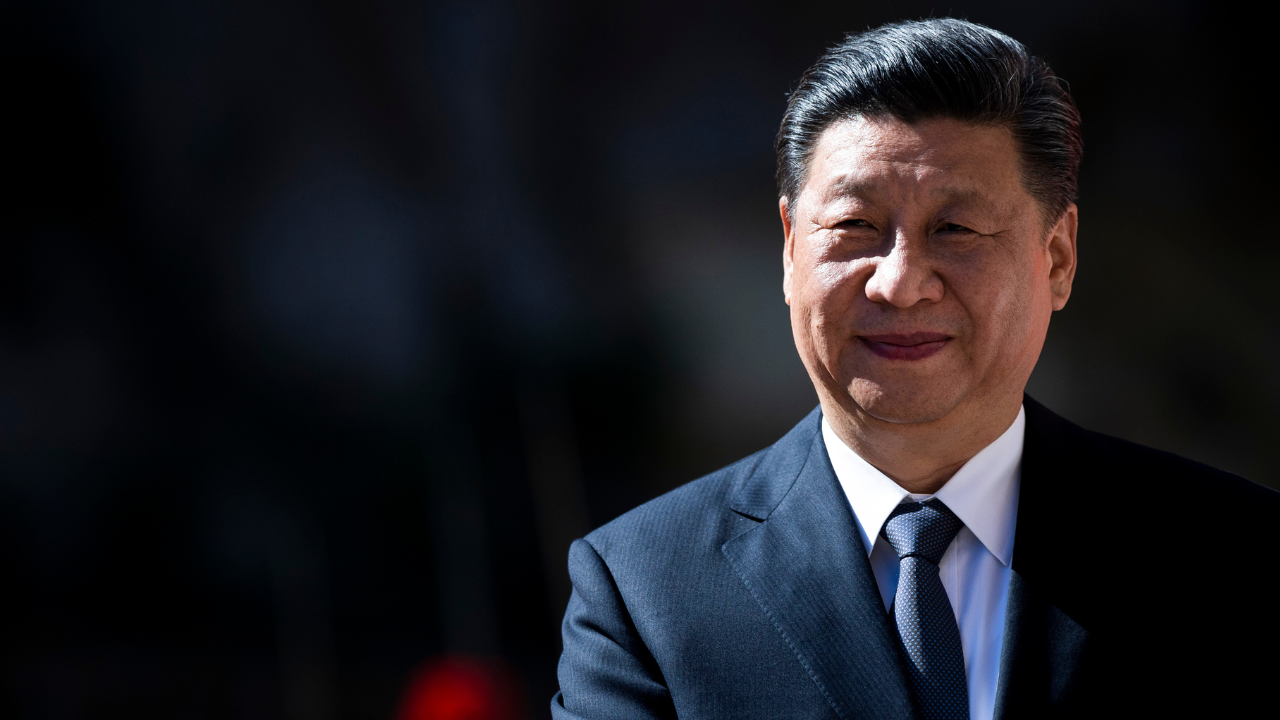
Chinese President Xi Jinping is set to visit Washington, presenting a pivotal moment for U.S.-China relations. Analysts suggest that inviting an unexpected guest could enhance diplomatic dialogue and foster better understanding between the two nations.
Introduction
As the world watches closely, Chinese President Xi Jinping is preparing for a significant diplomatic visit to Washington. This trip comes at a time of heightened tensions and complex geopolitical dynamics between the United States and China. With various issues at stake, including trade, technology, and human rights, the visit presents a crucial opportunity for dialogue and potential resolution.
Context of the Visit
Xi's visit is not merely a formality; it is a strategic move aimed at recalibrating the relationship between the two global superpowers. Recent years have seen a deterioration in U.S.-China relations, marked by trade wars, military posturing in the South China Sea, and concerns over human rights violations in Xinjiang and Hong Kong. As both nations navigate these turbulent waters, the visit could serve as a platform for addressing these contentious issues.
Newt Gingrich's Perspective
Former House Speaker Newt Gingrich has weighed in on the upcoming visit, suggesting that Xi should consider bringing an unexpected guest to Washington. This guest, he argues, could symbolize a willingness to engage in genuine dialogue and foster goodwill. While Gingrich did not specify who this guest might be, the idea resonates with the need for fresh perspectives in U.S.-China relations.
The Importance of Symbolism
Inviting a guest who embodies a spirit of cooperation could send a powerful message. It could signify that both nations are open to collaboration and understanding, rather than confrontation. Such a gesture might also help to ease the public perception of China in the U.S., which has been marred by negative portrayals in recent years.
Potential Guests and Their Impact
Several figures could be considered for this role. For instance, a prominent business leader who has successfully navigated U.S.-China relations could demonstrate the mutual benefits of cooperation. Alternatively, a cultural ambassador or artist could highlight the shared values and common humanity between the two nations, fostering a sense of connection beyond politics.
Challenges Ahead
Despite the potential for positive outcomes, Xi's visit will not be without challenges. The Biden administration faces pressure from various factions, including those advocating for a tougher stance on China. Issues such as Taiwan's status, China's influence in the Indo-Pacific region, and cybersecurity threats will likely dominate discussions. Additionally, domestic political considerations in both countries could complicate the dialogue.
The Role of Public Opinion
Public opinion in both the U.S. and China will play a critical role in shaping the outcomes of this visit. In the U.S., a significant portion of the population views China as a strategic competitor, and any perceived concessions could be met with skepticism. Conversely, in China, the government must balance national pride with the desire for international cooperation. Both leaders must navigate these sentiments carefully to ensure that the visit yields constructive results.
Conclusion
As Xi Jinping prepares for his visit to Washington, the stakes are high. This diplomatic engagement could pave the way for a new chapter in U.S.-China relations, provided that both sides approach the discussions with an open mind and a willingness to listen. By considering an unexpected guest, Xi could signal a commitment to dialogue and cooperation, which is essential for addressing the pressing global challenges that lie ahead.