Xi Jinping's Military Purges: A Quest for Total Control
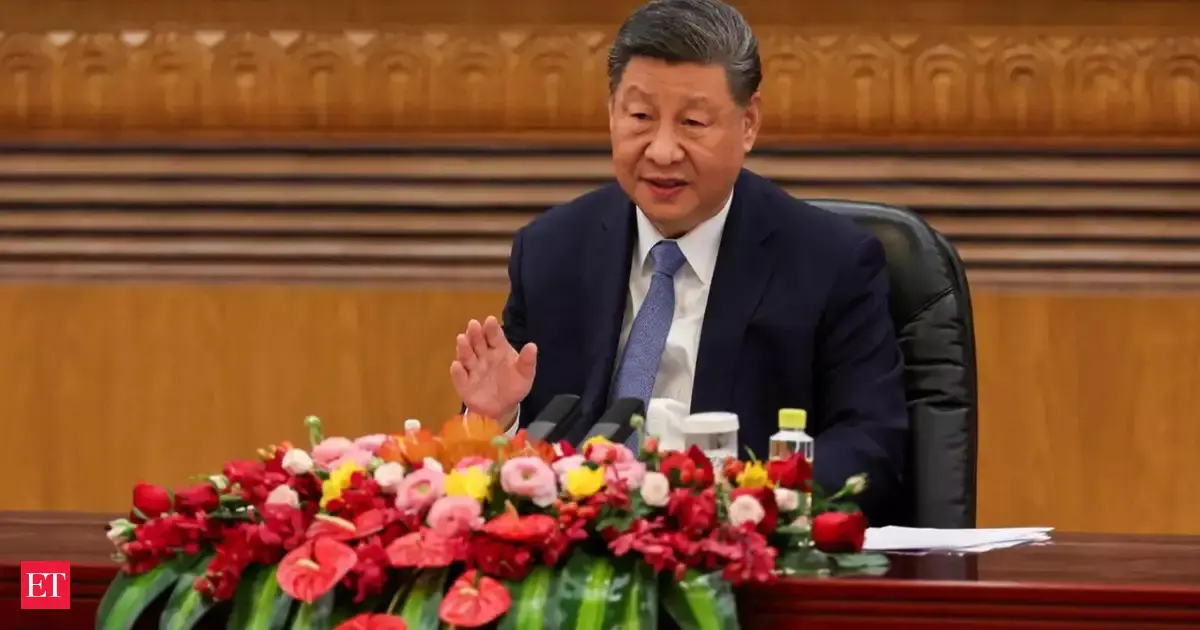
Chinese President Xi Jinping is intensifying his grip on the military through a series of purges, aiming for total control over the armed forces. US envoy David Perdue highlights the implications of these actions for regional stability and international relations.
Introduction
In a bold move that underscores his ambition for total control over China's military, President Xi Jinping has initiated a series of purges within the armed forces. These actions, described by US envoy David Perdue as a quest for absolute authority, raise significant concerns about the implications for regional stability and international relations.
The Context of the Purges
Xi Jinping's purges are not unprecedented; they are part of a broader strategy that has been unfolding since he took power in 2012. The Chinese leader has consistently sought to consolidate his power across various sectors, including the military, which plays a crucial role in China's national security and global ambitions.
According to reports, the recent purges have targeted high-ranking officials within the People’s Liberation Army (PLA), a move that is seen as an attempt to eliminate dissent and ensure loyalty among military leaders. This strategy aligns with Xi's broader vision of a militarily strong and politically unified China.
US Concerns and Regional Implications
David Perdue, the US envoy, has expressed serious concerns regarding Xi's military purges. He argues that these actions could destabilize the region as they may lead to an increasingly aggressive military posture from China. The purges could embolden hardliners within the PLA, potentially escalating tensions in areas such as the South China Sea and Taiwan.
Perdue's warnings highlight the delicate balance of power in the Asia-Pacific region, where China's military expansion and assertiveness have already raised alarms among neighboring countries and the United States. The potential for miscalculations or aggressive maneuvers by a purged and possibly more radicalized military poses a significant risk to regional security.
The Internal Dynamics of the PLA
Internally, the PLA has undergone significant changes under Xi's leadership. The purges serve multiple purposes: they eliminate rivals, instill fear, and reinforce Xi's vision of a loyal military that will carry out his directives without question. This approach is indicative of Xi's broader governance style, which emphasizes loyalty and obedience over institutional integrity and meritocracy.
Experts suggest that while purges may temporarily strengthen Xi's control, they could also lead to instability within the military ranks. The removal of experienced leaders can create a vacuum of leadership and disrupt operational effectiveness, potentially compromising China's military readiness.
International Reactions and Future Outlook
The international community is closely monitoring these developments, particularly the United States and its allies in the Asia-Pacific region. As Xi Jinping continues to assert his dominance over the military, countries such as Japan, South Korea, and Australia are recalibrating their defense strategies in response to the perceived threat from a more assertive China.
In conclusion, Xi Jinping's military purges represent a significant shift in China's approach to governance and military leadership. While these actions may bolster Xi's control in the short term, they also carry the risk of increased instability and aggression, with far-reaching implications for regional and global security.
Conclusion
As the situation unfolds, the world watches closely to see how Xi's quest for total control will shape the future of China’s military and its interactions on the global stage. The potential for conflict looms larger as the balance of power shifts, making it imperative for international stakeholders to engage in dialogue and strategic planning to mitigate risks associated with these developments.