Xi Jinping Declares Taiwanese Identity a Crime: A New Era of Tensions
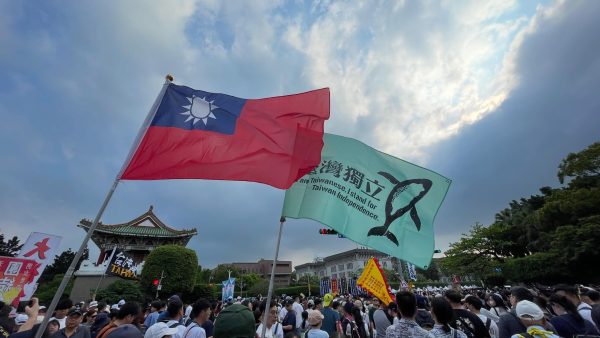
In a shocking move, Chinese President Xi Jinping has officially criminalized the expression of Taiwanese identity, escalating tensions between Taiwan and Mainland China. This decision raises significant concerns about human rights and the future of cross-strait relations.
Introduction
In a controversial and unprecedented declaration, Chinese President Xi Jinping has made it a crime to identify as Taiwanese, a move that has sent shockwaves through the region and drawn international condemnation. This decision marks a significant escalation in the already fraught relations between Taiwan and Mainland China, raising serious concerns about human rights and the future of Taiwanese identity.
The Context of the Decision
For decades, Taiwan has maintained a distinct identity separate from Mainland China, with its own government, democratic elections, and vibrant culture. However, Beijing has long viewed Taiwan as a breakaway province and has consistently sought to undermine its sovereignty. Xi's recent pronouncement comes amid a broader strategy to assert control over Taiwan and suppress any expressions of Taiwanese nationalism.
Details of the Criminalization
The new law, which was announced during a high-profile address, stipulates that any individual or organization promoting Taiwanese identity or independence could face severe penalties, including imprisonment. This includes not only political figures but also ordinary citizens who express their identity through social media, public demonstrations, or cultural events. The law has been framed as a necessary measure to safeguard national unity and security, but critics argue that it is a blatant violation of personal freedoms.
International Reactions
The international community has reacted swiftly to Xi's announcement. Several Western nations, including the United States and members of the European Union, have condemned the move as a direct attack on human rights and democratic values. U.S. Secretary of State Antony Blinken stated, "This is an alarming development that threatens the stability of the region and undermines the principles of self-determination and freedom of expression."
Human rights organizations have also voiced their concerns, calling for immediate action to protect the rights of Taiwanese citizens. Amnesty International described the law as a “draconian measure” that could lead to widespread repression and fear among the Taiwanese populace.
Impact on Taiwanese Society
The implications of this new law are profound. Many Taiwanese citizens who have long identified with their unique heritage are now faced with the chilling prospect of persecution for simply expressing their identity. The law is expected to create an atmosphere of fear, leading to self-censorship and a decline in public discourse about Taiwanese identity and independence.
Moreover, this development has the potential to galvanize pro-independence sentiments within Taiwan, as citizens may rally against what they perceive as an existential threat to their way of life. Political analysts suggest that this could lead to increased support for pro-independence parties in upcoming elections, further complicating cross-strait relations.
Conclusion
Xi Jinping's criminalization of Taiwanese identity marks a dangerous turning point in the relationship between Taiwan and Mainland China. As the international community watches closely, the implications of this law will likely reverberate far beyond the Taiwan Strait, affecting geopolitical dynamics and the global discourse on human rights. The future of Taiwan hangs in the balance as citizens grapple with the realities of living under a regime that seeks to erase their identity.