Xi Jinping Criminalizes Taiwanese Identity in New Legislative Move
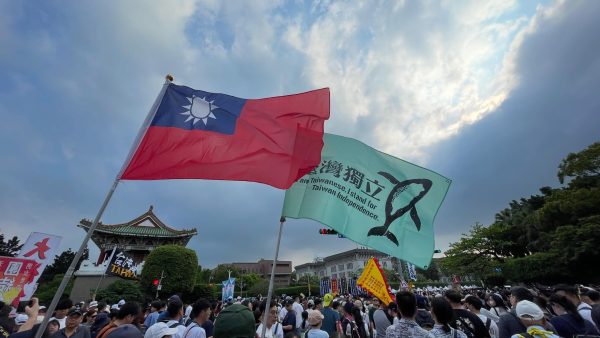
In a controversial new law, Xi Jinping has made it a criminal offense to identify as Taiwanese, escalating tensions between Taiwan and Mainland China. This move raises significant concerns about the future of Taiwan's sovereignty and identity.
Introduction
The political landscape in East Asia has shifted dramatically following a recent legislative move by Chinese President Xi Jinping, which criminalizes the identification of individuals as Taiwanese. This unprecedented action has sparked outrage and concern among Taiwanese citizens and international observers, raising questions about the implications for Taiwan's sovereignty and its relationship with Mainland China.
The New Law
Under the newly enacted law, individuals who publicly identify as Taiwanese could face severe penalties, including fines and imprisonment. The Chinese government has framed this legislation as a necessary step to combat what it describes as 'separatist activities' that threaten national unity. Critics argue that this law is an overt attempt to erase Taiwanese identity and suppress the island's distinct cultural and political landscape.
Background of Tensions
Relations between Taiwan and Mainland China have been fraught with tension for decades, particularly since the end of the Chinese Civil War in 1949. While Taiwan operates as a separate entity with its own government and democratic system, Beijing views it as a breakaway province that must eventually be reunified with the mainland, by force if necessary. The recent law represents a significant escalation in this ongoing conflict, as it directly targets the identity of the Taiwanese people.
International Reactions
The international community has reacted swiftly to the news of the new law. The United States, which has historically supported Taiwan's democratic governance, condemned the legislation as an infringement on personal freedoms and a violation of human rights. U.S. Secretary of State Antony Blinken stated, 'This law is an alarming development that undermines the principles of self-determination and democratic governance that Taiwan embodies.'
European nations have also expressed their concern, with several leaders calling for a united front against China's increasing authoritarianism. The European Union is reportedly considering sanctions against Chinese officials involved in the drafting and implementation of this law.
Impact on Taiwanese Society
The implications of this law are profound for Taiwanese society. Many citizens have expressed fear over the potential repercussions of openly identifying as Taiwanese. Activists and human rights organizations warn that this legislation could lead to widespread surveillance and repression of dissenting voices, further stifling the already limited space for political expression in Taiwan.
Moreover, the law has sparked a renewed sense of nationalism among many Taiwanese, who view their identity as a crucial aspect of their resistance against Chinese hegemony. Protests have erupted across the island, with demonstrators rallying to defend their right to self-identify and express their cultural heritage.
Future Prospects
As tensions escalate, the future of Taiwan's sovereignty remains uncertain. The Taiwanese government, led by President Tsai Ing-wen, has vowed to protect the island's democratic values and resist any attempts at forced unification. However, the Chinese government has made it clear that it will not back down from its stance, suggesting that the situation could lead to further confrontations.
In conclusion, Xi Jinping's criminalization of Taiwanese identity marks a significant turning point in cross-strait relations. The international community's response will be crucial in shaping the future dynamics of this conflict, as Taiwan navigates its path amid increasing pressure from Beijing. The resilience of the Taiwanese people and their commitment to their identity will be tested in the months and years to come.