WSJ's Parent Company Faces Trial in Hong Kong Over Alleged Reporter Dismissal Linked to Union Activities
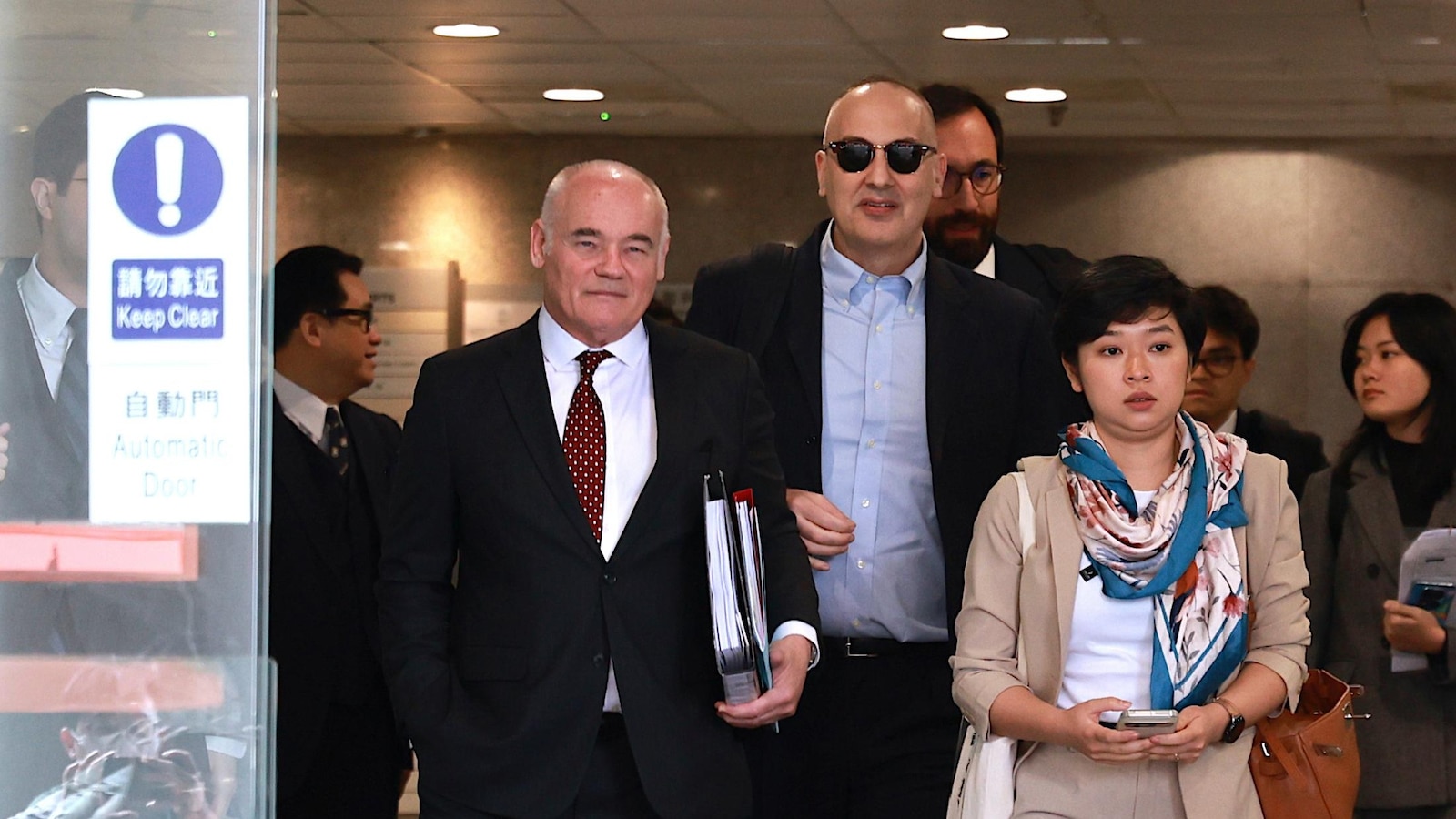
The parent firm of The Wall Street Journal is currently on trial in Hong Kong, accused of unlawfully dismissing a reporter due to her involvement with a union. The case raises significant questions about press freedom and labor rights in the region amidst a challenging political climate.
Introduction
In a landmark case that could have far-reaching implications for press freedom and labor rights in Hong Kong, the parent company of The Wall Street Journal (WSJ) is facing trial over allegations that it wrongfully dismissed a reporter due to her active role in a labor union. The trial, which began this week, has garnered significant media attention and has sparked discussions about the state of journalism in the region.
Background of the Case
The reporter at the center of the case, whose identity has not been disclosed for legal reasons, claims that her termination was directly linked to her involvement with the Hong Kong Journalists Association (HKJA), a prominent union advocating for the rights of journalists in the city. According to court documents, the reporter was dismissed in 2022 after raising concerns about workplace conditions and advocating for better rights for her colleagues.
Allegations Against WSJ's Parent Company
The allegations against Dow Jones & Company, the parent firm of WSJ, include claims of unfair dismissal and retaliation against an employee for union activities. The reporter testified that her termination came shortly after she participated in union meetings and voiced her concerns regarding editorial independence and workplace safety.
During her testimony, she described the environment at WSJ as increasingly hostile towards union activities, stating that management had made it clear that union involvement was unwelcome. “I felt that I was standing up not just for myself but for my colleagues who were afraid to speak out,” she said. This sentiment resonates with many journalists in Hong Kong, where press freedom has come under increasing pressure in recent years.
Implications for Press Freedom
The case is particularly significant in the context of Hong Kong's evolving political landscape, where the implementation of the National Security Law has led to widespread concerns about censorship and the curtailment of freedoms. Observers argue that this trial could set a precedent for how labor rights and press freedoms are treated in the region, especially for journalists who wish to organize and advocate for their rights.
Media organizations and human rights advocates have rallied around the reporter, emphasizing the importance of protecting journalistic integrity and the right to unionize. “This case is not just about one reporter; it’s about the future of journalism in Hong Kong,” said a spokesperson for the HKJA. “If journalists cannot speak up for their rights, it undermines the very foundation of a free press.”
Reactions from the Industry
The trial has drawn reactions from various sectors, including international media organizations, which have expressed solidarity with the reporter. The Committee to Protect Journalists (CPJ) released a statement urging the court to uphold the rights of journalists and to recognize the importance of unions in protecting those rights. “This case highlights the critical need for protections for journalists who choose to advocate for their rights,” the statement read.
Meanwhile, Dow Jones has denied the allegations, asserting that the termination was based on legitimate business reasons unrelated to the reporter’s union activities. The company has maintained that it supports the rights of its employees to organize and has emphasized its commitment to journalistic standards.
Conclusion
The trial is ongoing, and its outcome remains uncertain. However, it serves as a crucial moment for both labor rights and press freedom in Hong Kong, a city that has long prided itself on its vibrant media landscape. As the world watches, the implications of this case could resonate far beyond the courtroom, influencing the future of journalism and labor rights in the region.