Workers in China Express Concerns Over AI Job Displacement
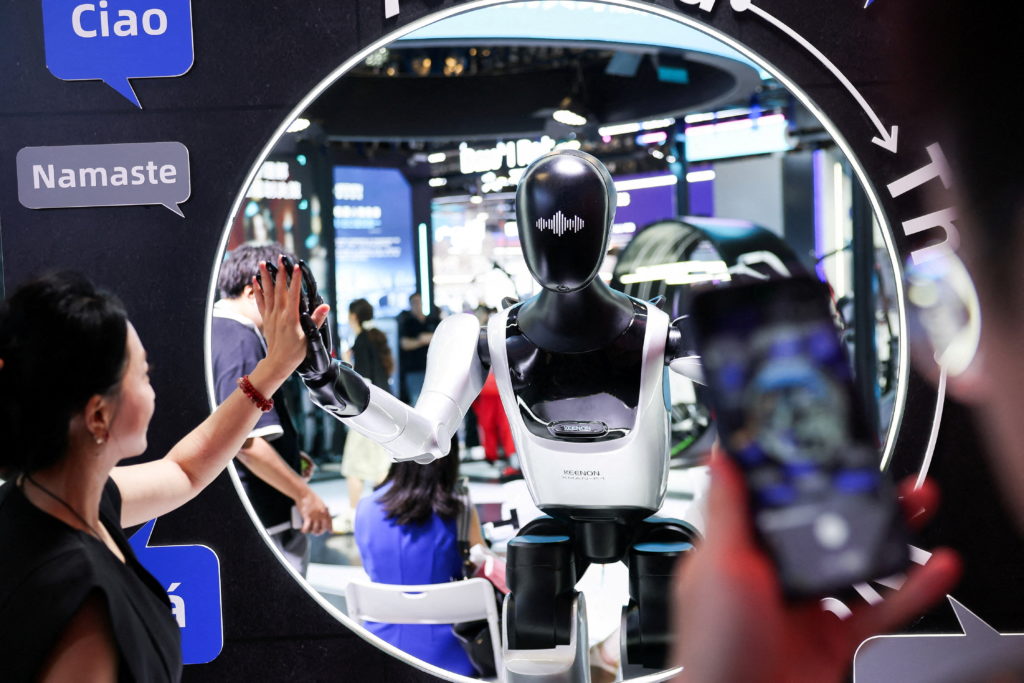
As artificial intelligence continues to advance, workers across various sectors in China are increasingly worried about job security. The rise of AI technologies raises questions about the future of employment and the need for reskilling in the workforce.
Introduction
In recent years, the rapid advancement of artificial intelligence (AI) has sparked a wave of concern among workers in Mainland China. As industries increasingly turn to automation and AI-driven solutions, many employees fear that their jobs may be at risk. This growing anxiety reflects a broader global trend, but the implications for China's massive workforce are particularly significant.
The Rise of AI in the Workplace
China has emerged as a leader in AI development, with the government actively promoting the technology as part of its national strategy. From manufacturing to customer service, AI applications are becoming commonplace, streamlining operations and enhancing efficiency. However, this technological progress comes at a cost, as many workers find themselves grappling with the potential for displacement.
Workers' Concerns
In interviews conducted across various sectors, employees expressed their fears about being replaced by machines. A factory worker in Guangdong province, who wished to remain anonymous, shared, "Every day, I see more machines taking over tasks that I used to do. It's hard not to worry about my future. Will I still have a job in a few years?" This sentiment is echoed by many, particularly in low-skilled positions that are more susceptible to automation.
Impact on Job Security
The threat of job displacement is particularly pronounced in industries such as manufacturing, logistics, and retail, where AI technologies are being rapidly adopted. According to a report by the World Economic Forum, it is estimated that by 2025, automation could displace 85 million jobs globally, with China being one of the countries most affected. This alarming statistic has left many workers feeling vulnerable and uncertain about their career prospects.
Reskilling and Adaptation
In response to these challenges, experts emphasize the importance of reskilling and upskilling the workforce. As the demand for AI-related skills grows, workers must adapt to the changing job landscape. The Chinese government has recognized this need and is investing in education and training programs aimed at equipping workers with the skills necessary to thrive in an AI-driven economy.
Government Initiatives
In 2021, the Chinese government launched a national initiative to promote vocational training and education in technology fields. This initiative aims to prepare the workforce for the future by providing access to training programs that focus on digital skills, data analysis, and AI technologies. However, the effectiveness of these programs remains to be seen, as many workers still feel unprepared for the changes ahead.
Public Sentiment
Public sentiment towards AI is mixed. While many recognize the potential benefits of increased efficiency and productivity, the fear of job loss looms large. A recent survey indicated that 62% of respondents were concerned about AI taking over their jobs, highlighting the urgent need for dialogue about the future of work in China.
Conclusion
The rise of AI in Mainland China presents both opportunities and challenges for the workforce. As workers express their concerns about job displacement, the need for reskilling and adaptation becomes increasingly critical. Policymakers, businesses, and educational institutions must collaborate to ensure that the workforce is prepared for the future, fostering an environment where technology and human labor can coexist harmoniously.