Visions Of Taiwan’s Future: A Journey Through Democracy, Technology, And Culture
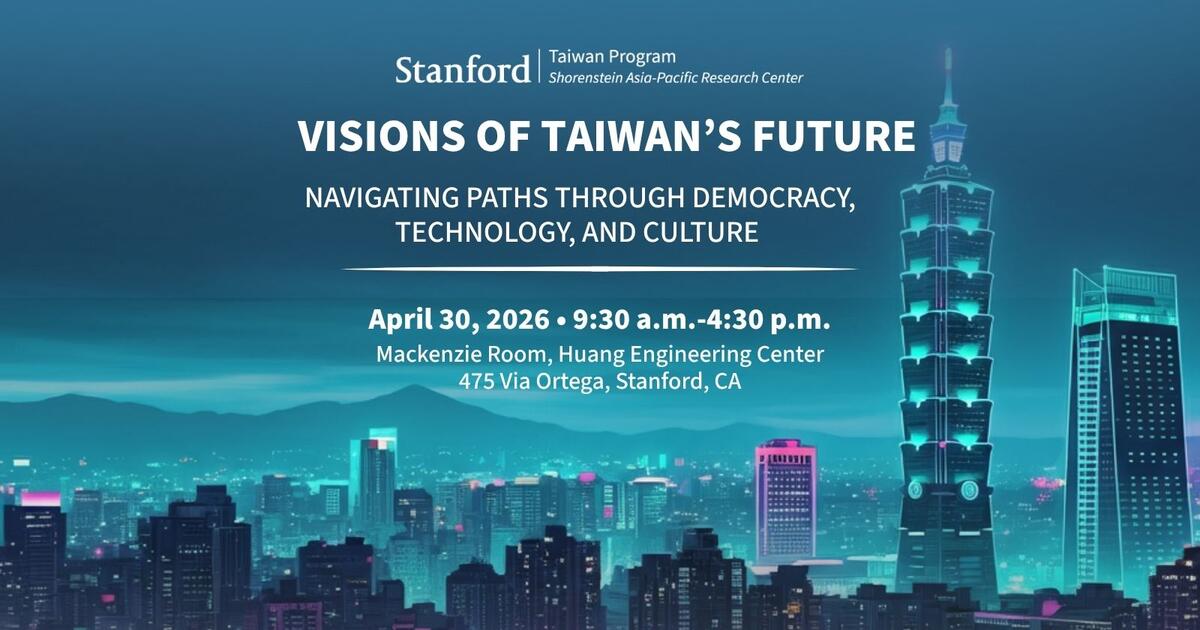
Taiwan stands at a crossroads, balancing its rich democratic values with the rapid advancements in technology and the preservation of its unique culture. This report explores the multifaceted challenges and opportunities that lie ahead for the island nation.
Introduction
As Taiwan navigates the complexities of the 21st century, it finds itself at a critical juncture where democracy, technology, and culture intersect. The island's vibrant political landscape, coupled with its technological prowess, presents both challenges and opportunities that could shape its future trajectory.
The Democratic Landscape
Taiwan's democracy is often hailed as a beacon of hope in a region where authoritarianism is prevalent. The island has made significant strides since transitioning from martial law in the late 20th century, establishing a robust electoral system that allows for the free expression of political will. However, recent tensions with Mainland China have raised questions about the sustainability of this democratic framework. The Taiwanese populace remains vigilant, advocating for their rights and freedoms while facing external pressures.
Technological Advancements
In the realm of technology, Taiwan has emerged as a global leader, particularly in semiconductor manufacturing and information technology. Companies like TSMC (Taiwan Semiconductor Manufacturing Company) play a crucial role in the global supply chain, making Taiwan an indispensable player in the tech industry. As the world becomes increasingly reliant on technology, Taiwan's ability to innovate and adapt will be pivotal in maintaining its economic stability and global standing.
Cultural Identity
Amidst the rapid technological advancements and political challenges, Taiwan's cultural identity remains a cornerstone of its society. The island boasts a rich tapestry of traditions, languages, and artistic expressions that reflect its diverse heritage. From the vibrant festivals celebrating indigenous cultures to the contemporary art scene flourishing in urban centers, Taiwan's cultural landscape is a testament to its resilience and creativity. However, the challenge lies in preserving this cultural richness in the face of globalization and the homogenizing forces of modernity.
Challenges Ahead
Despite its achievements, Taiwan faces several challenges that could hinder its progress. The looming threat of military aggression from Mainland China poses a significant risk to its sovereignty and democratic institutions. Additionally, the ongoing struggle to maintain a competitive edge in the global technology market requires continuous investment in research and development. Furthermore, addressing social issues such as income inequality and an aging population will be crucial for ensuring a stable and prosperous future.
Opportunities for Growth
On the other hand, Taiwan's unique position offers numerous opportunities for growth and collaboration. The island's democratic values resonate with many countries seeking to strengthen ties with like-minded nations. By fostering international partnerships, especially in areas such as technology and sustainable development, Taiwan can enhance its global influence and secure its place on the world stage.
Conclusion
As Taiwan looks to the future, it must navigate the delicate balance between preserving its democratic values, harnessing technological advancements, and celebrating its rich cultural heritage. The journey ahead will undoubtedly be fraught with challenges, but with resilience and innovation, Taiwan can carve out a path that reflects its aspirations and ideals. The world will be watching as this dynamic island continues to shape its destiny in an ever-changing global landscape.