US Sanctions Campaign Faces Challenges with China’s Response
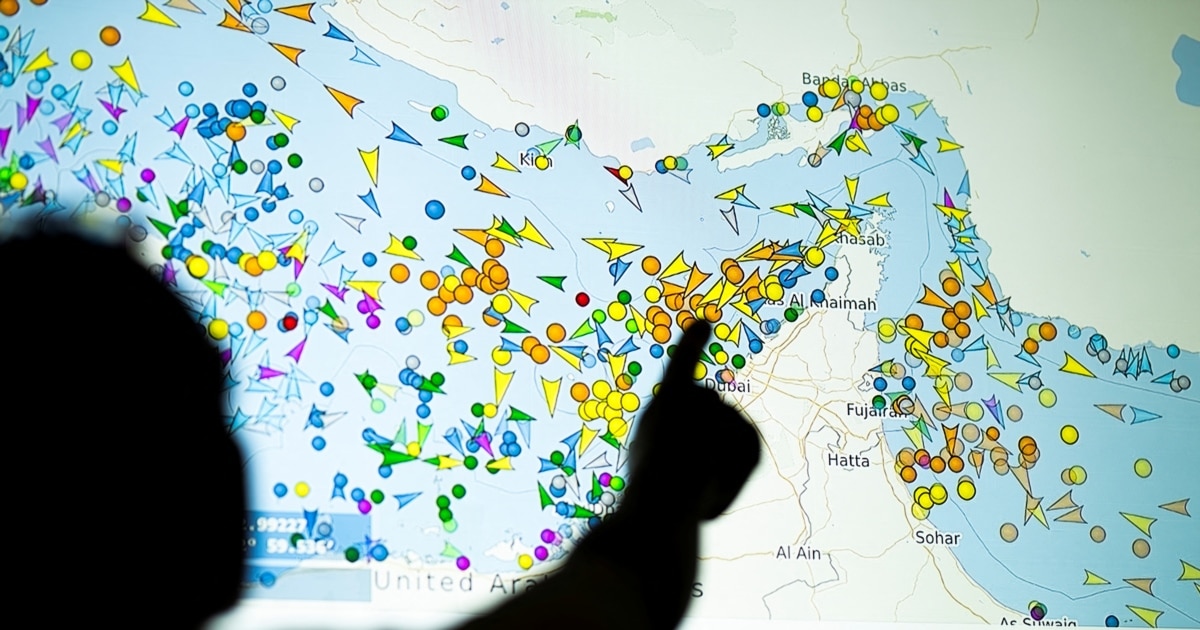
The United States' sanctions campaign against China is encountering significant hurdles as Beijing shows reluctance to comply. Analysts warn that China's non-cooperation could undermine the effectiveness of US foreign policy.
Introduction
The United States has long relied on economic sanctions as a tool to influence foreign policy and promote compliance with international norms. However, as the US intensifies its sanctions campaign against China, it faces a formidable challenge: Beijing's unwillingness to cooperate. This situation raises critical questions about the future of US-China relations and the efficacy of sanctions as a diplomatic tool.
Background on US Sanctions
US sanctions against China have been implemented for various reasons, including human rights abuses, trade imbalances, and national security concerns. The Biden administration has continued the trend set by its predecessor, seeking to hold China accountable for its actions in Hong Kong, its treatment of Uyghurs in Xinjiang, and its aggressive posture in the South China Sea.
China's Stance
Despite the mounting pressure from the US, China has demonstrated a steadfast commitment to its policies, often framing US sanctions as an infringement on its sovereignty. Analysts suggest that China's response is not merely a matter of national pride but also a strategic calculation aimed at maintaining its economic stability and global influence.
Potential Consequences of Non-Compliance
If China continues to resist US sanctions, the implications could be profound. For one, it could embolden other nations to challenge US authority and disregard sanctions, leading to a broader erosion of the effectiveness of such measures. Additionally, a lack of cooperation from China could exacerbate tensions between the two countries, potentially leading to a more confrontational stance from the US.
Economic Implications
The economic ramifications of China's non-compliance with US sanctions could be significant. The US has positioned itself as a leader in global trade, and any disruption in its relationship with China—a key trading partner—could have ripple effects throughout the global economy. Businesses that rely on trade with China may face uncertainty, leading to potential losses and a reevaluation of their operations.
International Reactions
Internationally, the response to the US sanctions campaign has been mixed. Some countries, particularly those in the West, have expressed support for the US's stance on human rights and trade practices. However, many nations, especially those in Asia and Africa, have been more cautious, fearing that aligning too closely with the US could jeopardize their economic ties with China.
Future of US-China Relations
The future of US-China relations remains uncertain as both nations navigate this complex landscape. Analysts suggest that a recalibration of expectations may be necessary. The US may need to consider alternative strategies to engage with China, focusing on dialogue and cooperation rather than solely relying on punitive measures.
Conclusion
As the US sanctions campaign faces its biggest test with China, the world watches closely. The outcomes of this standoff could redefine international relations and the balance of power in the coming years. Whether the US can adapt its approach to foster cooperation or whether tensions will escalate remains to be seen.