US Revokes Visas for Chilean Officials Over Controversial China Cable Plan
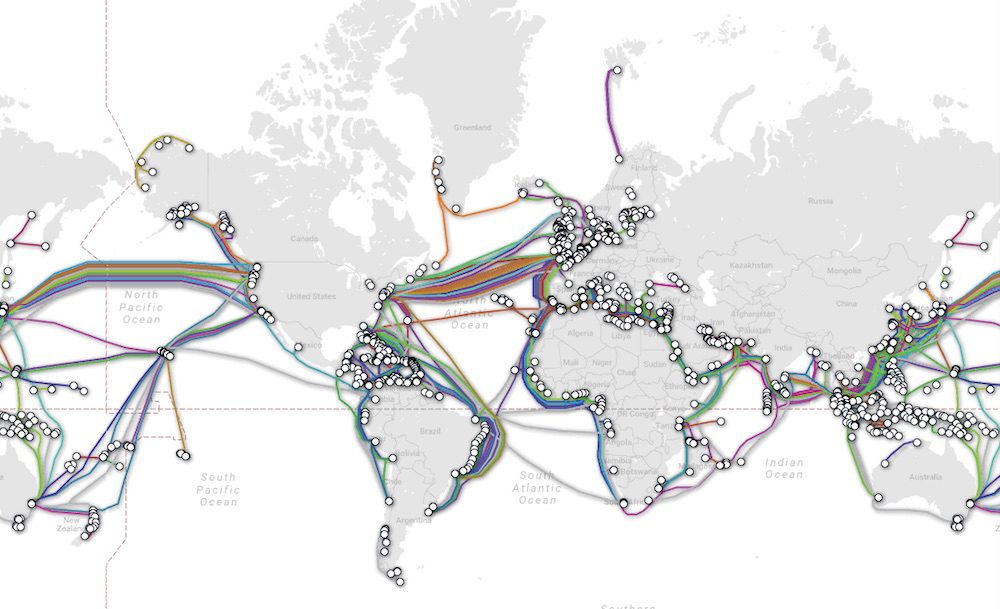
The United States has taken significant diplomatic action by revoking visas for several Chilean officials involved in a contentious undersea cable project with China. This move highlights growing tensions regarding China's influence in Latin America and the strategic implications for US interests in the region.
Background on the China Cable Project
The undersea cable project, which aims to connect Chile with China via a high-capacity fiber-optic cable, has raised eyebrows among US officials. The initiative, part of China's broader Belt and Road Initiative, is seen as a strategic move to enhance China's telecommunications infrastructure and expand its influence in Latin America. The cable is expected to facilitate faster internet access and improve connectivity for various sectors in Chile, but it also poses potential security risks, particularly concerning data privacy and surveillance.
US Response and Visa Revocation
In a decisive response to the project, the US State Department announced that it has revoked visas for several Chilean officials linked to the undersea cable plan. This action underscores the US government's commitment to countering China's growing footprint in the region. According to sources, the officials affected by the visa revocation were involved in negotiations and planning stages of the cable project, which has been criticized for potentially compromising national security.
Implications for US-Chile Relations
The revocation of visas has sparked discussions about the future of US-Chile relations. Historically, the two nations have maintained a strong partnership, particularly in trade and investment. However, the increasing involvement of China in Latin America has prompted the US to reassess its diplomatic strategies in the region. Experts suggest that this incident could lead to a cooling of relations between the US and Chile, particularly if the Chilean government continues to pursue closer ties with China.
Chile's Position on the Cable Project
Despite the US's concerns, the Chilean government has expressed its intention to move forward with the cable project. Officials argue that the initiative is crucial for improving the country's digital infrastructure and enhancing economic growth. They contend that the benefits of increased connectivity outweigh the potential risks associated with Chinese involvement. However, this stance has drawn criticism from various sectors within Chile, including opposition parties and civil society groups, who are wary of the implications of deepening ties with China.
Broader Context of US-China Competition
The situation in Chile is emblematic of a larger geopolitical struggle between the US and China for influence in Latin America. In recent years, China has ramped up its investments in the region, focusing on infrastructure projects and trade agreements. This has raised alarms in Washington, which views China's engagement as a challenge to its traditional dominance in the Western Hemisphere. The US has responded by increasing its diplomatic efforts and economic partnerships with countries in Latin America, attempting to counterbalance China's growing presence.
Future Prospects
As the situation develops, the future of the undersea cable project remains uncertain. The Chilean government faces pressure to navigate the delicate balance between fostering economic growth through foreign investment and addressing national security concerns raised by the US. Additionally, the response from the Chilean public and political landscape will play a crucial role in determining the project's viability. The US's visa revocation serves as a stark reminder of the complexities involved in international relations, particularly in an era marked by increasing competition between global powers.
Conclusion
The revocation of visas for Chilean officials involved in the China cable project illustrates the intricate dynamics of US-China relations in Latin America. As countries in the region grapple with the implications of foreign investments, the balance between economic opportunity and national security will continue to be a pivotal issue in shaping the future of international partnerships.