US Lifts Some Sanctions on Hong Kong Amid Ongoing Autonomy Concerns
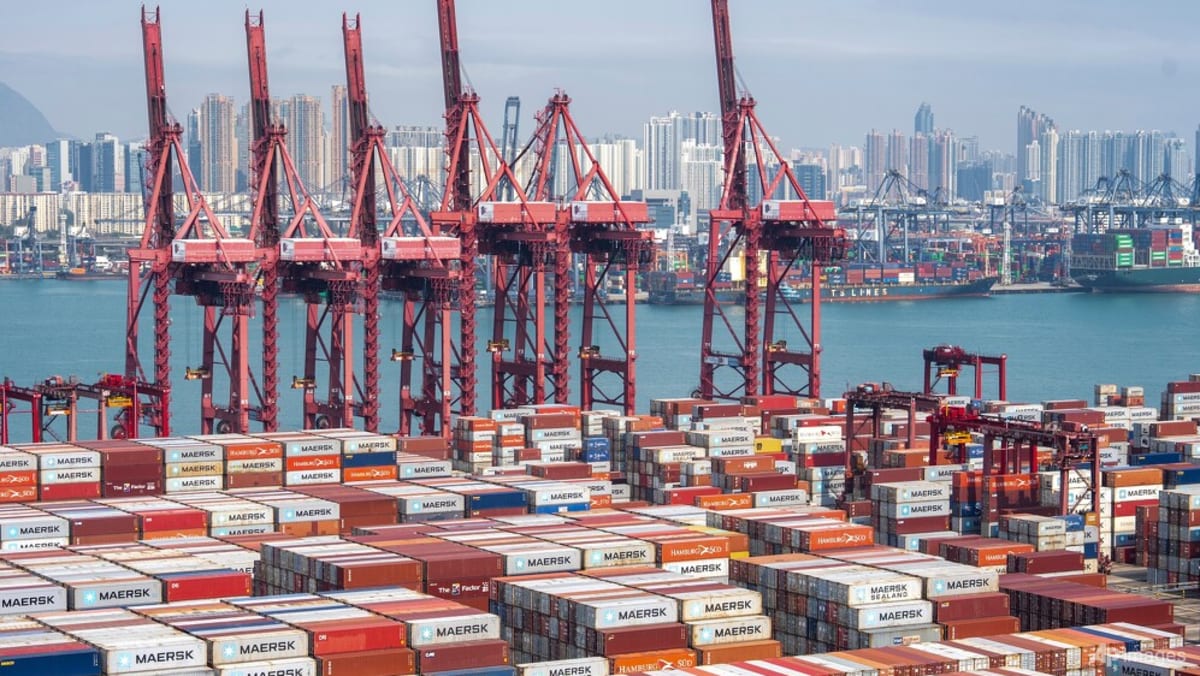
The United States has lifted certain sanctions imposed on Hong Kong during the Trump administration, while the city's autonomy status remains unchanged. This decision comes amid ongoing tensions between the US and China regarding Hong Kong's governance and human rights issues.
US Eases Sanctions on Hong Kong
In a significant shift in policy, the United States has announced the lifting of some sanctions imposed on Hong Kong during the Trump administration. This decision, however, does not alter the city's status regarding its autonomy, which has been a point of contention in US-China relations. The move has sparked discussions about the implications for both Hong Kong and the broader geopolitical landscape.
Background of Sanctions
The sanctions were initially imposed in response to China's increasing control over Hong Kong, particularly following the implementation of the National Security Law in 2020. This law has been widely criticized for undermining the freedoms and rights of Hong Kong residents, leading to widespread protests and international condemnation. The Trump administration's sanctions targeted individuals and entities deemed responsible for the erosion of autonomy in the region.
Biden Administration's Approach
With the Biden administration now at the helm, there appears to be a recalibration of the US approach towards Hong Kong. While the lifting of certain sanctions may be seen as a gesture towards easing tensions, officials have emphasized that the fundamental issues surrounding Hong Kong's autonomy remain unresolved. The US continues to monitor the situation closely, reaffirming its commitment to supporting the rights and freedoms of the people in Hong Kong.
Reactions from Hong Kong and China
The response from Hong Kong officials has been mixed. Some local leaders have welcomed the easing of sanctions as a potential step towards improving relations with the US. However, they also acknowledge that the core issues of autonomy and governance still need to be addressed. On the other hand, Chinese officials have consistently condemned foreign interference in Hong Kong's affairs, reiterating their stance that the region is an integral part of China.
Implications for US-China Relations
The lifting of sanctions is likely to have ramifications for US-China relations, which have been strained over various issues, including trade, technology, and human rights. Analysts suggest that this move could be an attempt by the Biden administration to create a more stable environment for dialogue with China, while still holding firm on its principles regarding human rights and democratic freedoms.
Future Outlook
As the situation in Hong Kong continues to evolve, the international community will be watching closely. The US has indicated that it will remain vigilant in its support for the people of Hong Kong, while also navigating the complex dynamics of its relationship with China. The lifting of sanctions may provide a temporary reprieve, but the underlying challenges of governance, autonomy, and human rights in Hong Kong are far from resolved.
Conclusion
The recent decision by the US to lift some sanctions on Hong Kong marks a notable development in the ongoing saga of the city's political landscape. While it may signal a willingness to engage in dialogue, the fundamental issues surrounding autonomy and governance remain a critical concern. As both Hong Kong and the international community grapple with these challenges, the path forward will require careful consideration and sustained advocacy for the rights of individuals in the region.