US Intensifies Chip War, Targeting Hua Hong's 7nm Aspirations Ahead of Trump-Xi Summit
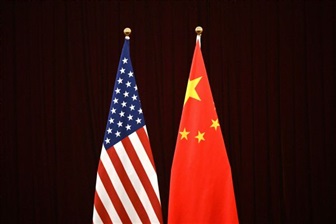
The United States has ramped up its efforts in the ongoing chip war by imposing new restrictions on Hua Hong Semiconductor's ambitions to produce 7nm chips. This move comes just before a highly anticipated summit between President Trump and President Xi, raising tensions in the tech sector.
US Escalates Chip War Against China
The United States has taken a significant step in its ongoing semiconductor rivalry with China by imposing new restrictions aimed at Hua Hong Semiconductor, a leading Chinese chip manufacturer. This escalation comes just ahead of a crucial summit between U.S. President Donald Trump and Chinese President Xi Jinping, raising questions about the future of U.S.-China relations and the global semiconductor landscape.
Targeting Hua Hong's 7nm Technology
Hua Hong Semiconductor has been making strides in developing advanced 7nm chip technology, which is critical for a range of applications, including artificial intelligence, high-performance computing, and mobile devices. However, the U.S. government has expressed concerns that such advancements could bolster China's military capabilities and technological independence, prompting the latest round of restrictions.
Impact on Global Semiconductor Supply Chain
The U.S. restrictions are expected to have far-reaching implications for the global semiconductor supply chain. As one of the largest chip manufacturers in China, Hua Hong's ability to produce cutting-edge technology is vital not only for its own growth but also for the broader Chinese tech ecosystem. The U.S. government’s actions could disrupt supply chains, affect pricing, and lead to further fragmentation in the semiconductor market.
Political Context and Implications
This move comes at a time of heightened geopolitical tensions between the U.S. and China, particularly in the technology sector. The upcoming summit between Trump and Xi is seen as a pivotal moment for both leaders to address trade issues, including tariffs and technology transfers. Analysts suggest that the chip war could dominate discussions, as both nations seek to assert their dominance in this critical industry.
China's Response and Future Outlook
China has consistently criticized U.S. restrictions on its tech companies, viewing them as an attempt to stifle its growth and innovation. In response to the latest measures, Chinese officials have vowed to bolster domestic semiconductor production and reduce reliance on foreign technology. The Chinese government has also indicated that it will support companies like Hua Hong in overcoming these challenges, potentially leading to increased state investment in the semiconductor sector.
The Broader Implications for the Tech Industry
The U.S.-China chip war is not only a battle for technological supremacy but also a reflection of broader economic and strategic rivalries. As both nations push for self-sufficiency in semiconductor production, global companies may find themselves caught in the crossfire. Firms that rely on Chinese chips may face supply disruptions, while those in the U.S. may have to navigate an increasingly complex regulatory environment.
Conclusion
The escalation of the chip war, particularly targeting Hua Hong Semiconductor, underscores the fragility of international relations in the tech sector. As the Trump-Xi summit approaches, the world will be watching closely to see how both leaders address these critical issues and what it means for the future of global technology and trade.