US Imposes Sanctions on Twelve Entities Over Iranian Oil Sales to China
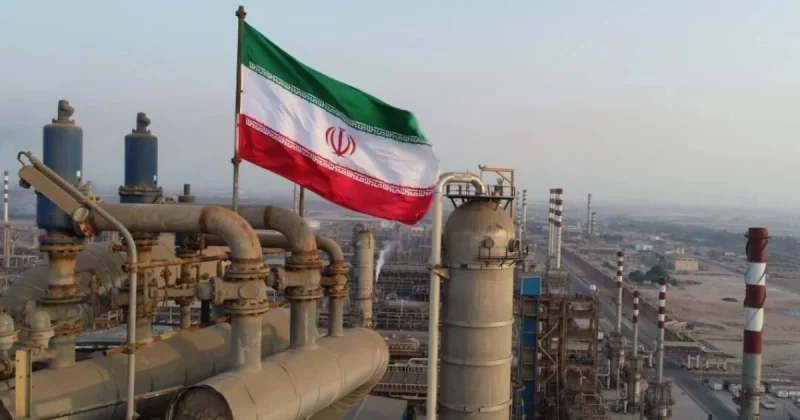
The United States has imposed sanctions on twelve entities involved in the sale of Iranian oil to China, highlighting ongoing tensions surrounding Iran's oil exports. This move underscores the US's commitment to curbing Iran's revenue sources amid heightened geopolitical concerns.
US Sanctions Target Iranian Oil Sales
The United States has taken a significant step in its ongoing efforts to restrict Iran's oil exports by imposing sanctions on twelve entities linked to the sale of Iranian oil to China. This action reflects the Biden administration's strategy to counteract Iran's attempts to circumvent international sanctions and bolster its economy through oil sales.
Details of the Sanctions
According to a statement from the U.S. Department of the Treasury, the sanctions target both Iranian and foreign entities that are believed to facilitate the sale of Iranian oil to Chinese buyers. The Treasury's Office of Foreign Assets Control (OFAC) designated these entities under the authority of Executive Order 13846, which aims to prevent Iran from accessing revenue that could be used to fund its nuclear program and other destabilizing activities in the region.
Implications for US-China Relations
This move is likely to exacerbate tensions between the United States and China, as it underscores the complexities of the U.S.-China relationship, particularly regarding energy resources and geopolitical interests. China has been one of the largest importers of Iranian oil, often ignoring U.S. sanctions in favor of its energy needs. The sanctions may force Chinese companies to reassess their dealings with Iranian oil suppliers, potentially impacting the broader energy market.
Iran's Response
In response to the sanctions, Iranian officials have condemned the U.S. actions, asserting that they are an infringement on Iran's sovereignty and economic rights. Iranian Oil Minister Javad Owji stated that Iran will continue to sell its oil and find new markets, despite the pressure from U.S. sanctions. This defiance highlights Iran's ongoing strategy to maintain its oil exports, which are crucial for its economy, despite international restrictions.
Global Oil Market Reactions
The sanctions have already begun to ripple through the global oil market, with analysts predicting potential fluctuations in oil prices. As the U.S. seeks to isolate Iran economically, the demand for Iranian oil may shift, leading to increased competition among other oil-producing nations. Countries like Saudi Arabia and Russia may see opportunities to fill the void left by Iranian oil in the Chinese market.
Future of Iranian Oil Exports
The future of Iranian oil exports remains uncertain as the U.S. continues to enforce its sanctions regime. The Biden administration has indicated that it is open to negotiations regarding Iran's nuclear program, but it remains firm on its stance against Iran's oil sales. As diplomatic efforts continue, the impact of these sanctions will likely be a focal point in discussions between the U.S., Iran, and other global powers.
Conclusion
The U.S. sanctions on twelve entities involved in the sale of Iranian oil to China mark a significant escalation in the ongoing battle over Iran's oil exports. With geopolitical tensions rising and the global oil market in flux, the implications of these sanctions will be felt far beyond the immediate parties involved. As the situation evolves, stakeholders in the energy sector and international relations will be closely monitoring developments in this complex landscape.