Unitree Robotics Faces Post-Listing Slump Amid Bubble Concerns
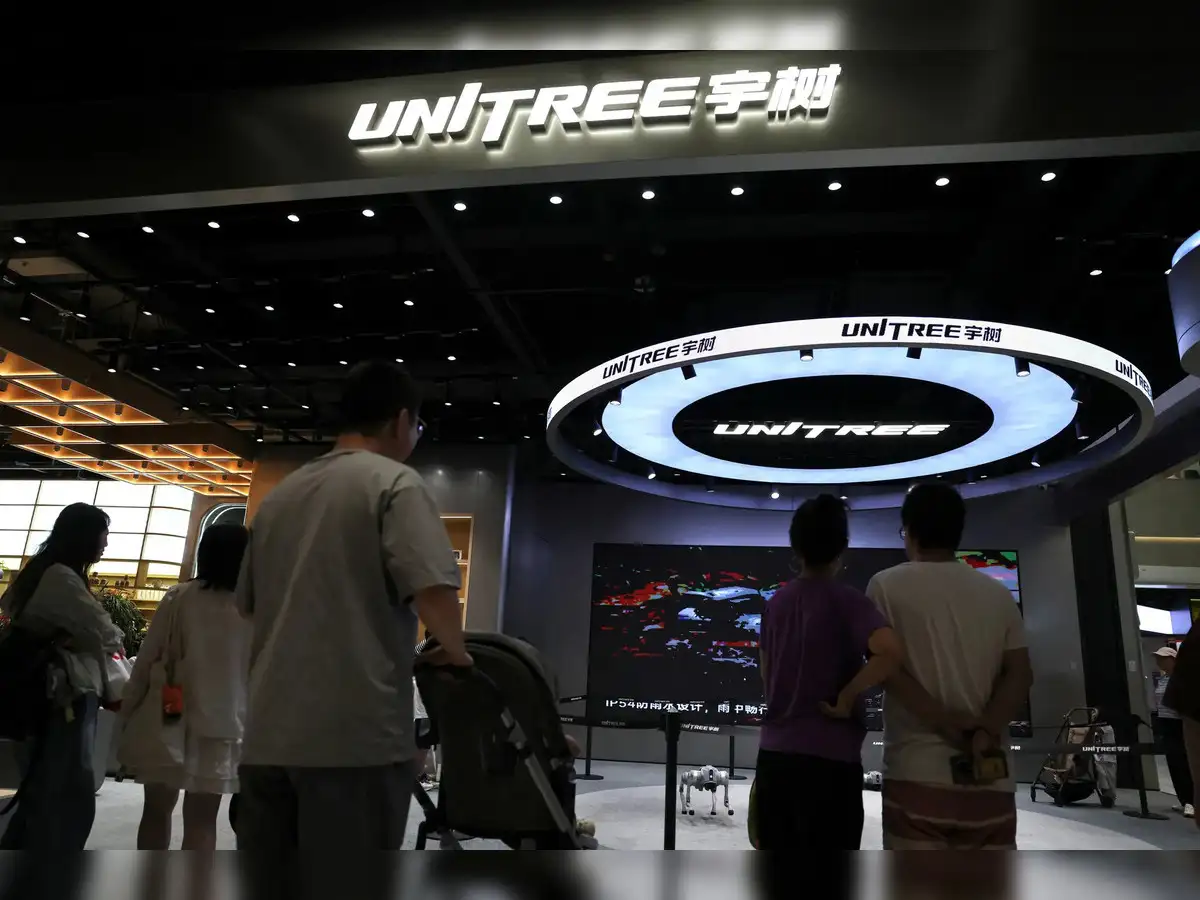
Unitree Robotics, a prominent Chinese robot manufacturer, has experienced a significant decline in its stock prices following its recent public listing. This downturn has raised alarms about potential market bubbles in the robotics sector.
Introduction
In a striking turn of events, Unitree Robotics, a leading Chinese manufacturer of robotics technology, has witnessed a sharp decline in its stock prices shortly after its public listing. This development has ignited concerns among investors and analysts about the sustainability of the robotics market, prompting discussions about the potential for a bubble in this rapidly evolving sector.
Unitree’s Market Performance
Unitree Robotics made headlines earlier this year when it successfully launched its initial public offering (IPO), attracting significant attention due to its innovative products and the growing demand for automation solutions. However, just weeks after the IPO, the company’s stock has plummeted, sparking fears that the initial excitement surrounding the listing may have been overinflated.
Factors Behind the Slump
Several factors contribute to Unitree's post-listing slump. Firstly, the overall market conditions have been volatile, with investors becoming increasingly cautious amid rising interest rates and geopolitical tensions. Additionally, the robotics industry is witnessing fierce competition, with numerous players vying for market share, which has put pressure on Unitree to maintain its growth trajectory.
Investor Sentiment and Bubble Fears
The drastic drop in Unitree's stock price has led to heightened investor anxiety. Many are questioning whether the valuations assigned to robotics companies are sustainable in the long term. Analysts warn that if the trend continues, it could indicate a broader market correction, particularly in sectors that have seen rapid growth in recent years.
Industry Outlook
Despite the current challenges, the robotics industry as a whole continues to show promise. The demand for automation solutions is on the rise, driven by advancements in artificial intelligence and machine learning. Companies across various sectors are increasingly turning to robotics to enhance efficiency and reduce labor costs. However, the path to sustained growth may require companies like Unitree to adapt quickly to changing market dynamics.
Conclusion
As Unitree Robotics navigates its post-listing challenges, the company's ability to innovate and respond to market demands will be crucial. Investors and industry observers will be closely monitoring the situation, as the outcome could have significant implications for the future of the robotics sector. Whether this slump is a temporary setback or a sign of deeper issues within the market remains to be seen, but it certainly underscores the need for caution in a rapidly evolving landscape.