Unisound Unveils U2: A Groundbreaking Native Agentic Large Model for Complex Workflows
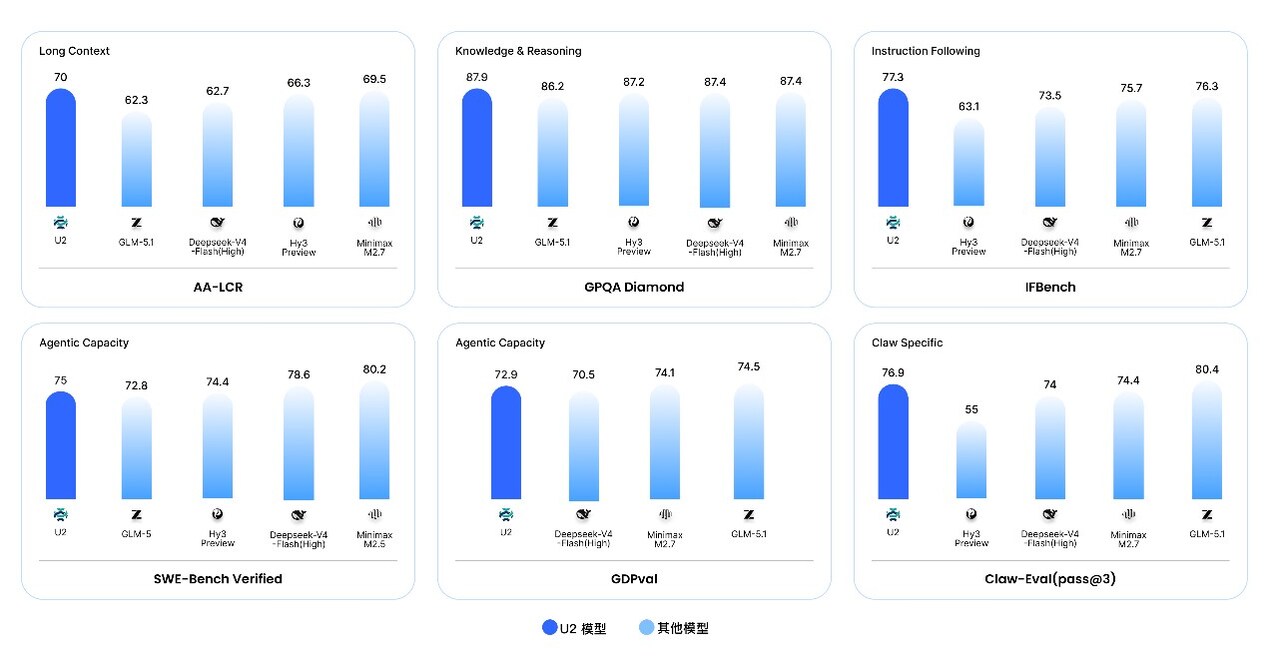
Unisound has launched U2, a sophisticated large model designed for executing complex real-world tasks autonomously. This innovative technology aims to revolutionize workflow management across various industries.
Introduction to U2
In a significant advancement for artificial intelligence, Unisound has announced the release of U2, a native agentic large model that is capable of autonomously decomposing and completing over 100 steps in complex real-world workflows. This cutting-edge technology is poised to transform how businesses manage intricate tasks, streamlining processes and enhancing productivity.
Features of U2
The U2 model is designed with a focus on execution, allowing it to handle a diverse range of workflows that require multi-step processes. By leveraging advanced algorithms and machine learning techniques, U2 can analyze tasks, break them down into manageable components, and execute them efficiently. This capability not only minimizes the need for human intervention but also reduces the potential for errors, making it a valuable asset for organizations looking to optimize their operations.
Applications Across Industries
U2's versatility makes it applicable across various sectors, including finance, healthcare, logistics, and customer service. For instance, in the finance industry, U2 can automate complex reporting tasks, allowing analysts to focus on strategic decision-making rather than manual data entry. In healthcare, it can assist in managing patient workflows, ensuring that all necessary steps are completed in a timely manner, ultimately improving patient outcomes.
Impact on Workflow Management
The introduction of U2 is expected to have a profound impact on workflow management. By automating intricate processes, businesses can achieve higher efficiency and reduce operational costs. Moreover, U2's ability to learn and adapt over time means that it can continuously improve its performance, further enhancing its value to organizations. This shift towards automation is indicative of a broader trend in the business landscape, where companies are increasingly turning to AI solutions to remain competitive.
Challenges and Considerations
While the potential benefits of U2 are significant, there are also challenges that organizations must consider when integrating such advanced technology. Issues related to data privacy, security, and the potential displacement of jobs are critical factors that need to be addressed. Companies will need to develop strategies to mitigate these risks while also ensuring that their workforce is equipped with the necessary skills to work alongside AI technologies.
Conclusion
Unisound's launch of U2 marks a pivotal moment in the evolution of AI-driven workflow management. As businesses continue to navigate the complexities of modern operations, tools like U2 offer a glimpse into the future of work—one where automation and human expertise coexist to drive innovation and efficiency. As organizations begin to adopt this technology, it will be essential to monitor its impact and adapt to the changing landscape of work.