Understanding Taiwan Independence: The Ongoing Debate and Its Implications
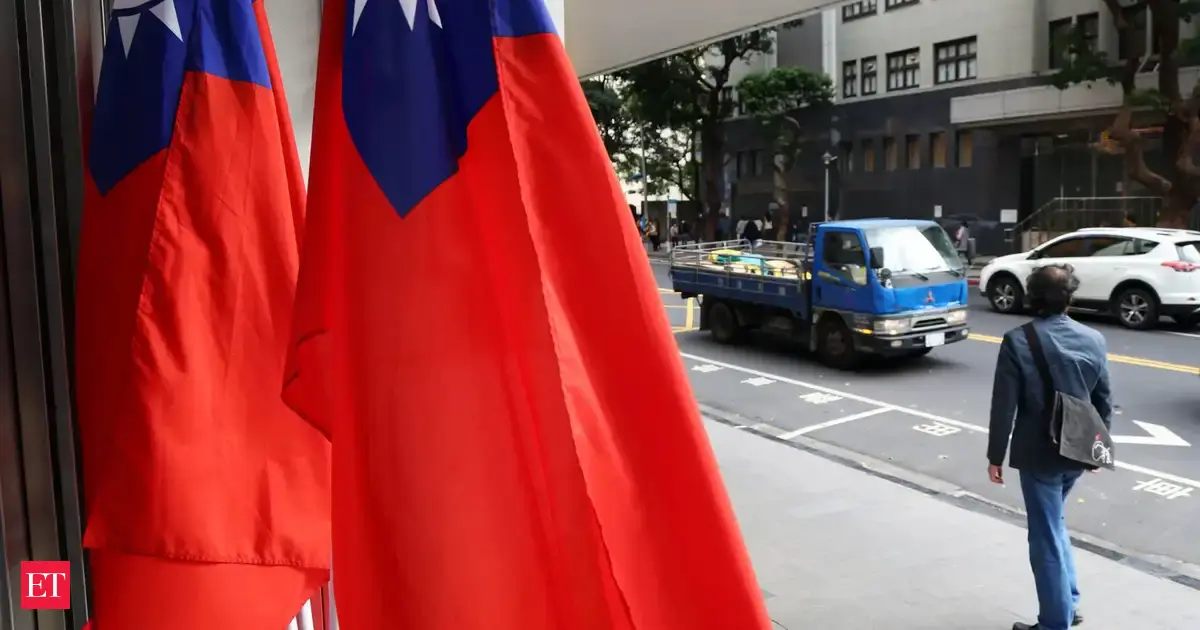
Taiwan's quest for independence remains a contentious issue, with significant implications for regional stability and international relations. This report delves into the complexities surrounding Taiwan's status and the perspectives of various stakeholders.
Introduction
As tensions continue to rise in the Asia-Pacific region, the question of Taiwan's independence has taken center stage in international discourse. While Taiwan operates as a de facto independent state, the People's Republic of China (PRC) vehemently opposes any move towards formal independence, viewing it as a threat to its sovereignty. This report aims to unravel the complexities surrounding Taiwan's independence, its current status, and the implications for regional and global politics.
The Historical Context
To understand the current situation, one must consider Taiwan's historical context. Following the Chinese Civil War in 1949, the Chinese Nationalist Party (KMT) retreated to Taiwan, establishing a separate government while the Communist Party of China took control of the mainland. Since then, Taiwan has developed its own political system, economy, and identity, leading many to view it as a separate entity from China.
Current Status of Taiwan
Today, Taiwan functions with its own government, military, and constitution. It holds democratic elections, and its citizens enjoy freedoms that are often absent in mainland China. However, the PRC has consistently maintained that Taiwan is a part of its territory and has not ruled out the use of force to achieve reunification. This stance complicates Taiwan's international relations, as many countries, including the United States, recognize the One China policy, which acknowledges the PRC's claim over Taiwan while maintaining unofficial ties with Taipei.
The Independence Movement
In recent years, the independence movement in Taiwan has gained momentum, particularly among younger generations who identify more with a distinct Taiwanese identity rather than a Chinese one. The ruling Democratic Progressive Party (DPP), which advocates for Taiwan's sovereignty, has garnered significant support. However, the party faces the challenge of balancing aspirations for independence with the need to maintain peace with China, which remains Taiwan's largest trading partner.
International Reactions
The international community remains divided on the issue of Taiwan's independence. While the United States has reiterated its commitment to Taiwan's defense and supports its participation in international organizations, it stops short of formally recognizing Taiwan as an independent state. Other countries, particularly those with close ties to China, avoid taking a definitive stance on Taiwan's status, fearing economic repercussions.
Implications for Regional Stability
The debate over Taiwan's independence has significant implications for regional stability. Increased military posturing by China, including frequent incursions into Taiwan's air defense identification zone, raises concerns about potential conflict. The U.S. has responded by enhancing its military presence in the region and conducting joint exercises with Taiwan, further straining relations between Washington and Beijing.
The Future of Taiwan Independence
The future of Taiwan's independence remains uncertain. While public sentiment in Taiwan leans towards maintaining the status quo, the PRC's aggressive stance poses a constant threat. The upcoming elections in Taiwan could reshape the political landscape, potentially altering the trajectory of the independence movement. As global dynamics shift, Taiwan's quest for recognition and autonomy will continue to be a focal point in international relations.
Conclusion
In conclusion, Taiwan's independence is a multifaceted issue that encompasses historical, political, and social dimensions. As the island navigates its identity and relationship with China, the world watches closely, aware that the outcomes could have far-reaching consequences for peace and stability in the Asia-Pacific region.