UK's Starmer Heads to China Seeking Thaw in Relations Amid Trump Tensions
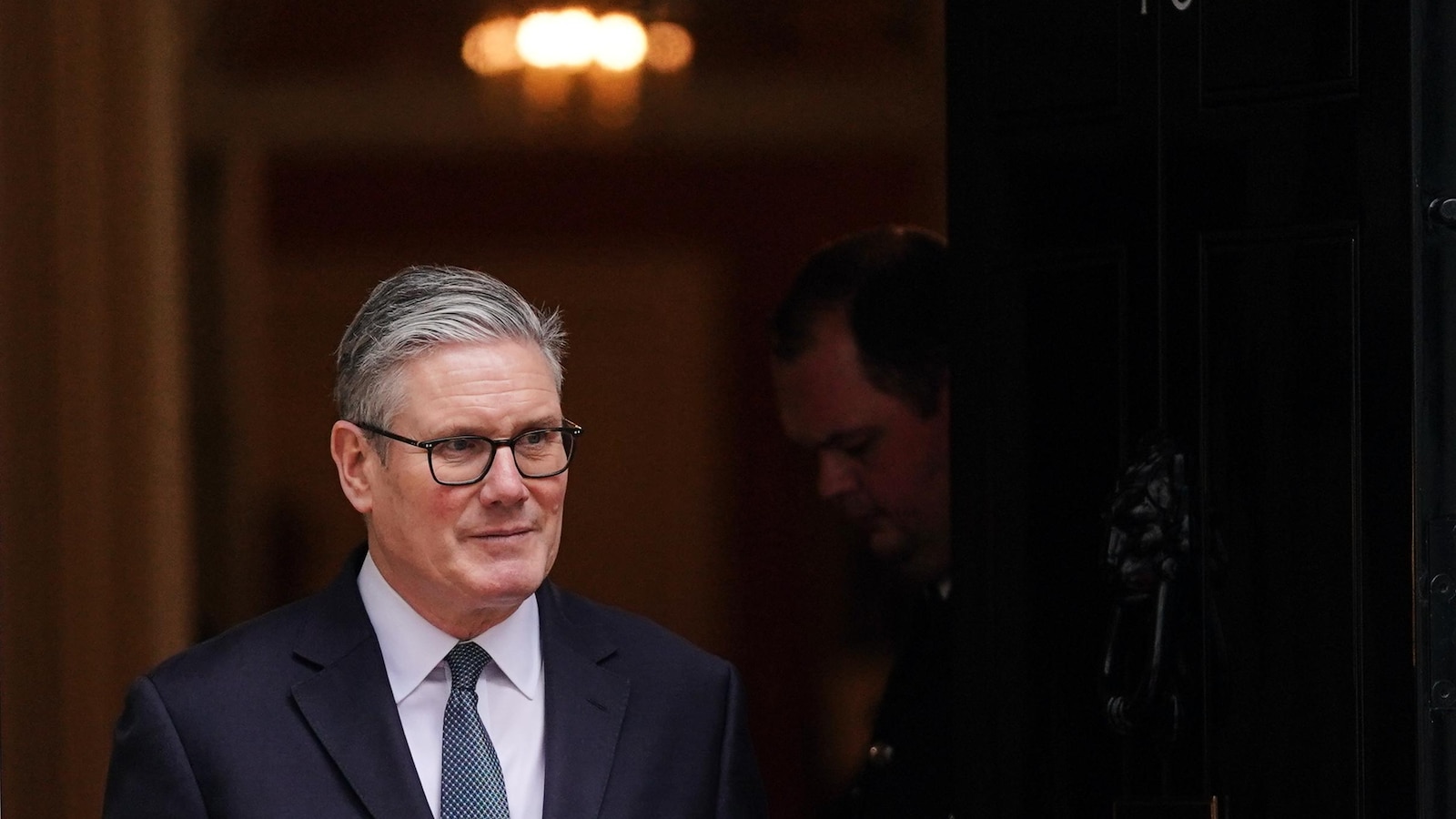
UK Labour leader Keir Starmer's visit to China aims to mend diplomatic ties and foster economic cooperation. However, his approach risks straining relations with the US, particularly under the looming shadow of Donald Trump's political ambitions.
Introduction
In a significant diplomatic move, UK Labour leader Keir Starmer is set to visit China, aiming to improve bilateral relations that have soured in recent years. This visit comes at a time when the geopolitical landscape is fraught with tensions, particularly between the West and China, and it raises questions about the future of UK-US relations, especially with former President Donald Trump eyeing a return to power.
Starmer's Objectives
Starmer's trip to China is primarily focused on fostering economic ties and addressing pressing global issues such as climate change and trade. The Labour leader has emphasized the importance of engaging with China, highlighting that the UK cannot afford to ignore one of the world's largest economies. His approach is rooted in the belief that constructive dialogue is essential for addressing mutual challenges and promoting stability.
Diplomatic Context
The backdrop of Starmer's visit is marked by a cooling of relations between the UK and China, particularly following the UK's condemnation of China's human rights record in Hong Kong and its assertive policies in the South China Sea. The UK's stance has been influenced by its close alliance with the United States, which has taken a hardline approach towards China. Starmer's visit is seen as a potential pivot from the confrontational stance adopted by the current UK government, led by Prime Minister Rishi Sunak.
Risks of a Rift with Trump
However, Starmer's outreach to China comes with significant risks, particularly regarding the UK's relationship with the United States. Donald Trump, who remains a powerful figure in American politics, has been vocal about his opposition to China and has criticized any perceived softness towards Beijing. As Trump gears up for a potential 2024 presidential run, Starmer's diplomatic overtures could be interpreted as a betrayal of the UK-US alliance, potentially alienating American support.
Economic Implications
Economically, the UK has much to gain from improved relations with China. The Chinese market represents a vast opportunity for British businesses, particularly in sectors such as technology, finance, and renewable energy. Starmer's visit is expected to include discussions on trade agreements and investment opportunities that could benefit both nations. However, any perceived leniency towards China could provoke backlash from the US, which may threaten to impose trade restrictions or tariffs on UK goods.
Public Sentiment and Political Landscape
Public sentiment in the UK regarding China is mixed. While there is recognition of the economic benefits of engaging with China, concerns about human rights abuses and national security remain prevalent. Starmer's Labour Party must navigate these complex sentiments carefully, ensuring that any engagement with China is framed within a context of accountability and ethical considerations.
Conclusion
As Keir Starmer embarks on this pivotal diplomatic mission, the outcome of his visit to China could have far-reaching implications for the UK's foreign policy and its relationship with the United States. Balancing the need for economic cooperation with the demands of political allies will be a delicate task. The coming days will reveal whether Starmer's efforts to thaw relations with China will be met with success or if they will deepen the rift with Trump and his supporters.