U.S. and Australia Investigate F-35 Spare Parts Diverted to Hong Kong
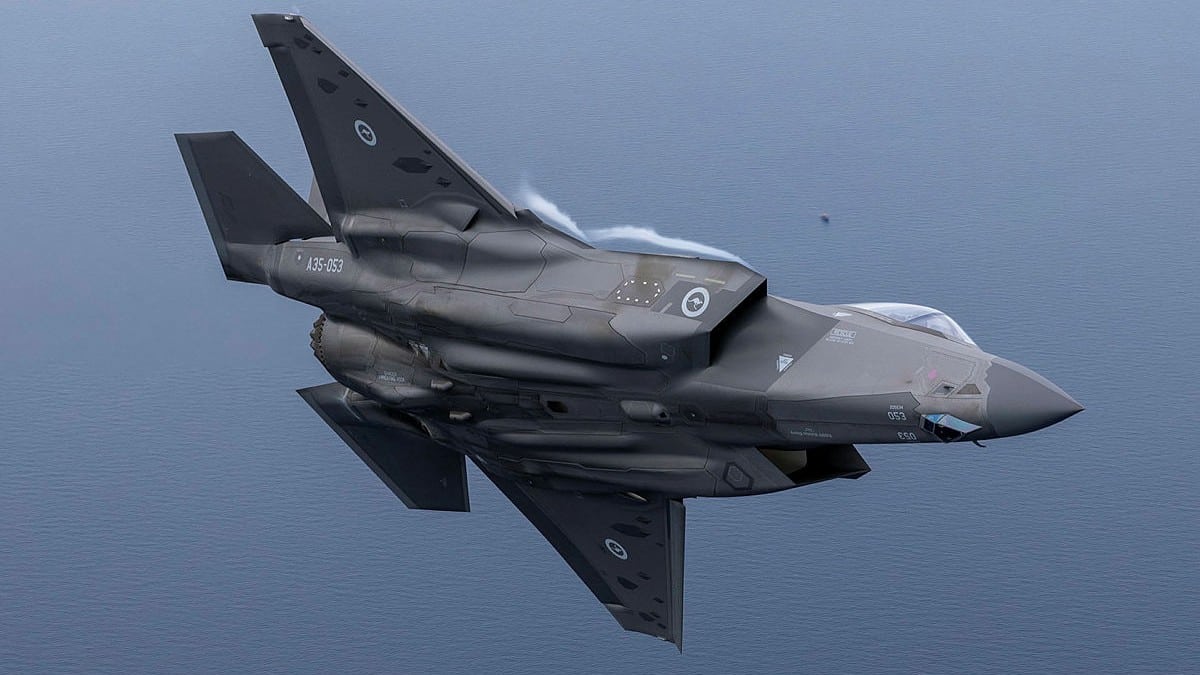
The diversion of F-35 spare parts to Hong Kong has triggered investigations by U.S. and Australian authorities, raising concerns over potential security breaches. This incident highlights the complexities of international defense supply chains and geopolitical tensions in the region.
Introduction
The recent diversion of F-35 spare parts to Hong Kong has sparked significant concern among U.S. and Australian defense officials, prompting investigations into the circumstances surrounding this alarming breach of protocol. The F-35 Joint Strike Fighter program, a cornerstone of modern military aviation, is designed to maintain stringent security measures around its supply chain, making this incident particularly troubling.
Background on the F-35 Program
The F-35 program, developed by Lockheed Martin, is a multinational effort involving several partner nations, including the United States, Australia, and the United Kingdom. The aircraft is equipped with advanced stealth technology and sophisticated combat capabilities, making it a key asset for modern air forces. Given its strategic importance, the integrity of its supply chain is paramount, and any diversion of parts can pose serious risks to national security.
The Incident
Reports indicate that a shipment of spare parts intended for the F-35 program was redirected to Hong Kong, raising alarms among U.S. and Australian defense officials. The specifics of how the diversion occurred remain unclear, but initial investigations suggest potential lapses in oversight and compliance with export regulations. The U.S. Department of Defense (DoD) and the Australian Department of Defence are currently collaborating to ascertain the full extent of the breach and its implications.
Security Implications
The diversion of F-35 parts to Hong Kong poses several security risks, particularly in light of the ongoing tensions between the U.S. and China. The potential for these advanced military components to fall into the wrong hands could compromise the integrity of the F-35 program and give adversaries insights into its capabilities. The incident underscores the vulnerabilities in international defense supply chains, especially in regions where geopolitical tensions are high.
Responses from Authorities
In response to the incident, U.S. and Australian officials have expressed their commitment to thoroughly investigating the matter. The DoD has emphasized the importance of safeguarding sensitive military technology and ensuring that strict export controls are adhered to. Australian Defence Minister Richard Marles stated, "We take these matters very seriously and will work closely with our allies to ensure that such incidents do not occur in the future."
Potential Consequences
The ramifications of this incident could extend beyond immediate security concerns. It may lead to a reevaluation of existing protocols regarding the export and handling of military components. Both the U.S. and Australia may seek to implement more stringent measures to prevent similar occurrences, which could impact their defense relationships with other nations involved in the F-35 program.
Conclusion
The diversion of F-35 spare parts to Hong Kong has raised significant alarms within the defense communities of the U.S. and Australia. As investigations unfold, the incident highlights the critical need for robust oversight in international defense supply chains, particularly in an era marked by increasing geopolitical complexities. The outcome of these inquiries will likely shape future policies and practices related to military exports and international collaboration in defense technology.