Typhoon Bavi Triggers Severe Flooding and Evacuations in Mainland China
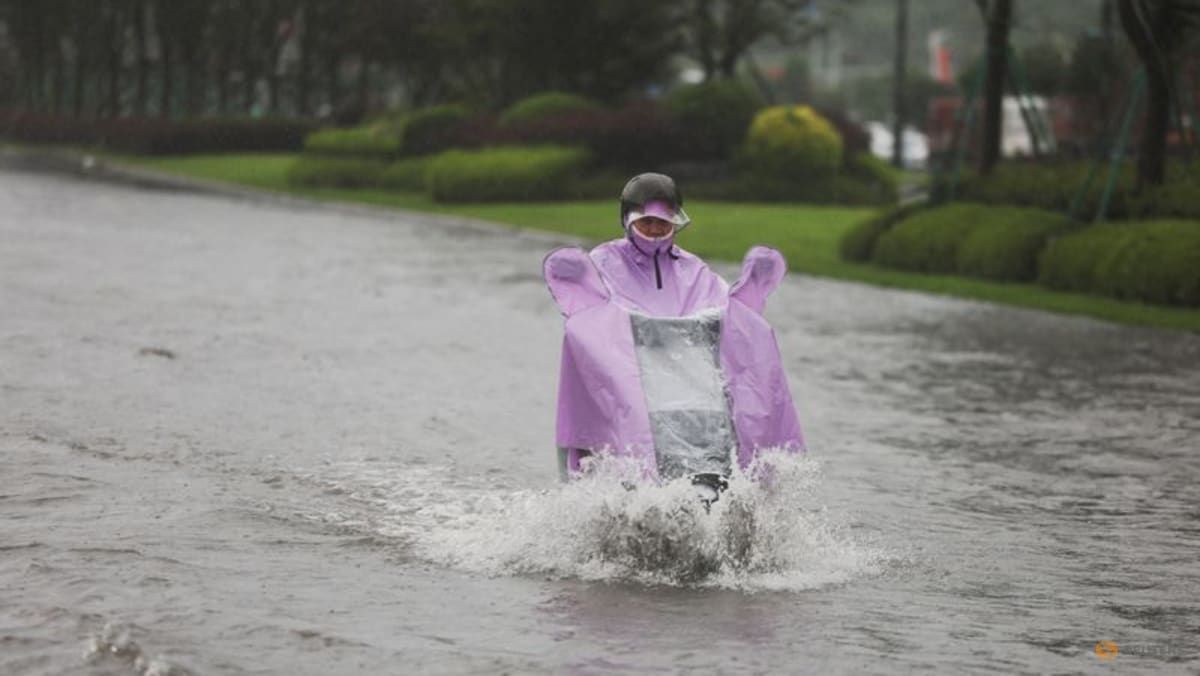
Typhoon Bavi has caused widespread flooding across several provinces in Mainland China, leading to the evacuation of over 260,000 residents. Authorities are on high alert as the storm continues to impact the region with heavy rainfall and strong winds.
Severe Weather Conditions Prompt Urgent Evacuations
As Typhoon Bavi barrels through Mainland China, authorities have moved swiftly to evacuate more than 260,000 residents from affected areas. The storm, which made landfall earlier this week, has brought with it torrential rains and strong winds, resulting in severe flooding across several provinces, including Guangdong and Fujian.
Impact on Infrastructure and Daily Life
The relentless downpour has led to significant disruptions in transportation, with numerous roads submerged and rail services suspended. In urban areas, floodwaters have inundated homes and businesses, forcing many to seek shelter in temporary evacuation centers. Local governments are working tirelessly to provide assistance to those displaced, distributing food, water, and medical supplies to those in need.
Government Response and Preparedness
In response to the escalating situation, the Chinese government has activated emergency protocols. Rescue teams have been deployed to the hardest-hit regions, where they are conducting search and rescue operations. Meteorological agencies have issued warnings, urging residents to stay indoors and avoid unnecessary travel. The National Meteorological Center has also predicted that the storm will continue to bring heavy rainfall in the coming days, raising concerns about further flooding and landslides.
Community Resilience Amidst Adversity
Despite the chaos, stories of community resilience have emerged. Neighbors are banding together to help each other, sharing resources and providing support to those most affected. Local volunteers have organized efforts to collect donations and provide aid to families who have lost their homes. The spirit of solidarity is evident as communities come together to face the challenges posed by Typhoon Bavi.
Looking Ahead: Long-term Implications
As the storm continues its path across the region, experts are assessing the long-term implications of such severe weather events. Climate change has been linked to an increase in the frequency and intensity of typhoons, prompting discussions on the need for improved infrastructure and disaster preparedness. Urban planners and environmentalists are advocating for sustainable solutions to mitigate the impact of future storms and protect vulnerable communities.
Conclusion: A Call for Vigilance
As Typhoon Bavi wreaks havoc across Mainland China, the immediate focus remains on ensuring the safety and well-being of those affected. Authorities are urging residents to remain vigilant and heed warnings from meteorological services. The situation continues to evolve, and updates will be provided as more information becomes available. The resilience of the affected communities, combined with a robust government response, will be crucial in navigating the aftermath of this natural disaster.