Tung Chee-hwa, Hong Kong's First Post-Colonial Leader, Passes Away at 89
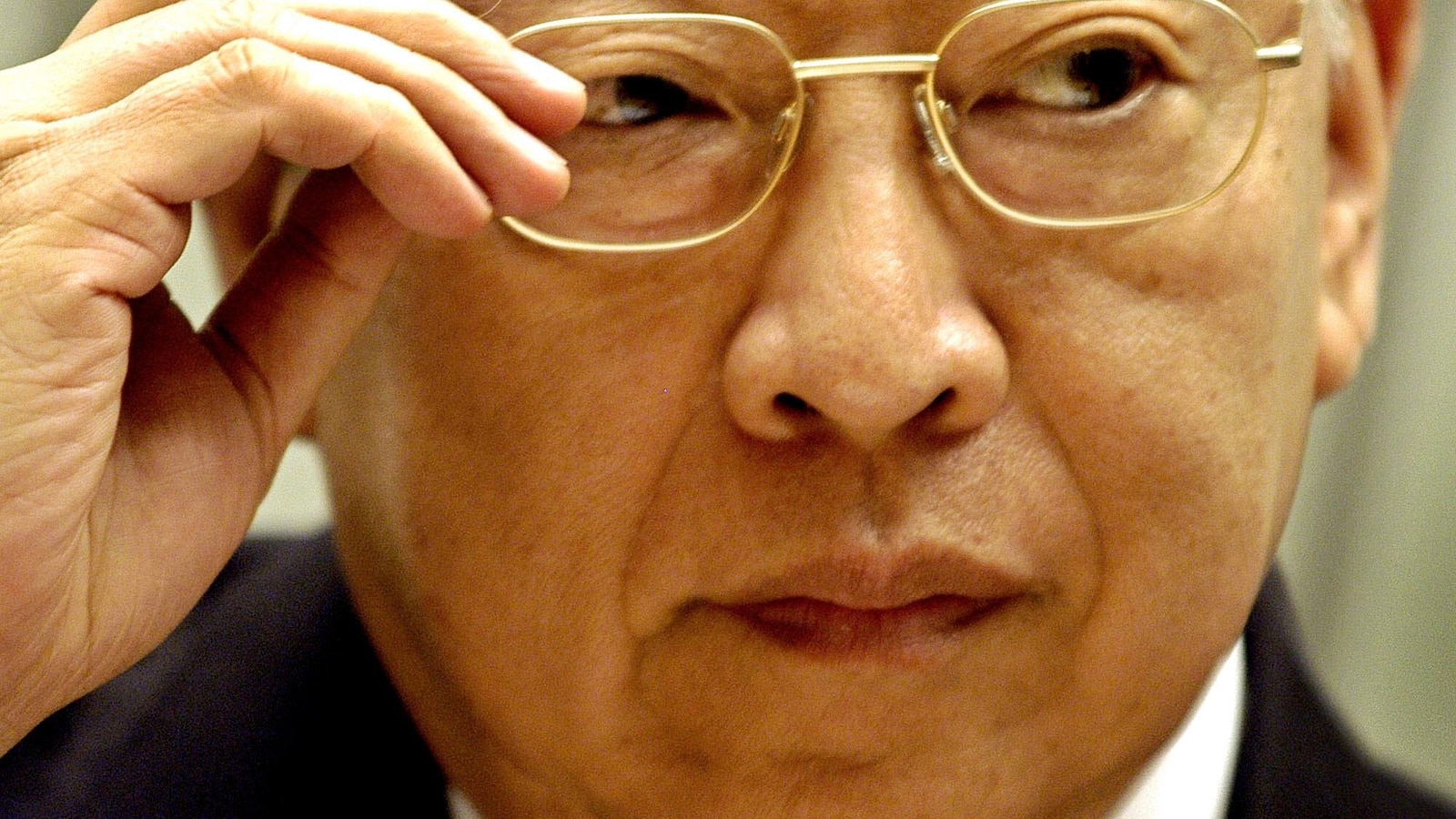
Tung Chee-hwa, who served as Hong Kong's first Chief Executive after the handover from British rule, has died at the age of 89. His leadership was marked by significant political and economic changes in the region during a pivotal time in its history.
Hong Kong Mourns the Loss of a Pivotal Leader
Tung Chee-hwa, Hong Kong's first Chief Executive following the 1997 handover from British rule, has passed away at the age of 89. His death marks the end of an era for a city that has undergone significant transformations since its return to Chinese sovereignty.
A Life Dedicated to Public Service
Tung was born on July 7, 1937, in Shanghai, China, and later moved to Hong Kong. He graduated from the University of Washington in the United States, where he studied engineering. His career began in the shipping industry, where he founded the Orient Overseas Container Line, which became one of the largest shipping companies in the world. His business acumen and leadership skills eventually led him into the political arena.
Chief Executive During a Time of Change
In 1997, Tung was appointed as the first Chief Executive of the Hong Kong Special Administrative Region (HKSAR) under the principle of 'one country, two systems.' His tenure was marked by both economic growth and challenges, including the Asian financial crisis in 1998, which tested his leadership and the resilience of Hong Kong's economy.
Economic Policies and Controversies
During his time in office, Tung implemented various policies aimed at enhancing Hong Kong's competitiveness and addressing social issues. He focused on infrastructure development, including the construction of the Hong Kong International Airport and the Hong Kong-Zhuhai-Macao Bridge. However, his administration faced criticism for its handling of the 2003 SARS outbreak and the subsequent economic downturn, which led to widespread public discontent.
Legacy and Influence
Tung's legacy is complex; while he is credited with laying the groundwork for Hong Kong's post-colonial development, his tenure also saw increasing tensions between the local population and the central government in Beijing. His attempts to introduce national security legislation in 2003 sparked massive protests, leading to his eventual resignation in 2005.
Tributes Pour In
Following the announcement of his passing, tributes have poured in from various sectors of society. Current Chief Executive John Lee expressed his condolences, stating that Tung's contributions to Hong Kong's development were invaluable. Many political leaders and citizens alike reflected on the impact of Tung's leadership during a transformative period in the city's history.
Reflections on a Transformative Era
As Hong Kong navigates its current challenges, including ongoing political unrest and the effects of the COVID-19 pandemic, Tung's legacy serves as a reminder of the complexities of governance in a unique geopolitical context. His vision for a prosperous and stable Hong Kong continues to resonate, even as the city faces unprecedented changes.
Conclusion
Tung Chee-hwa's passing marks a significant moment in Hong Kong's history. As the city reflects on his contributions and the challenges that lie ahead, it is clear that his influence will be felt for generations to come.