Trump Secures Strategic Victory as Panama Court Removes Hong Kong Firm from Canal Ports
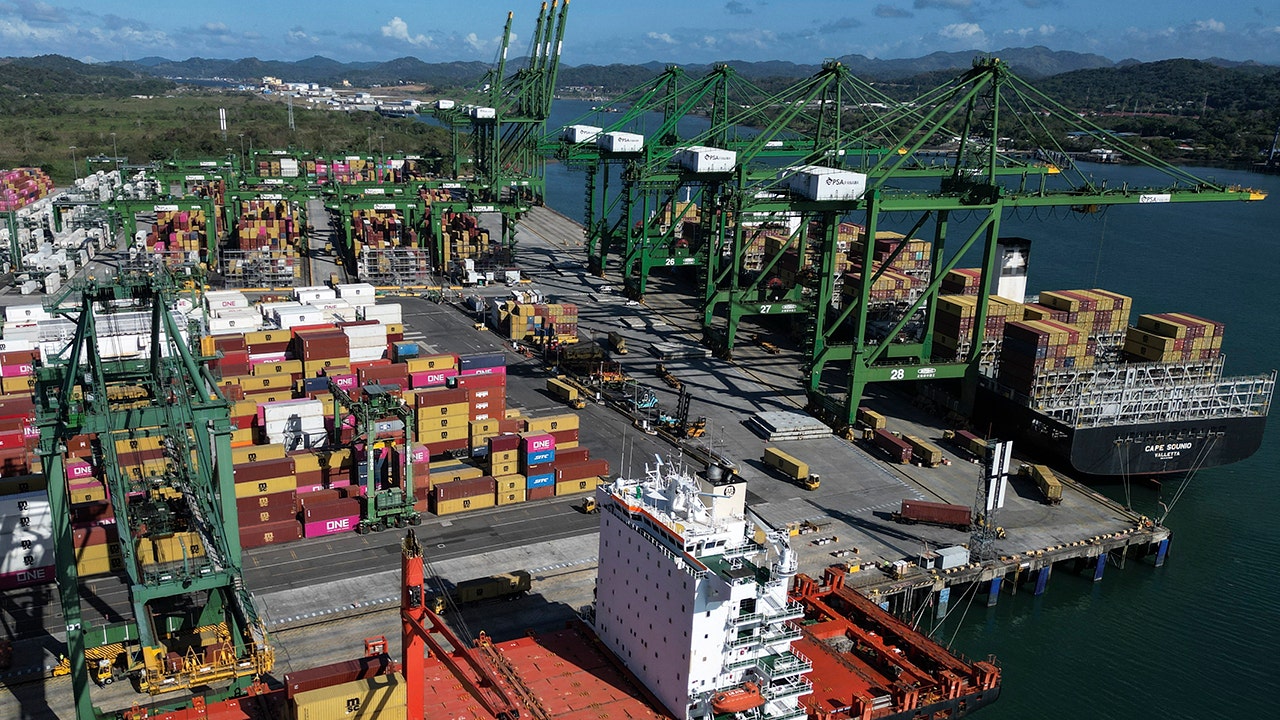
In a significant legal ruling, a Panama court has ordered the removal of a Hong Kong-based firm from managing key canal ports, a decision seen as a strategic win for former President Donald Trump. This development could reshape international shipping dynamics and influence U.S.-China relations.
Introduction
In a landmark decision that reverberates across international trade and geopolitics, a Panama court has ruled to oust a Hong Kong-based company from its management of crucial canal ports. This ruling is viewed as a strategic win for former President Donald Trump, who has long criticized foreign control over vital infrastructure.
The Court's Decision
The court's ruling comes amid rising tensions between the United States and China, with the Hong Kong firm, which had been managing the ports, now facing an abrupt end to its operations. The decision was influenced by concerns over national security and the potential for foreign influence in one of the world's most critical shipping lanes.
Background on the Panama Canal
The Panama Canal is a key conduit for global maritime trade, allowing ships to transit between the Atlantic and Pacific Oceans without the lengthy journey around South America. Control over the canal has been a contentious issue since its handover from the United States to Panama in 1999, with various international firms vying for management contracts.
Trump's Involvement
Former President Trump has been vocal about his opposition to foreign entities operating within U.S. interests, particularly those linked to China. His administration had previously taken steps to scrutinize and limit Chinese investments in American infrastructure, arguing that such control posed risks to national security. This recent court ruling aligns with Trump's broader agenda of prioritizing American interests in global trade.
Implications for U.S.-China Relations
The ousting of the Hong Kong firm could have significant implications for U.S.-China relations. As tensions between the two nations continue to escalate, this ruling may be interpreted as a signal of Panama's alignment with U.S. interests, potentially leading to increased scrutiny of Chinese investments in Latin America and beyond. Analysts suggest that this move could also encourage other countries to reconsider their partnerships with Chinese firms in strategic sectors.
Reactions from Stakeholders
Reactions to the ruling have been mixed. Supporters of the decision argue that it safeguards national interests and enhances Panama's sovereignty over its critical infrastructure. Conversely, critics warn that this could lead to economic repercussions, including strained relations with China, which has been a significant investor in the region.
Future of Canal Management
With the Hong Kong firm removed, Panama will need to quickly identify a new operator for the canal ports. This presents both challenges and opportunities for local and international firms looking to step in. The decision could open the door for U.S.-based companies to take a more prominent role in managing the canal, aligning with Trump's vision of bolstering American influence in global trade.
Conclusion
The Panama court's decision to oust the Hong Kong firm marks a pivotal moment in international trade and geopolitics. As the world watches how this unfolds, the implications for U.S.-China relations and the future of the Panama Canal will be closely scrutinized. This ruling not only underscores the ongoing tensions between the two superpowers but also highlights the importance of national security in the management of critical infrastructure.