Trump's Venezuela Raid: Implications for China's Influence in South America
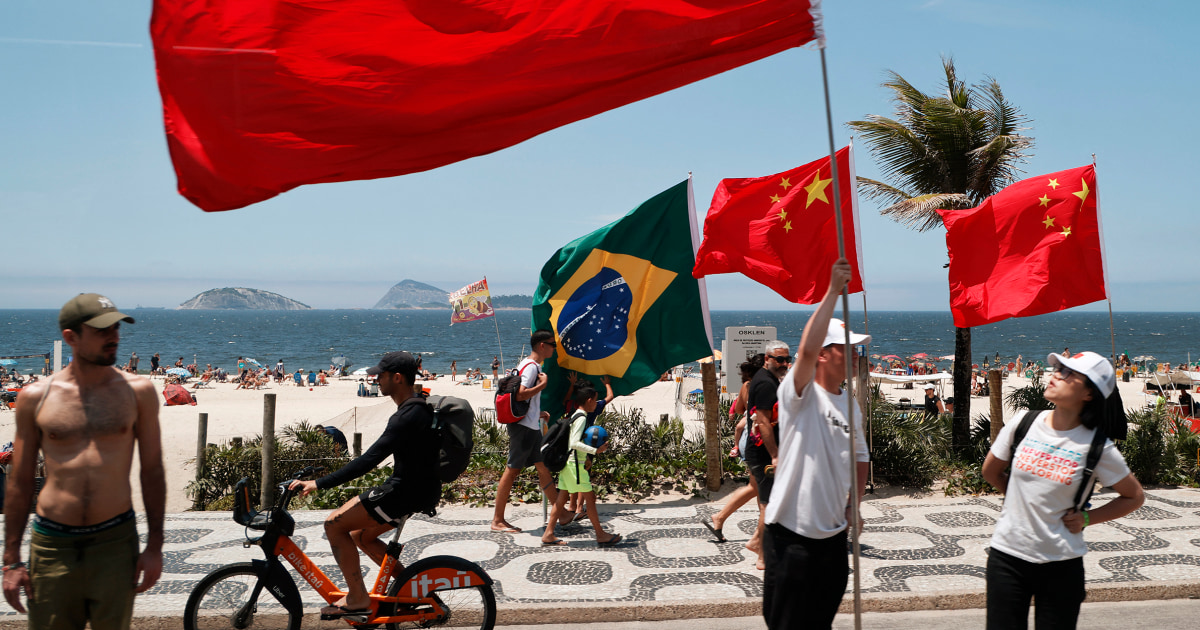
The recent raid by U.S. forces in Venezuela raises questions about the effectiveness of American intervention in curbing China's growing influence in South America. Experts suggest that despite military actions, China's economic ties in the region remain robust and resilient.
Introduction
The geopolitical landscape of South America has been increasingly influenced by foreign powers, particularly China and the United States. The recent raid by U.S. forces in Venezuela, aimed at disrupting the operations of the Maduro regime, has sparked discussions regarding its potential effectiveness in countering China's expanding influence in the region.
The Context of the Raid
In a bold move, the Trump administration authorized a military operation targeting key figures within the Venezuelan government, which has been accused of human rights violations and corruption. This action is part of a broader strategy to restore democracy in Venezuela and curb the influence of foreign adversaries, particularly China, which has been deepening its economic and political ties with the Maduro regime.
China's Growing Presence in Venezuela
China's involvement in Venezuela has been significant over the past decade, with billions of dollars in investments in the oil sector and infrastructure projects. The Chinese government has provided loans and financial support to the Venezuelan regime, which has helped sustain its grip on power despite international sanctions and economic turmoil. This relationship has raised concerns in Washington, prompting the U.S. to take more aggressive measures to counteract China's influence.
Potential Impact of the Raid
While the raid may have immediate tactical implications, experts argue that it is unlikely to significantly alter the strategic landscape in South America. China's economic ties with Venezuela are deeply entrenched, and the Maduro regime has shown resilience in the face of external pressures. Analysts believe that military actions may not be sufficient to dismantle the complex web of relationships that China has built in the region.
Economic Resilience of China's Influence
China's approach in Venezuela has been characterized by a long-term investment strategy that has allowed it to weather political storms. Even as the U.S. increases military pressure, China's economic footprint continues to grow, with Chinese companies involved in various sectors, including energy, mining, and telecommunications. This economic resilience poses a challenge for U.S. efforts to isolate the Maduro regime.
Regional Reactions
Reactions to the U.S. raid have been mixed across South America. Some countries have expressed support for U.S. efforts to promote democracy, while others have criticized the interventionist approach, viewing it as an infringement on national sovereignty. This division reflects the broader geopolitical struggle between the U.S. and China for influence in the region.
Looking Ahead
As the U.S. continues to grapple with its strategy in Venezuela, the question remains whether military intervention can effectively counter China's growing presence in South America. Experts suggest that a multifaceted approach, including diplomatic engagement and economic partnerships, may be necessary to address the challenges posed by China's influence.
Conclusion
The recent U.S. raid in Venezuela highlights the complexities of international relations in South America, particularly in the context of U.S.-China competition. While military action may disrupt certain operations, the long-term implications for China's influence in the region remain significant. As both powers vie for dominance, the future of Venezuela and its relationship with these global giants will continue to evolve.