Trump's Speech Fuels Dollar Gains Amid Uncertainty Over Iran Ceasefire
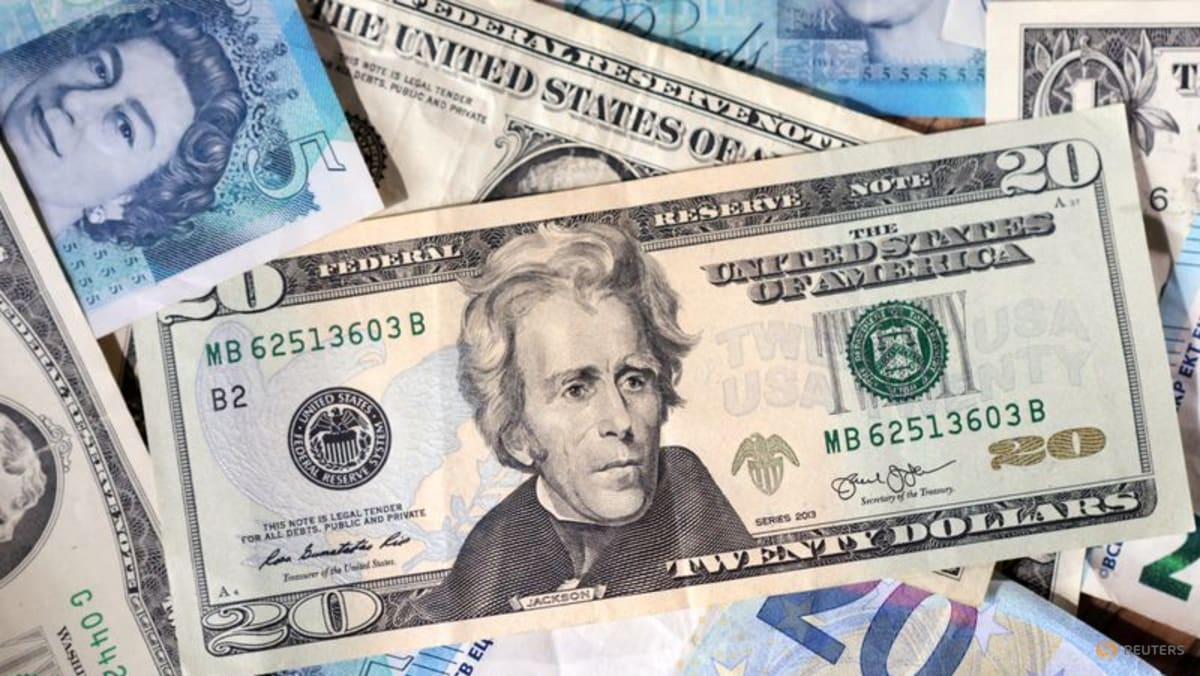
In a recent address, President Trump failed to outline a clear timeline for a ceasefire with Iran, leading to a surge in the dollar's value. The speech, which included vows for more military strikes, has heightened tensions in the Middle East and impacted global markets.
Trump's Address Leaves Markets on Edge
In a pivotal speech delivered on Wednesday, President Donald Trump refrained from providing a definitive timeline for a ceasefire with Iran, causing the U.S. dollar to gain traction against other currencies. The address, which was marked by a commitment to continue military operations against Iranian targets, has left investors and analysts grappling with the implications for both the U.S. economy and international relations.
Dollar Strengthens Amid Geopolitical Tensions
The dollar's rise can be attributed to the uncertainty surrounding the U.S. approach to Iran. Following Trump's speech, the currency experienced an uptick as traders reacted to the potential for prolonged conflict in the Middle East. The dollar index, which measures the currency against a basket of other major currencies, showed a noticeable increase, reflecting a flight to safety amid geopolitical instability.
Continued Military Engagement
During his address, Trump made it clear that the U.S. would not back down from its military commitments in the region. He vowed to take further action against Iran, stating, "We will continue to strike back and defend our interests and our allies." This declaration has raised concerns about the potential for escalation, as well as the impact on oil prices and global markets.
Market Reactions and Economic Implications
Financial analysts are closely monitoring the situation, as the prospect of sustained military engagement could lead to increased volatility in oil markets and other commodities. Oil prices have already shown signs of fluctuation, with Brent crude rising in response to the heightened tensions. Investors are wary of how prolonged conflict could disrupt supply chains and impact global economic growth.
International Responses
Global leaders have expressed concern over Trump's aggressive stance towards Iran. European allies, in particular, are apprehensive about the potential for further destabilization in the region. Many countries are calling for diplomatic solutions rather than military action, emphasizing the need for dialogue to prevent a broader conflict.
Public Opinion and Domestic Impact
Back home, Trump's speech has elicited mixed reactions from the American public. While some support a strong military response, others are wary of the implications of continued conflict. Polls indicate that a significant portion of the population favors diplomatic negotiations over military intervention, highlighting a divide in public sentiment regarding U.S. foreign policy.
Looking Ahead
As the situation unfolds, the international community will be watching closely to see how the U.S. navigates its relationship with Iran. The lack of a clear ceasefire timeline raises questions about future military engagements and their potential impact on global stability. For now, the dollar remains strong, but the long-term economic consequences of Trump's policies remain uncertain.
Conclusion
In conclusion, President Trump's recent speech has not only strengthened the dollar but also heightened tensions in the Middle East. As the world awaits further developments, the implications of U.S. military strategy on both the economy and international relations will continue to be a focal point for analysts and policymakers alike.