Trump's China Trip: A Crucial Summit Amid Rising Tensions
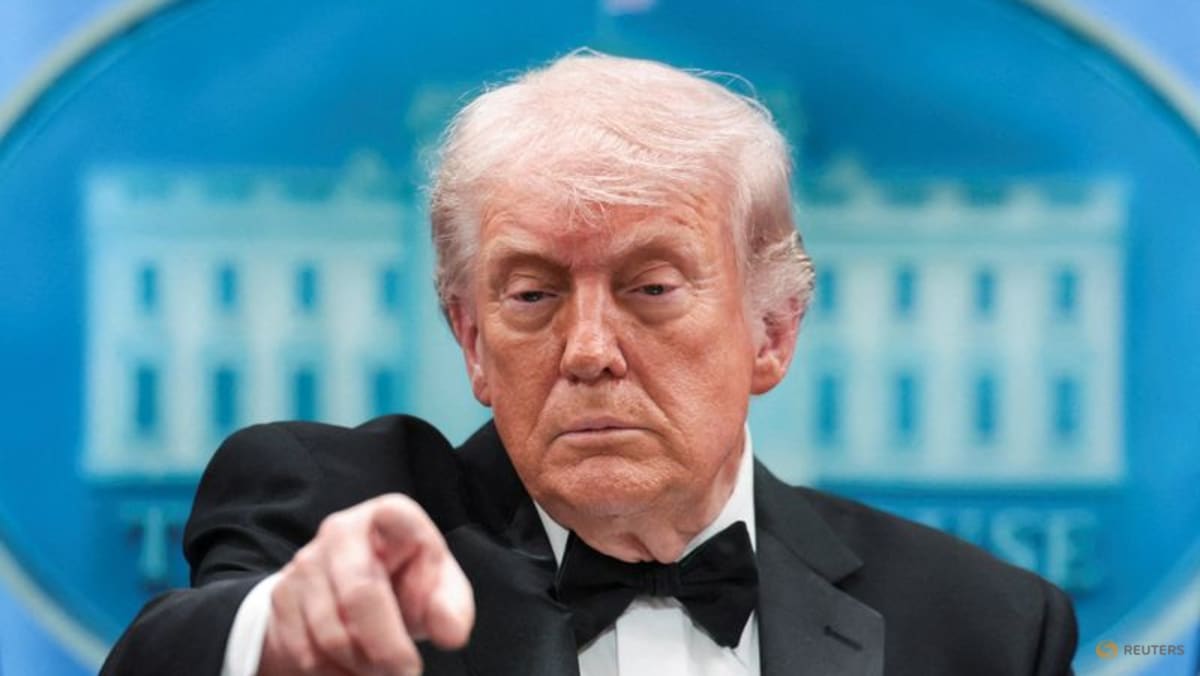
Former President Donald Trump remains committed to his upcoming trip to China, emphasizing the importance of dialogue with global leaders. Analysts highlight the summit as a pivotal opportunity to manage escalating geopolitical risks.
Trump's China Trip: A Crucial Summit Amid Rising Tensions
Former President Donald Trump has reaffirmed his intention to proceed with his planned trip to China, a decision that comes at a time of heightened geopolitical tensions between the two nations. As the world watches closely, analysts are emphasizing the importance of this summit, suggesting it could serve as a critical platform for managing risks and fostering dialogue between the U.S. and China.
Despite ongoing controversies surrounding his administration's policies and the broader implications of U.S.-China relations, Trump insists that maintaining open lines of communication is essential. His upcoming visit is expected to focus on several key issues, including trade, security, and climate change, all of which have been points of contention between the two powers.
Importance of Dialogue
Experts argue that the summit could be a significant opportunity for both nations to address their differences directly. With tensions flaring over issues such as Taiwan, the South China Sea, and human rights concerns, the need for dialogue has never been more pressing. Analysts note that Trump's approach to China has evolved over time, moving from confrontation to a more diplomatic stance, especially in light of the complex global landscape.
“This summit is crucial not just for the U.S. and China, but for global stability,” said Dr. Emily Chen, a political analyst specializing in U.S.-China relations. “Both leaders need to come to the table to discuss their respective concerns and seek common ground.”
Geopolitical Context
The backdrop of Trump's visit includes a series of escalating tensions, particularly regarding Taiwan, which China views as a breakaway province. The U.S. has maintained a policy of strategic ambiguity, supporting Taiwan's self-defense capabilities while officially recognizing the One China policy. Recent military exercises by China near Taiwan have raised alarms in Washington, prompting calls for stronger U.S. support for the island.
In addition to Taiwan, trade relations remain a significant concern. The trade war initiated during Trump's presidency has left lasting impacts, with tariffs still affecting a wide range of goods. As both nations grapple with economic recovery post-pandemic, discussions surrounding trade policies are expected to be a focal point of the summit.
Climate Change and Global Cooperation
Another critical area of discussion will likely be climate change. Both the U.S. and China are among the largest emitters of greenhouse gases, making their cooperation essential for global efforts to combat climate change. With the upcoming COP28 climate conference on the horizon, the summit could set the stage for collaborative initiatives aimed at reducing emissions and promoting sustainable practices.
“Climate change is a global challenge that requires a united front,” said Dr. Mark Liu, an environmental policy expert. “Both countries must work together to lead the way in addressing this crisis.”
Looking Ahead
As Trump prepares for his trip, the international community is keenly observing how this summit will unfold. The outcomes could have far-reaching implications not only for U.S.-China relations but also for global geopolitics as a whole. With many uncertainties ahead, the importance of diplomacy and dialogue cannot be overstated.
In conclusion, Trump's commitment to his China trip signals a willingness to engage with one of the most significant players on the global stage. As leaders prepare to meet, the world waits to see if this summit will pave the way for a more stable and cooperative future between the U.S. and China.