Trump's China Summit Fails to Yield Progress on Jimmy Lai's Release
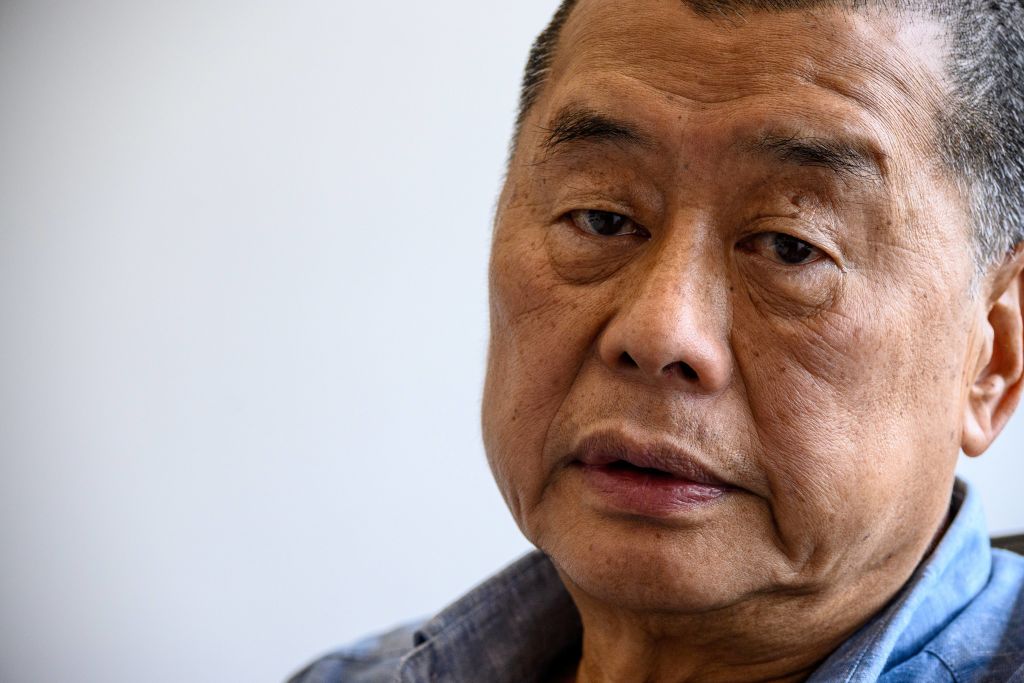
Former President Donald Trump's recent summit with Chinese officials did not result in any significant breakthroughs regarding the release of Hong Kong media tycoon Jimmy Lai. The meeting highlighted ongoing tensions between the U.S. and China over human rights issues and political freedoms in Hong Kong.
Trump's China Summit Fails to Yield Progress on Jimmy Lai's Release
In a much-anticipated summit between former President Donald Trump and Chinese officials, discussions surrounding the release of imprisoned Hong Kong media mogul Jimmy Lai ended without any substantial breakthroughs. Lai, a prominent critic of the Chinese government and founder of the pro-democracy newspaper Apple Daily, has been a focal point in the ongoing discourse regarding human rights and freedom of the press in Hong Kong.
The summit, which took place in Beijing, aimed to address various pressing issues between the two nations, including trade relations and geopolitical tensions. However, despite the high stakes, the matter of Lai's imprisonment was notably sidelined, reflecting the complexities of U.S.-China relations and the delicate balance of political negotiations.
Jimmy Lai, who was arrested in August 2020 under Hong Kong's controversial national security law, has been a symbol of the fight for democratic freedoms in the region. His case has drawn international condemnation and has become emblematic of the broader crackdown on dissent in Hong Kong. Lai's supporters argue that his imprisonment is politically motivated, aimed at silencing voices that oppose the Chinese Communist Party's increasing grip on the territory.
During the summit, Trump reportedly raised the issue of Lai's detention, urging Chinese officials to consider his release as a gesture of goodwill. However, Chinese representatives responded with a firm stance, reiterating that Lai's case is a matter of domestic law and insisting that foreign interference in China's judicial processes would not be tolerated. This exchange underscores the growing rift between the U.S. and China, particularly regarding human rights issues.
The failure to make progress on Lai's release is indicative of the broader challenges facing U.S.-China relations. The two nations have been at odds over a range of issues, from trade tariffs to military posturing in the South China Sea. The lack of resolution on human rights matters, particularly in Hong Kong, continues to strain diplomatic ties, with both sides remaining entrenched in their positions.
Critics of the Chinese government have voiced their disappointment over the outcome of the summit, emphasizing that the international community must not turn a blind eye to the deteriorating situation in Hong Kong. Human rights organizations have called for increased pressure on Beijing to release political prisoners and restore freedoms that have been eroded since the implementation of the national security law.
In the wake of the summit, Lai's family and supporters have expressed their concern for his well-being, as he remains incarcerated under harsh conditions. They continue to advocate for his release, arguing that his imprisonment is a violation of fundamental human rights and freedoms. The international community, including various governments and NGOs, has been urged to take a more active role in pushing for Lai's freedom and addressing the broader human rights crisis in Hong Kong.
As the geopolitical landscape continues to evolve, the implications of this summit extend beyond the immediate issue of Lai's release. It reflects the ongoing struggle for democracy and human rights in Hong Kong, as well as the challenges faced by international leaders in addressing these critical issues in their diplomatic engagements with China.
Looking ahead, the situation remains precarious, with many observers questioning whether future negotiations will yield any more favorable outcomes for those advocating for freedom and democracy in Hong Kong. The world watches closely as the U.S. and China navigate this complex relationship, with the fate of individuals like Jimmy Lai hanging in the balance.