Trump Meets Xi in Beijing Amidst Tensions Over Taiwan and Trade
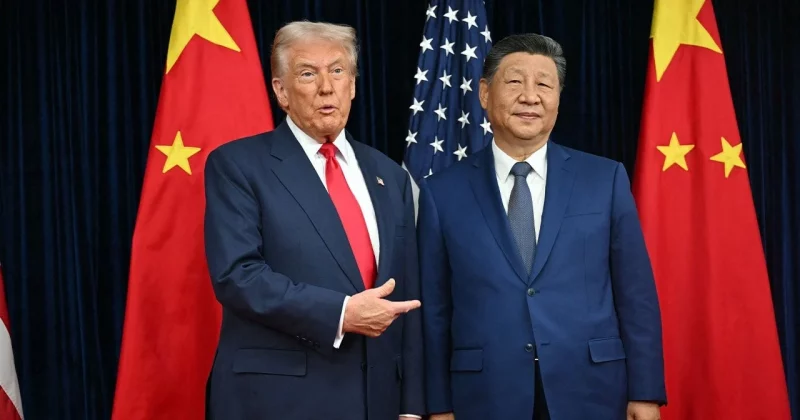
Former President Donald Trump meets Chinese President Xi Jinping in Beijing, focusing on critical issues such as Taiwan's status and trade relations. The high-stakes meeting comes as both nations navigate complex geopolitical challenges.
Trump's Visit to China: A Meeting of Global Significance
In a highly anticipated meeting, former President Donald Trump met with Chinese President Xi Jinping in Beijing this week, marking a significant moment in international relations. The discussions centered around pressing issues, particularly the delicate situation regarding Taiwan and the ongoing trade tensions between the two economic giants.
The Taiwan Question
One of the most critical topics on the agenda was Taiwan, a self-governing island that China considers a breakaway province. The meeting comes at a time when military tensions in the Taiwan Strait have escalated, with increased military drills from both sides. Trump emphasized the importance of maintaining peace and stability in the region, while Xi reiterated China's firm stance on its sovereignty claims over Taiwan.
Trade Relations on the Table
In addition to Taiwan, trade relations were a focal point of the discussions. The two leaders reviewed the current state of trade agreements and tariffs that have strained U.S.-China relations in recent years. Trump expressed a desire to renegotiate terms that he believes are unfavorable to the United States, while Xi highlighted the importance of cooperation and mutual benefit in trade.
Global Reactions and Implications
The meeting has drawn mixed reactions from the international community. Analysts suggest that while dialogue is essential, the underlying tensions remain unresolved. Experts warn that any missteps in communication or action could lead to further escalation in both military and economic spheres.
Domestic Responses
Back in the United States, reactions to Trump's meeting with Xi have varied. Some political leaders support the former president's engagement with China as a necessary step towards diplomacy, while others criticize it as a potential legitimization of authoritarian practices. The meeting has reignited discussions about America's foreign policy approach towards China, especially concerning human rights and trade practices.
Looking Ahead
As the world watches closely, the outcomes of this meeting could have far-reaching implications for U.S.-China relations. Both leaders face domestic pressures that could influence their willingness to compromise on key issues. The future of Taiwan, trade agreements, and broader international relations hangs in the balance as the two nations navigate this complex geopolitical landscape.
Conclusion
Trump's visit to Beijing has underscored the intricate and often contentious relationship between the United States and China. As both nations grapple with their respective challenges, the need for open dialogue and strategic communication has never been more critical. The international community remains hopeful that this meeting will pave the way for a more stable and cooperative future.