Trump Draws Parallels Between Jimmy Lai's Imprisonment and James Comey's Fate
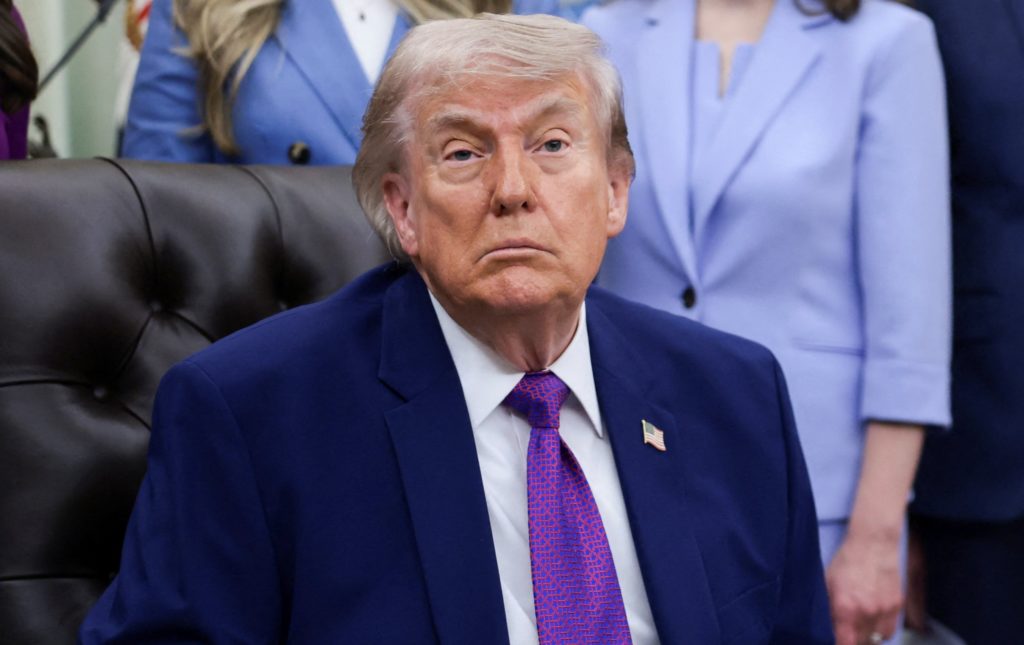
Former President Donald Trump has likened the imprisonment of Hong Kong media tycoon Jimmy Lai to the political struggles of former FBI Director James Comey. In a recent interview, Trump emphasized the need to address Lai's situation in discussions with Chinese President Xi Jinping.
Trump's Comments on Jimmy Lai's Imprisonment
In a recent interview with PBS, former President Donald Trump made headlines by drawing a comparison between the imprisonment of Hong Kong media tycoon Jimmy Lai and the political fate of former FBI Director James Comey. Lai, a prominent pro-democracy advocate, has been a vocal critic of the Chinese government and has faced severe repercussions for his activism, including a lengthy prison sentence under Hong Kong's national security law. Trump's remarks come at a time when global attention is focused on the deteriorating situation for press freedoms and human rights in Hong Kong.
Context of Lai's Imprisonment
Jimmy Lai, the founder of the now-defunct Apple Daily newspaper, was arrested in August 2020 as part of a sweeping crackdown on dissent in Hong Kong. His case has become emblematic of the broader repression faced by pro-democracy figures in the region. Lai was convicted of fraud and sentenced to five years in prison, a move widely criticized by international observers as politically motivated. The national security law, imposed by Beijing, has been used to silence dissent and curb freedoms in Hong Kong, leading to widespread condemnation from human rights organizations.
Trump's Position on China
During the PBS interview, Trump stated that he would bring up Lai's imprisonment in discussions with Chinese President Xi Jinping, should he have the opportunity. He expressed concern about the implications of Lai's case for free speech and democracy in Hong Kong, drawing a parallel to Comey's experiences during his tenure at the FBI. Trump suggested that both Lai and Comey faced unjust treatment due to their respective positions and actions against powerful political entities.
International Response to Lai's Case
The international community has reacted strongly to Lai's imprisonment, with numerous governments and organizations calling for his release and condemning the actions of the Hong Kong authorities. The United States, in particular, has been vocal in its criticism of China's handling of dissent in Hong Kong. Trump's comments may resonate with those advocating for human rights and democratic freedoms, as they highlight the ongoing struggle faced by activists like Lai.
Implications for U.S.-China Relations
Trump's remarks also come at a crucial time for U.S.-China relations, which have been strained over various issues, including trade, technology, and human rights. By addressing Lai's situation, Trump may be attempting to position himself as a champion of human rights in contrast to the current administration's approach. The implications of such discussions could affect diplomatic relations and negotiations between the two nations, particularly regarding issues of governance and civil liberties.
The Future of Press Freedom in Hong Kong
The fate of press freedom in Hong Kong hangs in the balance, with many fearing that the situation will only worsen as the Chinese government continues to tighten its grip on the region. Lai's case serves as a stark reminder of the challenges faced by journalists and activists who dare to speak out against authoritarianism. As international attention remains focused on Hong Kong, the hope for a return to democratic norms and press freedoms continues to be a rallying point for advocates around the world.
Conclusion
Trump's comments regarding Jimmy Lai highlight the ongoing struggle for democracy and human rights in Hong Kong. As the international community continues to advocate for Lai's release and the protection of press freedoms, it remains crucial for leaders to address these issues in their diplomatic engagements with China.