Trial of Tiananmen Vigil Organizers Highlights Ongoing Struggles for Freedom in Hong Kong
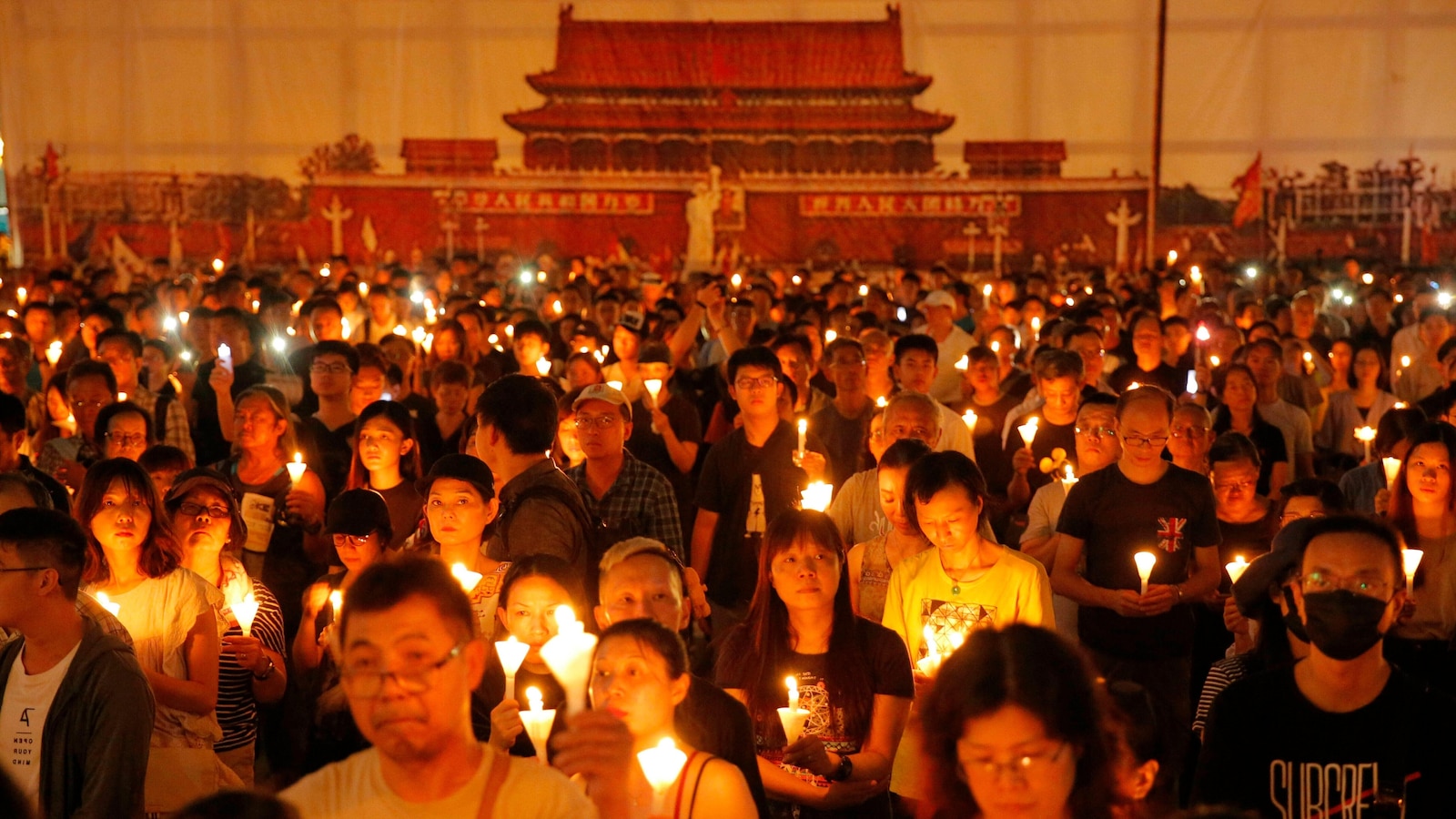
The trial of key figures behind the Tiananmen Square vigil in Hong Kong has commenced, raising significant concerns about the erosion of freedoms in the city. This legal proceeding underscores the broader implications for civil liberties and political dissent in the wake of China's tightening grip on Hong Kong.
Introduction
The trial of prominent activists involved in organizing the annual Tiananmen Square vigil in Hong Kong has begun, drawing international attention and raising critical questions about the future of civil liberties in the city. This legal action is seen as part of a broader crackdown on dissent following the imposition of the National Security Law in 2020, which has significantly curtailed freedoms previously enjoyed by Hong Kong residents.
The Background of the Vigil
For over three decades, Hong Kong has been known for its annual candlelight vigils commemorating the victims of the Tiananmen Square massacre, which occurred in 1989. These vigils have served as a powerful symbol of the city's unique political identity and its residents' commitment to freedom of expression. However, in recent years, the Hong Kong government has increasingly targeted these gatherings, citing public safety and national security concerns.
Who Are the Defendants?
The trial involves several key figures from the Hong Kong Alliance in Support of Patriotic Democratic Movements of China, the group that organized the vigils. Among the defendants are prominent activists such as Lee Cheuk-yan, who has been a vocal advocate for democracy and human rights. They face charges related to the unauthorized assembly and incitement, which could lead to severe penalties if convicted.
Legal Proceedings and Charges
The charges against the organizers reflect the Hong Kong government's ongoing efforts to suppress any form of dissent. The prosecution argues that the vigil was held without proper authorization, while the defense maintains that the right to assembly is a fundamental freedom protected under both local and international law. The trial is expected to draw significant media coverage, with many viewing it as a litmus test for the state of civil liberties in Hong Kong.
International Reactions
International human rights organizations and foreign governments have condemned the trial, calling it a blatant violation of the freedoms guaranteed under the Sino-British Joint Declaration. The United States and the United Kingdom have both issued statements urging the Hong Kong government to respect the rights of its citizens and to allow peaceful expressions of dissent. Observers note that the trial could further strain Hong Kong's already tense relations with the West.
The Broader Implications
The outcome of this trial could have far-reaching consequences for the future of political activism in Hong Kong. As the government continues to clamp down on dissent, many fear that the city is losing its status as a bastion of free speech and democratic values in Asia. Activists worry that this trial could deter future generations from engaging in political activism, fearing legal repercussions.
Conclusion
The trial of the Tiananmen vigil organizers is not just a legal battle; it is a crucial moment in Hong Kong's ongoing struggle for freedom and democracy. As the world watches closely, the proceedings will likely serve as a barometer for the state of civil liberties in the city and the extent to which the government will go to silence dissent. The outcome could either embolden activists or further entrench the government's authoritarian measures, shaping the future of Hong Kong for years to come.