Trial Against Tiananmen Vigil Organizers Highlights Erosion of Freedoms in Hong Kong
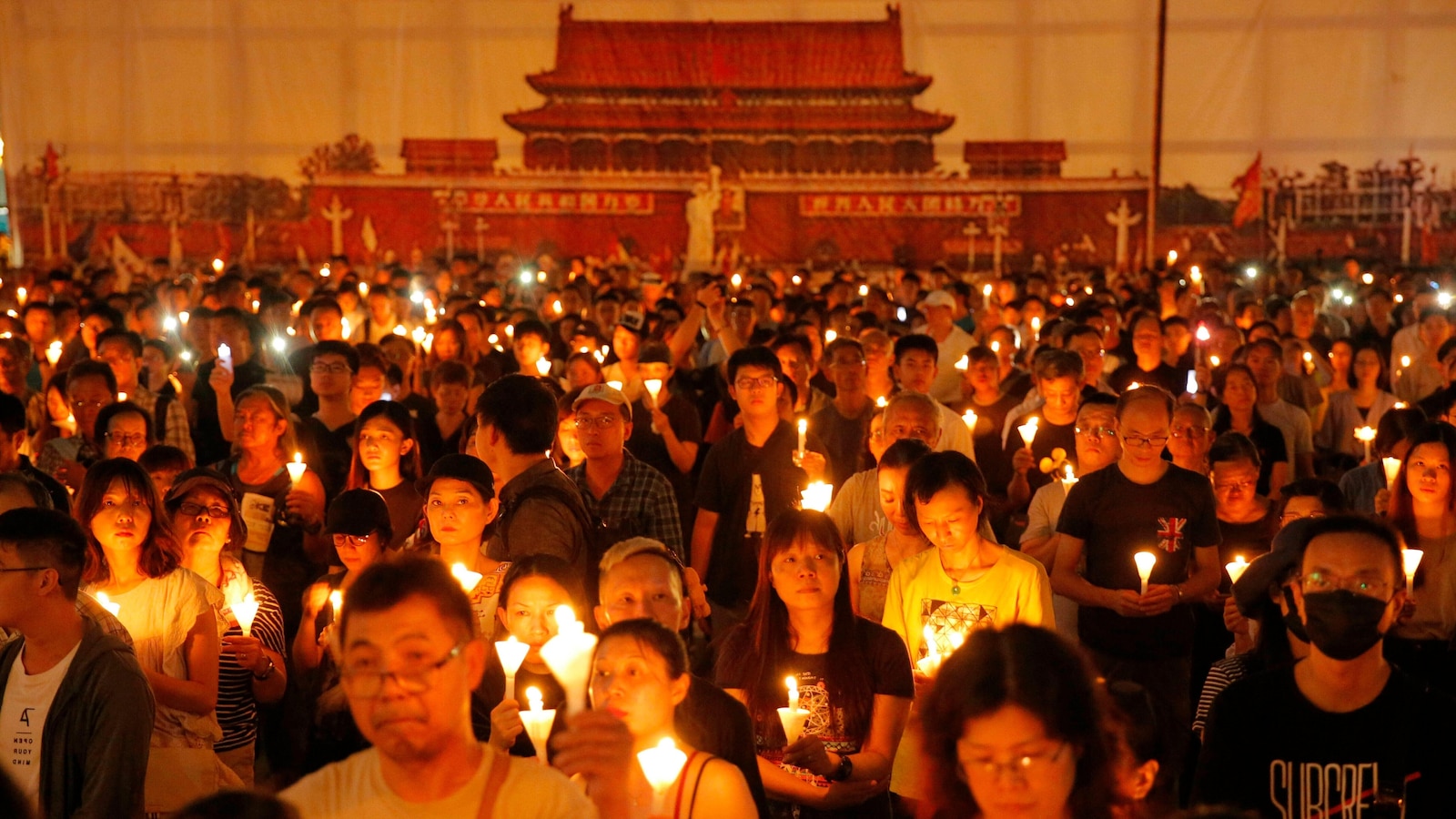
The ongoing trial of prominent Tiananmen vigil organizers in Hong Kong underscores the diminishing space for dissent and freedom of expression in the city. As the trial unfolds, it raises critical questions about the future of civil liberties in a region long celebrated for its vibrant political discourse.
Introduction
The trial of several prominent organizers of the Tiananmen Square vigil in Hong Kong has commenced, drawing international attention and raising alarms over the ongoing erosion of civil liberties in the city. This trial is emblematic of a broader crackdown on dissent that has intensified since the implementation of the National Security Law in 2020.
Background of the Vigil
The Tiananmen Square vigil, held annually on June 4, commemorates the pro-democracy protests of 1989, where thousands of demonstrators were killed by the Chinese government. For over three decades, Hong Kong was one of the few places in China where public remembrance of the event was allowed. However, in recent years, the Hong Kong government has systematically dismantled the framework that supported such expressions of dissent.
The Charges Against Organizers
Among those on trial are prominent figures from the Hong Kong Alliance in Support of Patriotic Democratic Movements of China, the group that organized the vigil. They face charges of inciting others to participate in an unauthorized assembly, a charge that many see as politically motivated. The prosecution argues that their actions posed a threat to public order, while defense attorneys contend that the charges are an infringement on the right to free expression.
International Response
The trial has drawn condemnation from various international human rights organizations, which argue that it is part of a larger pattern of repression against dissenting voices in Hong Kong. The United Nations and several foreign governments have issued statements urging the Hong Kong authorities to respect the rights of individuals to assemble peacefully and express their political beliefs. The trial is being closely monitored, with many observers viewing it as a litmus test for the future of civil liberties in the city.
The Atmosphere in Hong Kong
In the lead-up to the trial, the atmosphere in Hong Kong has been tense. Public gatherings have been heavily restricted, and many activists have either been arrested or have fled abroad. The chilling effect of the National Security Law has led to self-censorship among journalists, academics, and the general public. The once-vibrant political landscape of Hong Kong is now characterized by fear and uncertainty.
Implications for Civil Society
The trial of the Tiananmen vigil organizers raises critical questions about the future of civil society in Hong Kong. The ability to commemorate historical events and engage in political discourse is a cornerstone of any democratic society. As the government continues to crack down on dissent, many fear that Hong Kong is moving closer to a state of authoritarianism, where freedoms are curtailed, and opposition is silenced.
Conclusion
The trial against the Tiananmen vigil organizers is not just a legal proceeding; it is a significant moment in the ongoing struggle for democracy and human rights in Hong Kong. As the world watches, the outcome of this trial may well determine the fate of civil liberties in the city for years to come. The organizers' commitment to remembering the Tiananmen Square massacre serves as a powerful reminder of the importance of history and the ongoing fight for freedom in the face of repression.