The Year of the Horse: Embracing Tradition and Modernity in the Lunar New Year 2026
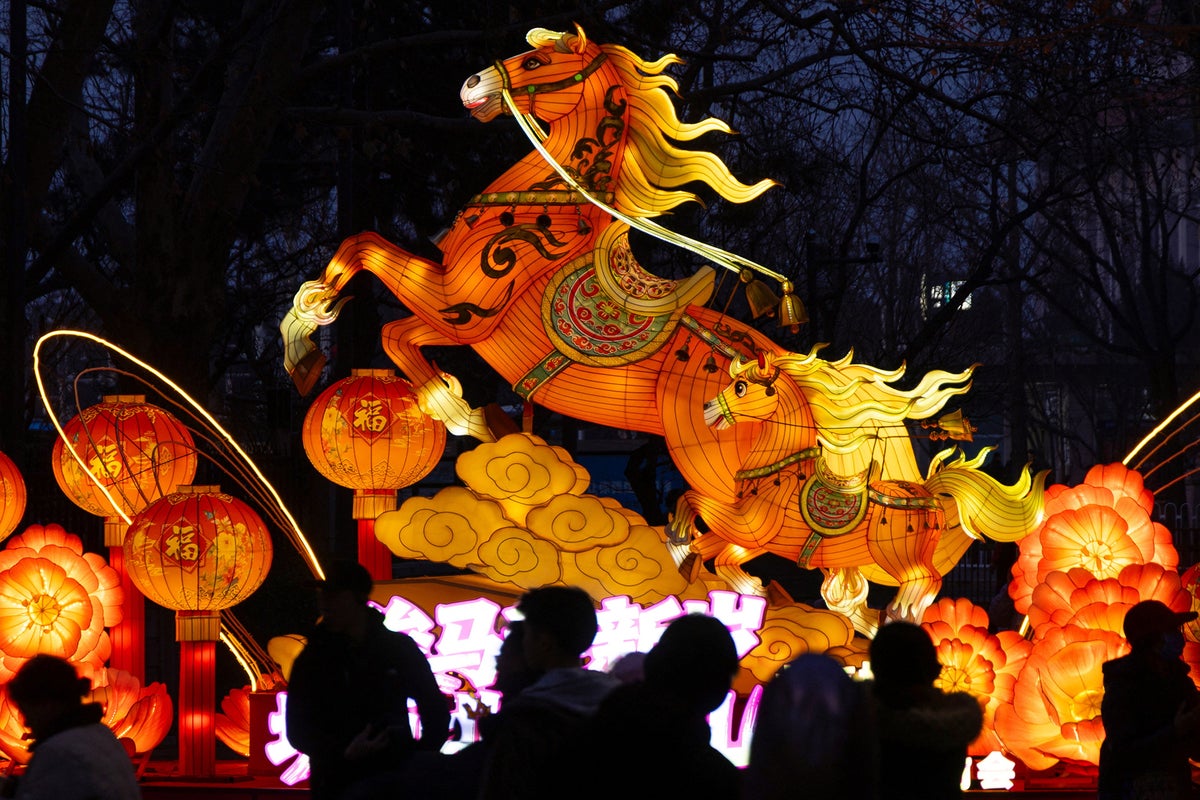
As the Year of the Horse approaches in 2026, communities around the world prepare to celebrate the Lunar New Year with rich traditions and modern interpretations. This article explores the significance of the Horse in Chinese culture and how festivities are evolving in contemporary society.
Introduction
The Lunar New Year is a time of joy, reflection, and renewal, celebrated by millions across the globe. In 2026, the Year of the Horse will take center stage, bringing with it a rich tapestry of traditions and cultural significance that resonate deeply within Chinese communities and beyond.
The Symbolism of the Horse
In Chinese culture, the Horse is a symbol of strength, perseverance, and freedom. Those born under this zodiac sign are often characterized as energetic, intelligent, and capable of achieving great things. The Horse's association with speed and agility also reflects the desire for progress and success, making it a particularly auspicious sign for the upcoming year.
Historical Significance
The Horse has been revered in Chinese history for centuries, often associated with the military and agriculture. Historically, horses were vital for transportation and warfare, symbolizing power and nobility. As we approach 2026, many will look back at the historical context of the Horse and its impact on Chinese society, celebrating the attributes that have made it a beloved symbol.
Modern Celebrations
As the world becomes more interconnected, the way Lunar New Year is celebrated is evolving. In 2026, cities across the globe will host vibrant parades, traditional lion dances, and fireworks displays, merging age-old customs with contemporary flair. Communities are increasingly incorporating modern elements such as digital celebrations and virtual gatherings, allowing people to connect regardless of geographical boundaries.
Festivities Around the World
From Hong Kong to San Francisco, the Lunar New Year is a time for family reunions and communal festivities. In Hong Kong, the streets will be adorned with colorful decorations, and the iconic New Year’s Day parade will showcase elaborate floats and performances. Meanwhile, in Taiwan, traditional temple fairs will offer a glimpse into the rich cultural heritage, featuring local delicacies and folk performances.
Food Traditions
Food plays a central role in Lunar New Year celebrations, with each dish carrying its own significance. In 2026, families will gather to enjoy traditional foods such as dumplings, fish, and rice cakes, each symbolizing prosperity, abundance, and good fortune. The act of sharing meals with loved ones underscores the importance of family and togetherness during this festive season.
Embracing Change
As we celebrate the Year of the Horse, it is essential to acknowledge the ongoing changes in society. The younger generation is increasingly blending traditional practices with modern lifestyles, creating a unique fusion that honors the past while embracing the future. This shift is particularly evident in the way celebrations are organized, with a focus on inclusivity and sustainability.
Conclusion
The Year of the Horse in 2026 promises to be a celebration of tradition, resilience, and innovation. As communities around the world come together to honor the significance of the Horse, they will also reflect on their shared heritage and the values that unite them. Whether through traditional customs or modern interpretations, the spirit of the Lunar New Year will continue to thrive, inspiring hope and joy for the year ahead.