The Viral Sad Horse Toy: A Reflection of China's Current Mood
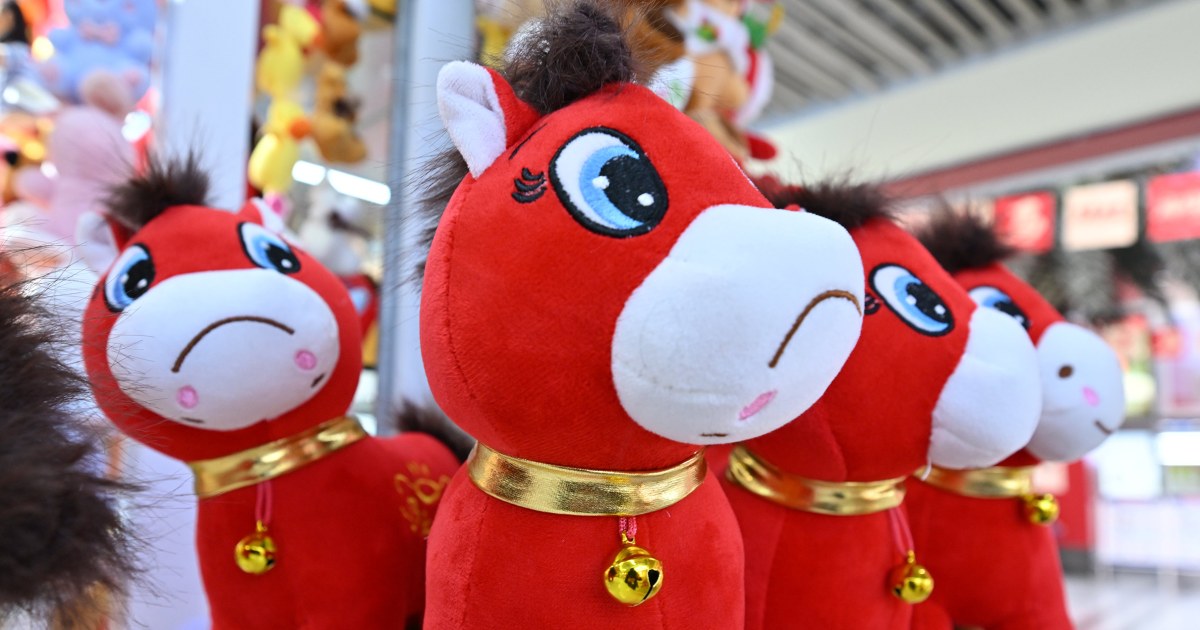
A defective toy dubbed the 'sad horse' has become a viral sensation in China, resonating with the public's sentiments amid economic challenges. This phenomenon highlights the intersection of consumer culture and social commentary in contemporary Chinese society.
The Rise of the Sad Horse Toy
In a curious twist of consumer culture, a defective toy horse has captured the hearts and minds of millions across China, becoming a viral sensation that encapsulates the nation's current mood. Dubbed the 'sad horse,' this plush toy, which features an unfortunate design flaw that gives it a perpetually forlorn expression, has sparked a wave of memes, social media posts, and even merchandise. The phenomenon is not merely a lighthearted trend; it reflects deeper societal sentiments amid ongoing economic challenges and uncertainties.
A Symbol of Discontent
The sad horse toy's rise to fame coincides with a period of economic stagnation in China, characterized by rising unemployment rates and a slowdown in consumer spending. As the nation grapples with the aftereffects of stringent COVID-19 policies and geopolitical tensions, many citizens find themselves disillusioned and anxious about the future. The sad horse, with its downturned eyes and droopy ears, has become an emblem of this collective discontent, resonating with those who feel similarly defeated by the circumstances surrounding them.
Social Media and the Power of Memes
Social media platforms, particularly Weibo and Douyin (the Chinese version of TikTok), have played a crucial role in the toy's viral success. Users have flooded these platforms with videos and images of the sad horse, often pairing it with captions that reflect their own struggles and frustrations. The toy has been humorously anthropomorphized, with users creating stories and scenarios that highlight the absurdity of life in contemporary China. This creative expression serves as both a coping mechanism and a form of social commentary, allowing individuals to bond over shared experiences of hardship.
The Commercialization of Sadness
As the sad horse toy gained popularity, it also caught the attention of marketers and entrepreneurs. Various brands began to capitalize on the trend, producing merchandise that features the sad horse in various forms—ranging from apparel to home decor. This commercialization of the sad horse phenomenon raises questions about the commodification of emotions and the ways in which consumer culture can both reflect and shape societal attitudes.
The Broader Cultural Context
The sad horse toy is not an isolated incident but rather part of a broader cultural narrative in China, where humor and satire often serve as outlets for frustration. In recent years, a growing number of internet memes and viral trends have emerged that critique social issues, political policies, and economic conditions. The sad horse fits neatly into this landscape, illustrating how humor can be a powerful tool for expressing dissent and fostering community in times of crisis.
Conclusion: A Reflection of the Times
As the sad horse continues to capture the public's imagination, it serves as a poignant reminder of the complex emotions that define contemporary life in China. While it may appear to be just a simple toy, the sad horse encapsulates a myriad of feelings—from disappointment and frustration to resilience and humor. In a society navigating the challenges of modernity, the sad horse stands as a symbol of collective sentiment, inviting reflection on the state of the nation and the hopes for a brighter future.