The State of Freedom in Hong Kong: A Muzzled Stability
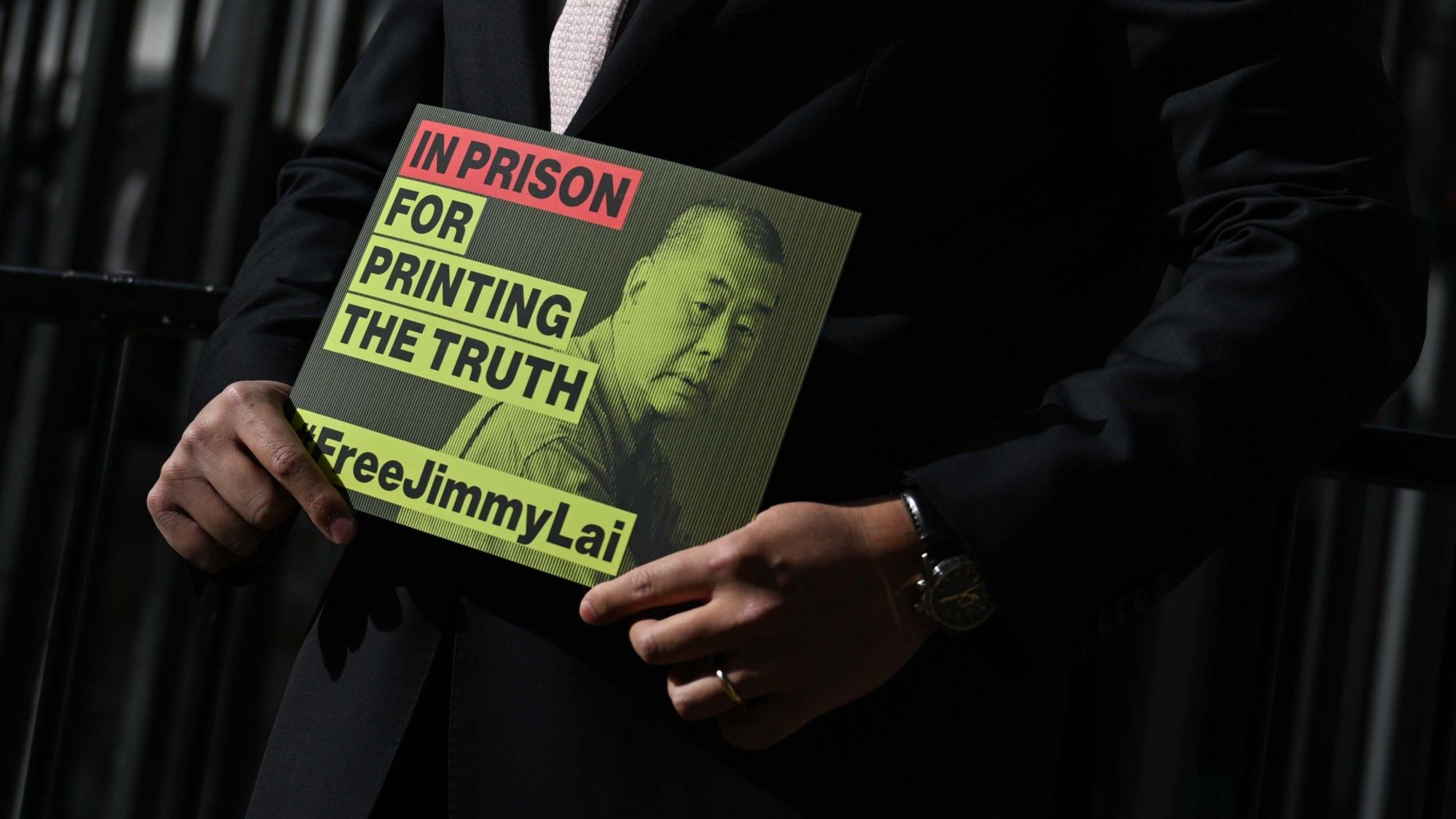
Hong Kong's current political landscape reflects a delicate balance between stability and suppression of dissent. As the city grapples with its identity post-2019 protests, the implications of its governance model raise critical questions about its future.
Introduction
In recent years, Hong Kong has undergone a significant transformation, marked by a series of political upheavals and a subsequent crackdown on dissent. The 2019 protests against the extradition bill catalyzed a movement that not only challenged the local government but also drew international attention to the city's unique status under the "one country, two systems" framework. However, as the dust settles, the question remains: Is Hong Kong truly stable, or has it merely been muzzled?
Political Landscape Post-Protests
Following the widespread protests, the Hong Kong government, backed by Beijing, implemented a sweeping National Security Law in June 2020. This law has been pivotal in reshaping the political landscape of the city, effectively criminalizing dissent and curtailing freedoms that were once taken for granted. Critics argue that this has led to a climate of fear, where individuals are wary of expressing their opinions, lest they face severe repercussions.
Stability Through Suppression
While the government touts the reduction in protests and civil unrest as signs of stability, many observers contend that this stability comes at a significant cost. The suppression of free speech, the dismantling of pro-democracy organizations, and the arrest of key activists have created an environment where public discourse is stifled. As noted in a recent article from The Week Magazine, the apparent calm in Hong Kong is deceptive; it masks a deeper malaise where citizens feel they must self-censor to avoid government scrutiny.
The Role of the International Community
The international community has been vocal in its criticism of Hong Kong's deteriorating human rights situation. Countries like the United States, the United Kingdom, and several European nations have imposed sanctions on Hong Kong officials and expressed their concerns through various diplomatic channels. However, the effectiveness of these measures remains debatable, as China continues to assert its authority over the region without significant pushback.
Public Sentiment and Future Prospects
Public sentiment in Hong Kong is complex and multifaceted. While some residents support the government's efforts to restore order, others feel disillusioned and betrayed by the erosion of their freedoms. A recent survey indicated that a significant portion of the population is concerned about the future of their civil liberties, with many expressing a desire for a return to the more open society that existed before the protests.
The Economic Implications
The political climate in Hong Kong also has economic ramifications. The city has long been regarded as a global financial hub, but the tightening grip of the government raises questions about its attractiveness to international businesses. Companies are increasingly weighing the risks of operating in an environment where regulatory frameworks can change abruptly and where political stability is contingent upon compliance with government mandates.
Conclusion
As Hong Kong navigates its new reality, the balance between stability and freedom remains precarious. The government may celebrate a quieter city, but the underlying tensions and fears among its citizens cannot be overlooked. The future of Hong Kong hangs in the balance, as the world watches to see whether the city can reclaim its identity or if it will continue down a path of suppression masked as stability.