The Rising Influence of the China-Russia-North Korea Axis Amid Global Conflicts
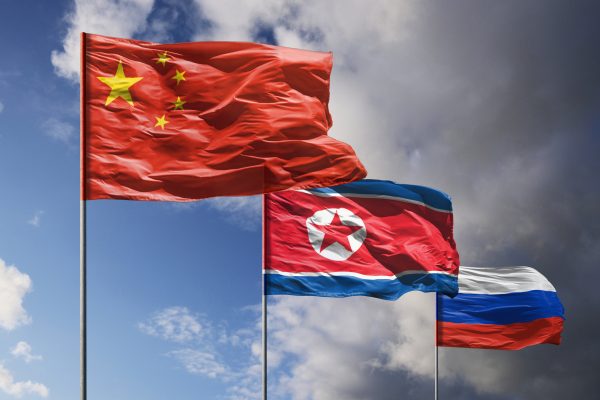
The growing alliance between China, Russia, and North Korea poses significant geopolitical challenges as conflicts in Ukraine and Iran escalate. This report delves into the implications of this authoritarian axis on global stability and security.
The Rising Influence of the China-Russia-North Korea Axis Amid Global Conflicts
In recent months, the geopolitical landscape has been increasingly shaped by the burgeoning alliance between China, Russia, and North Korea. As conflicts in Ukraine and Iran continue to unfold, this authoritarian axis is emerging as a formidable force that threatens to reshape international relations and global security.
Strengthening Ties
The collaboration among these three nations is not merely a coincidence; it is a strategic alignment that stems from a shared interest in countering Western influence and promoting their authoritarian governance models. China and Russia have long maintained a close partnership, bolstered by economic ties and military cooperation. North Korea, under Kim Jong-un, has increasingly aligned itself with these powers, seeking support against perceived threats from the United States and its allies.
Implications for Ukraine
The ongoing war in Ukraine serves as a critical backdrop for this alliance. Russia's invasion of Ukraine has drawn widespread condemnation from the West, resulting in severe sanctions and military support for Ukraine from NATO countries. In response, Russia has sought to strengthen its ties with China, which has provided diplomatic cover and economic support. The two nations have conducted joint military exercises, showcasing their solidarity in the face of Western opposition.
North Korea's Role
North Korea's involvement in this axis is particularly concerning for regional security in East Asia. With its nuclear ambitions and aggressive military posture, North Korea has become a key player in the geopolitical chess game. Recent missile tests and military provocations have drawn attention to its alliance with Russia and China, both of which have historically supported Pyongyang's defiance against international sanctions. This collaboration not only emboldens North Korea but also raises alarms for neighboring countries, particularly South Korea and Japan.
Impact on Iran
The situation in Iran further complicates the dynamics of the China-Russia-North Korea axis. As the United States continues to impose sanctions on Iran and seeks to curtail its nuclear program, both China and Russia have stepped in to fill the void. China, in particular, has been a significant economic partner for Iran, engaging in trade agreements and investments that bolster Tehran's economy. This relationship is mutually beneficial, as Iran provides energy resources to China while also serving as a strategic ally for Russia in the Middle East.
Global Repercussions
The implications of this authoritarian alliance extend beyond regional conflicts. The China-Russia-North Korea axis poses a challenge to the liberal international order established post-World War II. As these nations work to undermine Western influence and promote their authoritarian models, they threaten to create a more fragmented and unstable world. The potential for increased military cooperation, economic collaboration, and shared intelligence among these countries raises concerns about a new Cold War dynamic.
Conclusion
As the world grapples with the consequences of the ongoing wars in Ukraine and Iran, the rising influence of the China-Russia-North Korea axis cannot be overlooked. This alliance not only represents a significant shift in global power dynamics but also poses a direct challenge to the principles of democracy and human rights. Moving forward, it will be crucial for the international community to address the implications of this authoritarian coalition and work towards a cohesive strategy to counter its influence.