The Resilience of Hong Kong's Candlelight Vigils: A Symbol of Hope Amidst Suppression
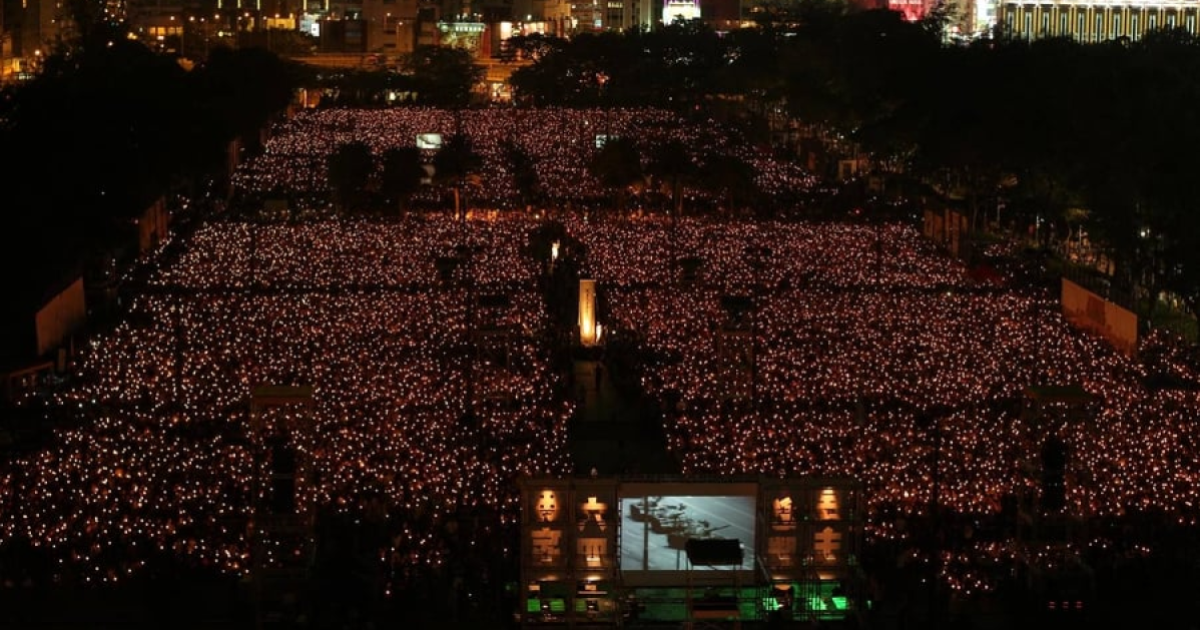
Candlelight vigils in Hong Kong continue to symbolize the struggle for democracy and human rights, despite increasing suppression from authorities. This enduring tradition reflects the city's resilience and commitment to remembering its past.
The Resilience of Hong Kong's Candlelight Vigils: A Symbol of Hope Amidst Suppression
In a city where the shadows of political repression loom large, the act of lighting candles in remembrance has become a powerful symbol of hope and resilience for many Hong Kong residents. Despite the government's increasing efforts to suppress dissent and erase the memory of pivotal events such as the Tiananmen Square Massacre, the tradition of candlelight vigils continues to thrive, embodying the spirit of resistance against authoritarianism.
Every year, on June 4th, thousands of Hong Kongers gather at Victoria Park to commemorate the victims of the 1989 Tiananmen Square protests. This gathering, which has been a hallmark of Hong Kong's civil society for over three decades, serves not only as a memorial but also as a rallying point for those advocating for democracy and human rights in the face of escalating repression from the Chinese government.
A Tradition Under Threat
However, the landscape of these vigils has changed dramatically in recent years. The Hong Kong government, under the influence of Beijing, has implemented a series of laws aimed at curtailing freedom of expression and assembly. In 2020, the imposition of the National Security Law led to the cancellation of the annual vigil for the first time in over three decades, citing public health concerns due to the COVID-19 pandemic. This marked a significant turning point, as authorities sought to dismantle a key aspect of Hong Kong's identity as a bastion of free speech and democratic values.
Despite these challenges, many activists and ordinary citizens remain undeterred. They continue to find ways to honor the memory of those who lost their lives in Tiananmen Square, often resorting to smaller, more discreet gatherings or even lighting candles in their homes. This adaptation speaks to the resilience of a community that refuses to be silenced.
The Role of Social Media
In the digital age, social media has played a crucial role in keeping the spirit of these vigils alive. Activists have turned to platforms like Twitter and Facebook to organize events, share memories, and educate younger generations about the significance of Tiananmen Square. These online efforts have fostered a sense of solidarity among Hong Kong's youth, many of whom were not alive during the events of 1989 but feel a deep connection to the struggle for democracy.
Moreover, the global diaspora of Hong Kong residents has amplified the reach of these vigils. Protests and candlelight ceremonies have been organized in cities around the world, from London to San Francisco, allowing Hong Kongers abroad to express their solidarity with those still fighting for freedom at home. This international dimension has drawn attention to the ongoing repression in Hong Kong and has galvanized support for the pro-democracy movement.
Looking Ahead
As Hong Kong navigates its complex political landscape, the future of these candlelight vigils remains uncertain. Activists face the constant threat of arrest and harassment, and the government shows no signs of easing its grip on dissent. Yet, the enduring commitment of the people to remember and honor those who fought for their freedoms serves as a beacon of hope.
In a world where authoritarianism is on the rise, the candlelight vigils of Hong Kong stand as a testament to the power of collective memory and the unyielding desire for justice. As long as there are voices willing to speak out, the light of those candles will continue to shine, illuminating the path toward a more democratic future.