The Resilience of Hong Kong's Candlelight Vigils Amidst Political Turmoil
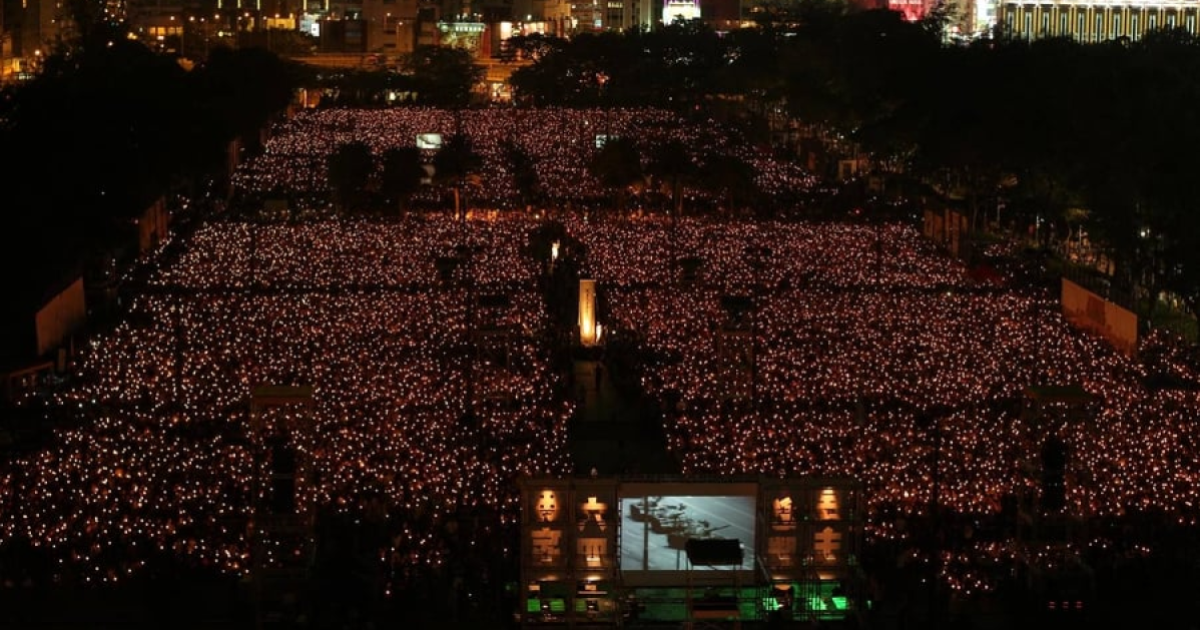
As Hong Kong faces increasing political pressure, the tradition of candlelight vigils continues to symbolize resilience and remembrance. This year marks a significant moment for the city's fight for freedom and the preservation of its history.
Introduction
In a city where the echoes of history resonate through its streets, Hong Kong's annual candlelight vigils have become a poignant symbol of resilience and remembrance. Despite increasing political pressure from the mainland, these gatherings continue to draw thousands, serving as a powerful reminder of the fight for democracy and human rights.
The Significance of Candlelight Vigils
Candlelight vigils in Hong Kong have historically been held to commemorate the Tiananmen Square Massacre of June 4, 1989. These events have evolved into a broader symbol of resistance against authoritarianism, uniting citizens in their shared desire for freedom and justice. The act of lighting candles in the darkness represents hope and the unwavering spirit of those who seek to challenge oppression.
Political Context
In recent years, the political landscape in Hong Kong has shifted dramatically. Following the imposition of the National Security Law in 2020, many activists have been arrested, and public dissent has been stifled. The government’s crackdown on freedoms has led to fears that the rich history of activism in Hong Kong may be extinguished. However, the candlelight vigils have persisted, adapting to the changing political climate and continuing to attract participants who refuse to be silenced.
Recent Vigils and Their Impact
This year, the vigil took place under heightened security measures, with police presence more pronounced than in previous years. Despite this, thousands gathered at Victoria Park, a traditional site for the vigils, to honor the victims of Tiananmen and to express their ongoing struggles against the erosion of freedoms. The atmosphere was charged with emotion, as speakers recounted personal stories of loss and resilience, reminding attendees of the importance of remembering their history.
Challenges Faced by Organizers
Organizers of the vigils have faced significant challenges in recent years. Many key figures in the pro-democracy movement have been jailed or forced into exile, leading to a leadership vacuum. This has made it increasingly difficult to coordinate large-scale events. Additionally, the government has implemented laws that effectively criminalize the act of commemorating the Tiananmen Square Massacre, creating a climate of fear among potential participants. Nevertheless, grassroots efforts have emerged, with younger generations stepping up to carry the torch of activism.
The Role of Technology
In response to the restrictions on public gatherings, many activists have turned to technology to spread their message. Social media platforms have become vital tools for organizing and raising awareness. Live-streaming events, sharing personal testimonies, and creating digital memorials have allowed the spirit of the vigils to transcend physical boundaries, reaching a global audience. This digital activism has not only kept the memory of Tiananmen alive but has also fostered international solidarity.
International Response
The international community has been closely monitoring the situation in Hong Kong. Governments and human rights organizations have condemned the suppression of freedoms and have expressed support for the pro-democracy movement. The continued existence of the candlelight vigils has garnered attention worldwide, serving as a rallying point for advocates of human rights and democracy. This global awareness is crucial in applying pressure on the Hong Kong government and its mainland counterparts to respect the rights of citizens.
Conclusion
As Hong Kong navigates its complex political landscape, the candlelight vigils stand as a testament to the resilience of its people. They symbolize not only the memory of past struggles but also the ongoing fight for a future where freedom and democracy are upheld. The act of lighting a candle in the darkness is more than a ritual; it is a declaration of hope and a commitment to never forget.