The Quiet Stability of Hong Kong: A Double-Edged Sword
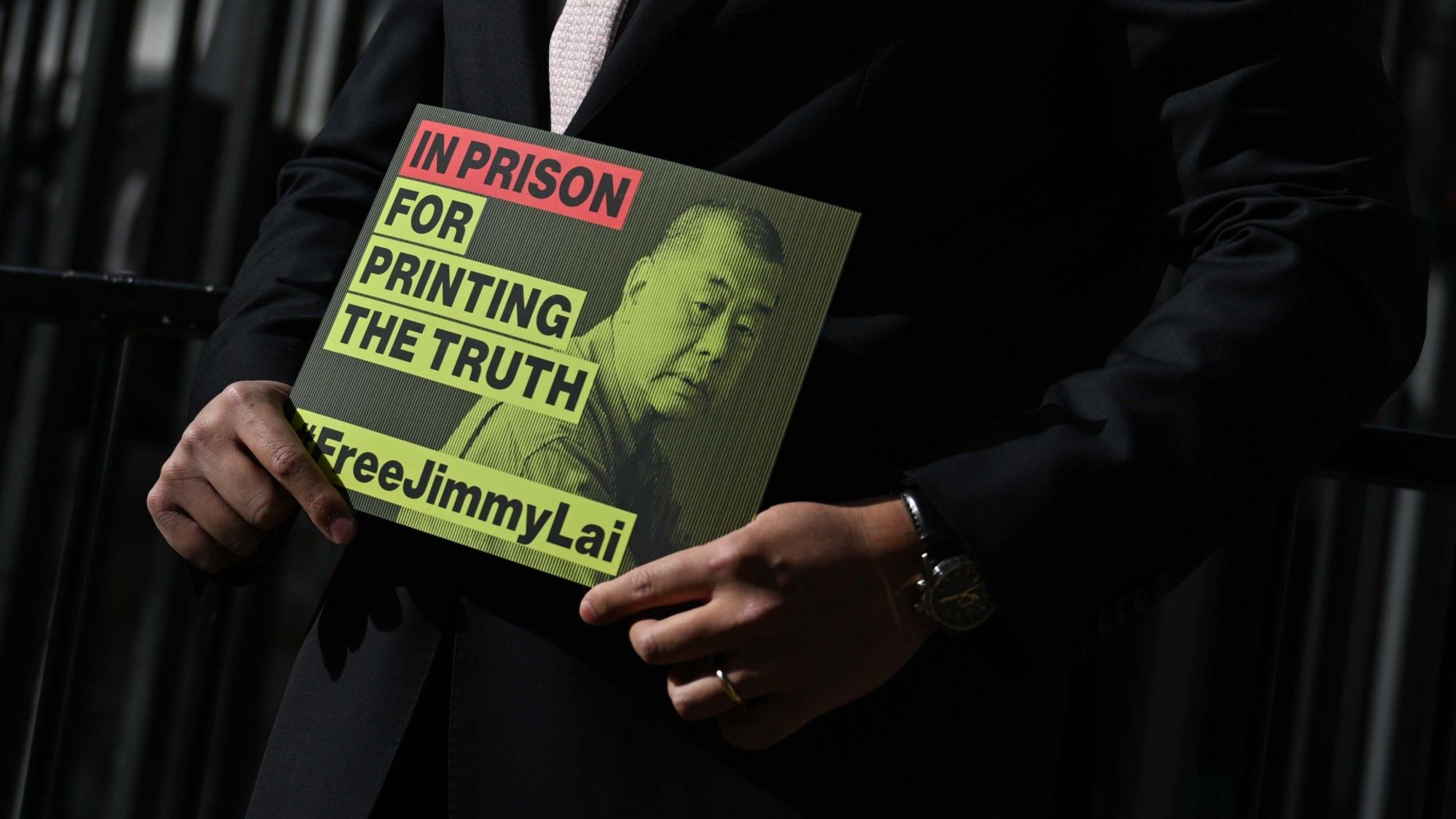
Hong Kong's current stability is a result of stringent measures that have curtailed freedoms and dissent. This report explores the implications of a controlled environment on the city's social fabric and governance.
Introduction
In recent years, Hong Kong has been characterized by a facade of stability, a stark contrast to the turbulence that marked the protests of 2019. However, this stability comes at a significant cost, as the city has been effectively muzzled under a series of stringent laws and regulations that suppress dissent and limit freedoms.
Background
The unrest that erupted in Hong Kong in 2019 was driven by widespread discontent over perceived encroachments on the city’s autonomy and civil liberties. The protests, which drew millions to the streets, were met with a heavy-handed response from authorities. In the aftermath, the Chinese government implemented the National Security Law in June 2020, which has since been utilized to stifle opposition and control various aspects of public life.
Stability Through Suppression
Proponents of the National Security Law argue that it has restored order and stability to Hong Kong. The law targets acts of secession, subversion, terrorism, and collusion with foreign forces, and its enforcement has led to the arrests of numerous activists, journalists, and dissenters. As a result, public protests have virtually disappeared, and the once-vibrant civil society has been significantly weakened.
The Impact on Civil Liberties
Critics contend that the stability observed in Hong Kong is superficial and achieved through oppressive means. The suppression of free speech and assembly has raised serious concerns about the erosion of democratic values and human rights in the city. Many residents now live in fear of repercussions for expressing dissenting opinions, leading to a chilling effect on public discourse.
Economic Implications
While the government touts the return of stability as a boon for business, the long-term economic implications are more complex. International businesses, which once flocked to Hong Kong for its open market and rule of law, are reassessing their positions. Some companies are relocating their operations to more stable environments, while others are concerned about the potential for increased regulation and oversight.
Public Sentiment
Public sentiment in Hong Kong is deeply divided. While some residents appreciate the return to order, others mourn the loss of freedoms that once defined the city. Surveys indicate that a significant portion of the population feels disillusioned with the current political climate, fearing that their voices are no longer heard.
International Response
The international community has reacted with concern to the developments in Hong Kong. Several governments have condemned the actions taken by the Chinese government and have imposed sanctions on individuals deemed responsible for the crackdown on freedoms. However, the effectiveness of international pressure remains uncertain, as Beijing continues to assert its control over the territory.
Conclusion
As Hong Kong navigates its new reality, the question remains: is the price of stability worth the cost of freedom? The city stands at a crossroads, with its future largely dependent on how the balance between governance and civil liberties is managed. While the current state may appear stable, the underlying tensions and discontent could pose challenges in the years to come.