The Last Refuge for Forbidden Books: Hong Kong's Independent Bookstores Face Challenges
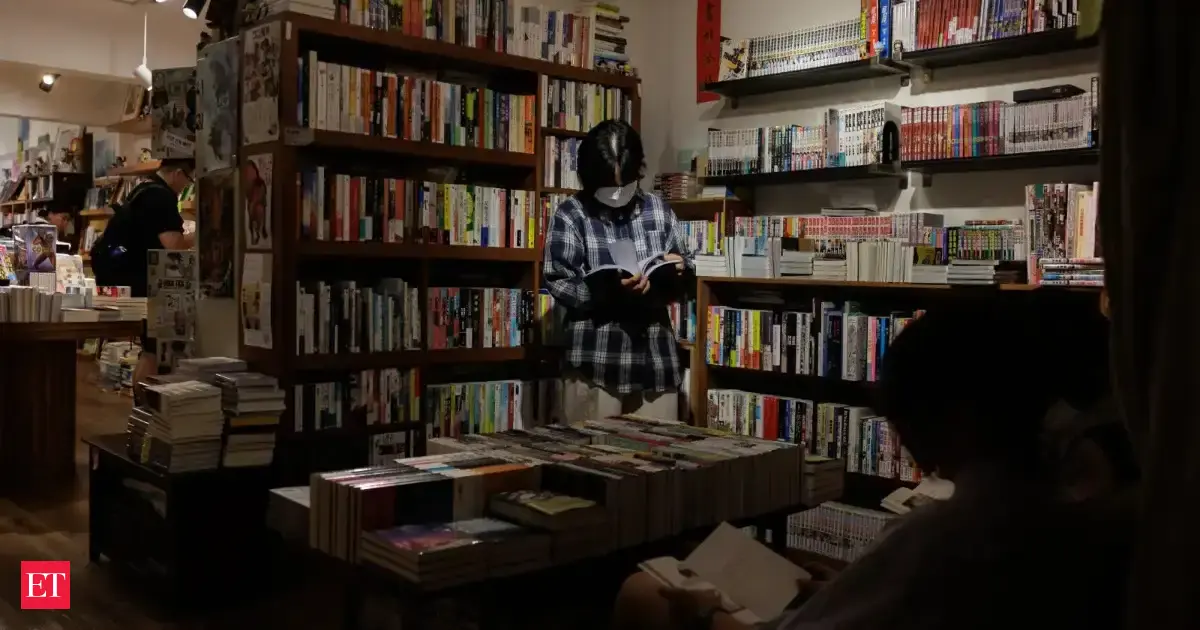
As censorship tightens in Hong Kong, independent bookstores are becoming the last bastions for forbidden literature. This report explores the struggles and resilience of these cultural hubs amidst increasing pressure.
Introduction
In recent years, Hong Kong has witnessed a significant shift in its cultural landscape, particularly concerning freedom of expression and access to literature. Independent bookstores, once vibrant centers of intellectual discourse, are now grappling with the repercussions of increasing censorship and political pressure. As the city navigates its complex relationship with mainland China, these bookstores have emerged as crucial sanctuaries for forbidden books and ideas.
The Rise of Censorship
Since the implementation of the National Security Law in 2020, many aspects of life in Hong Kong have come under scrutiny, including the literary world. Authorities have intensified efforts to suppress dissenting voices, leading to a chilling effect on writers, publishers, and booksellers. Titles that challenge the status quo or critique the government are increasingly being banned, forcing bookstores to tread carefully in their selection of literature.
Independent Bookstores: A Cultural Lifeline
Despite the challenges, independent bookstores in Hong Kong have remained resilient. These establishments are not merely retail spaces; they are community hubs that foster dialogue and promote diverse viewpoints. Bookstore owners and staff often curate collections that reflect the city's unique identity and its struggles, offering readers access to works that might otherwise be unavailable.
Examples of Resilience
One such bookstore, which has become emblematic of this resistance, is “The Bookworm.” Known for its extensive collection of political literature and works by local authors, The Bookworm has faced threats and harassment but continues to operate as a beacon of free thought. The owner, who wishes to remain anonymous for safety reasons, states, "We believe in the power of literature to inspire change and provoke thought. We cannot let fear dictate what we choose to share with our community."
Community Support and Solidarity
The support from the community has been instrumental in helping these bookstores survive. Local readers are increasingly aware of the importance of independent bookstores as cultural institutions. Many have rallied to support their favorite shops through crowdfunding initiatives, book fairs, and social media campaigns. This solidarity reflects a broader desire to preserve Hong Kong's literary heritage and to resist the encroachment of censorship.
The Impact of Digitalization
While independent bookstores face significant challenges, the rise of digital platforms has also transformed the literary landscape. E-books and online retailers offer readers access to a vast array of titles, including those that may be banned in physical stores. However, this shift raises questions about the future of independent bookstores. Many owners express concern that the convenience of online shopping may undermine the unique experience that physical bookstores provide, where readers can engage with staff and discover new titles in a welcoming environment.
Looking Ahead
The future of independent bookstores in Hong Kong remains uncertain. As political pressures continue to mount, the risk of further censorship looms large. However, the resilience of these cultural institutions serves as a testament to the enduring power of literature and the human spirit. As long as there are readers willing to seek out forbidden books, independent bookstores will continue to play a vital role in Hong Kong's cultural narrative.
Conclusion
In a time of uncertainty, independent bookstores in Hong Kong stand as a testament to the resilience of free thought and expression. They not only provide access to literature but also foster a sense of community and solidarity among readers. As the city grapples with its identity and future, these bookstores remain a crucial refuge for forbidden ideas, ensuring that the voices of dissent are not silenced.