The Global Revival of Mahjong: A Cultural Phenomenon
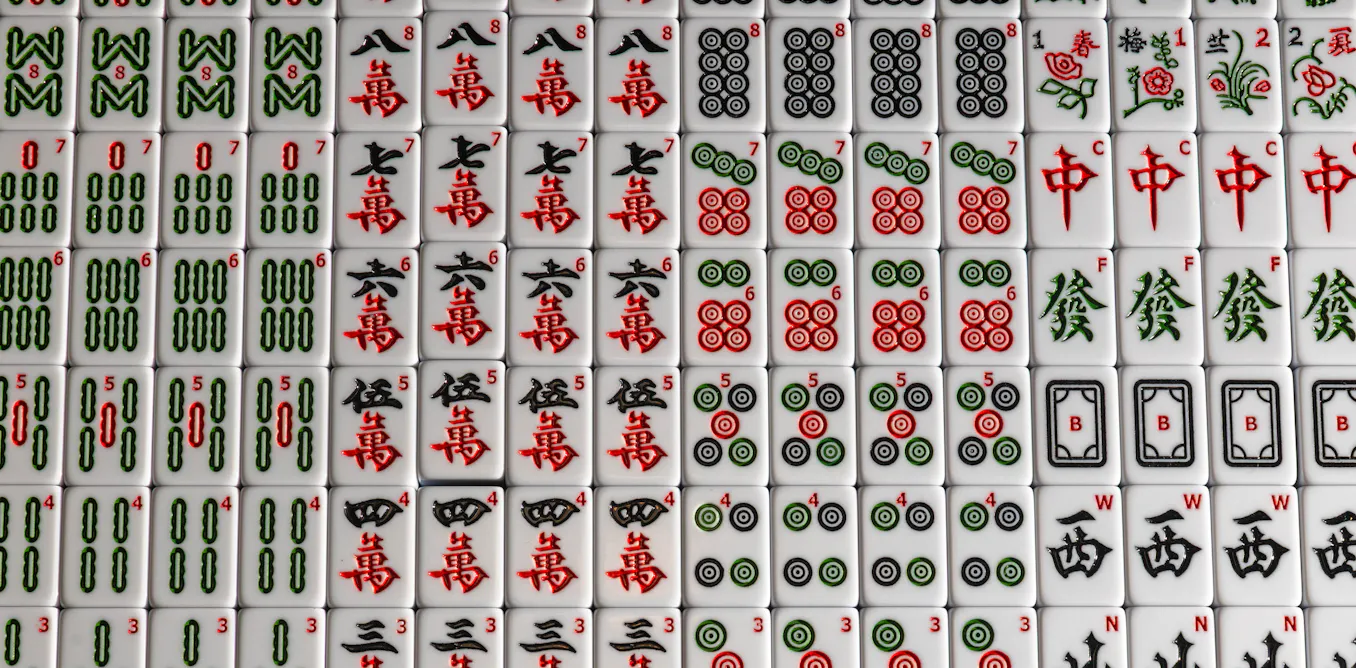
Mahjong, a centuries-old Chinese game, is experiencing a resurgence in popularity worldwide. This revival highlights the game's cultural significance and its role in fostering social connections across diverse communities.
A Game of Strategy and Social Connection
Mahjong, the traditional Chinese tile game, is witnessing a remarkable revival across the globe, transcending cultural boundaries and captivating new generations. Once primarily associated with Chinese communities, the game has found its way into the hearts of people from various backgrounds, sparking interest in its rich history and strategic gameplay.
The Roots of Mahjong
Originating in China during the Qing dynasty, Mahjong has evolved over centuries, incorporating various regional variations and styles. Traditionally played with four players, the game combines elements of skill, strategy, and a bit of luck, making it both challenging and entertaining. Its intricate tiles, each adorned with unique symbols, tell stories of Chinese culture, history, and philosophy.
A Global Trend
In recent years, Mahjong has gained traction beyond its traditional borders. In cities like New York, London, and Sydney, Mahjong clubs and cafes have sprung up, creating vibrant communities where enthusiasts gather to play and socialize. This resurgence is not merely about the game itself; it reflects a broader trend of cultural exchange and appreciation.
Social Connection in a Digital Age
The rise of digital platforms has further fueled Mahjong's popularity. Online gaming apps and virtual tables allow players to connect with others worldwide, fostering friendships and cultural exchanges. During the COVID-19 pandemic, many turned to online Mahjong as a way to stay connected with friends and family, highlighting the game's role in maintaining social ties during challenging times.
Bridging Generations
For many, Mahjong serves as a bridge between generations. Older players often teach younger family members the game, passing down not just the rules but also the stories and traditions associated with it. This intergenerational connection fosters a sense of belonging and continuity, enriching the cultural fabric of communities.
Mahjong in Popular Culture
The resurgence of Mahjong has also been reflected in popular culture. Films, television shows, and literature have embraced the game, portraying it as a symbol of friendship, competition, and cultural identity. This visibility has contributed to a growing curiosity about the game, prompting many to learn its intricacies and join the ranks of enthusiastic players.
Challenges and Misconceptions
Despite its growing popularity, Mahjong faces challenges, particularly in overcoming misconceptions. Some view it as a gambling game, while others may be intimidated by its complexity. Educating new players about the game's cultural significance and strategic depth is essential to ensure its continued growth and appreciation.
The Future of Mahjong
As Mahjong continues to evolve, its future looks promising. With increasing interest from diverse communities, the game is likely to adapt and incorporate new elements while retaining its traditional roots. The global revival of Mahjong not only celebrates a cherished cultural heritage but also fosters connections that transcend borders, proving that some traditions can thrive in the modern world.
Conclusion
Mahjong's resurgence is more than just a trend; it is a testament to the enduring power of cultural traditions. As players around the world gather around the table, they not only engage in a game of strategy but also partake in a rich cultural exchange that strengthens community bonds and celebrates diversity.