The Global Implications of Xi's Silence on Jimmy Lai's Plight
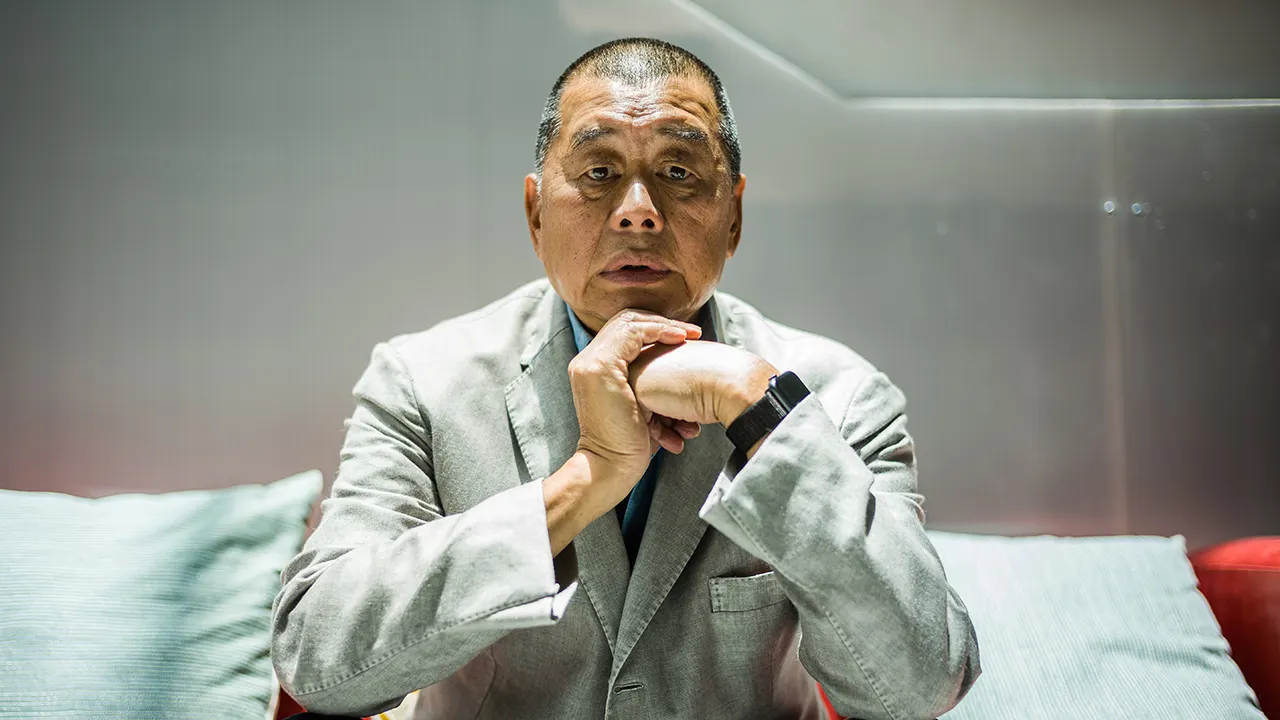
As tensions rise between the U.S. and China, the case of Hong Kong activist Jimmy Lai highlights the need for international accountability. President Trump must leverage his influence to address China's human rights violations.
Introduction
The ongoing plight of Jimmy Lai, a prominent pro-democracy activist and media mogul in Hong Kong, has drawn international attention and condemnation. His imprisonment under China's stringent national security laws raises critical questions about human rights and freedom of expression in the region. As the world watches, former President Donald Trump has been urged to confront Chinese President Xi Jinping on this pressing issue.
Background on Jimmy Lai
Jimmy Lai, founder of the now-defunct Apple Daily newspaper, has been a vocal critic of the Chinese Communist Party (CCP) and a staunch advocate for democracy in Hong Kong. His arrest in August 2020 marked a significant escalation in Beijing's crackdown on dissent, following the pro-democracy protests that swept through the territory in 2019. Lai's case symbolizes the broader struggle for freedom in Hong Kong, a city that once prided itself on its liberties.
China's Human Rights Record
China's human rights record has long been a point of contention on the global stage. The treatment of Uyghurs in Xinjiang, the suppression of freedoms in Tibet, and the ongoing crackdown in Hong Kong all contribute to a narrative of systemic oppression. Lai's imprisonment is not an isolated incident but part of a larger strategy by the CCP to silence dissent and maintain control over its territories.
The Call for Accountability
In light of these developments, there is a growing demand for international leaders to hold China accountable for its actions. Advocates argue that the U.S. must take a firm stance against Xi's regime, particularly in light of the upcoming diplomatic engagements. Trump's potential involvement could bring significant attention to Lai's situation and the broader implications for human rights in China.
Trump's Potential Role
Former President Trump has been vocal about his stance on China, often criticizing its trade practices and human rights abuses. His administration took significant steps to confront Beijing, including imposing tariffs and sanctioning Chinese officials. As he considers a potential return to the political arena, his approach to Xi could set the tone for future U.S.-China relations.
International Response
Internationally, there has been a growing chorus of voices calling for action on Lai's behalf. Human rights organizations, foreign governments, and activists have urged the U.S. and its allies to prioritize human rights in their dealings with China. The European Union and the United Kingdom have also expressed concerns over Lai's treatment, emphasizing the need for a coordinated global response.
Implications for U.S.-China Relations
The U.S.-China relationship is complex, characterized by competition and cooperation. Addressing human rights abuses, particularly in the context of Lai's case, could either strain relations further or open avenues for dialogue. Trump's ability to navigate this sensitive issue will be crucial in determining the future trajectory of U.S.-China ties.
Conclusion
As the world grapples with the implications of China's actions in Hong Kong, the case of Jimmy Lai serves as a stark reminder of the ongoing struggle for democracy and human rights. The international community, led by influential figures like Trump, must not shy away from holding China accountable. The time for action is now, as the fate of many, including Lai, hangs in the balance.