The Evolving Landscape of Minority Language Rights in Mainland China
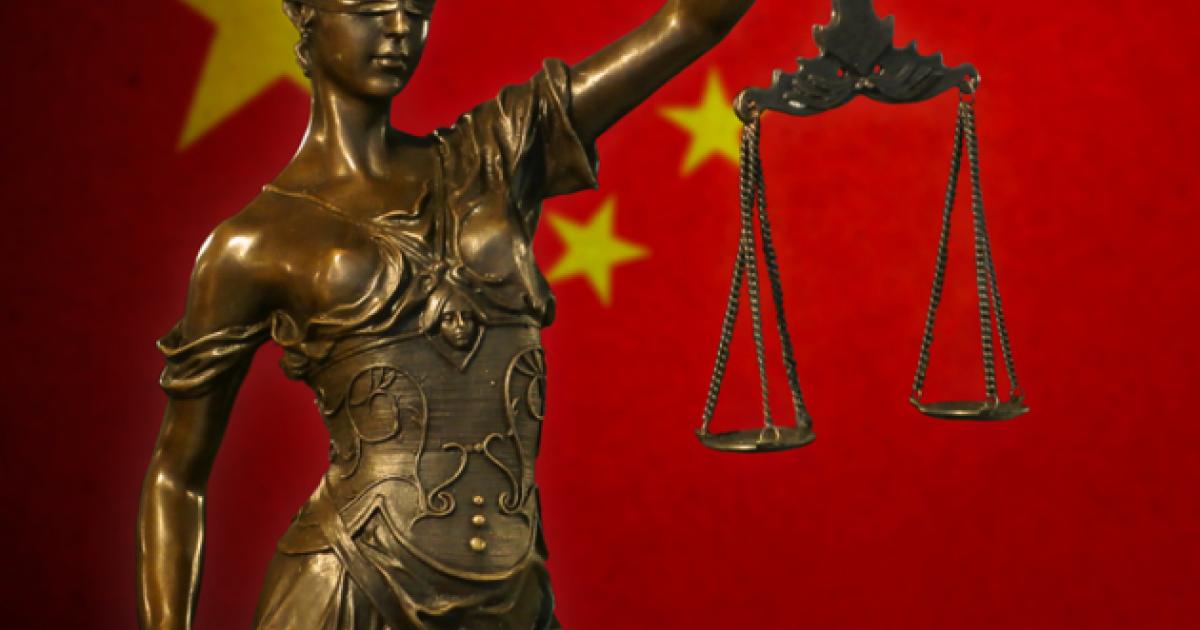
This report explores the current state of minority language rights in Mainland China, highlighting the challenges and advancements faced by various ethnic groups. As the government navigates language policies, the implications for cultural preservation and identity are profound.
Introduction
In recent years, the issue of minority language rights in Mainland China has garnered increasing attention, both domestically and internationally. With over 55 recognized ethnic minorities, the linguistic diversity in the country is vast, yet the policies governing these languages often reflect a complex interplay of cultural preservation and state control.
The Importance of Language Rights
Language is not merely a means of communication; it is a vessel of culture and identity. For many ethnic minorities in China, their native languages are integral to their heritage. However, the dominance of Mandarin Chinese as the national language has led to concerns about the erosion of minority languages, which are at risk of extinction. The United Nations has recognized the importance of linguistic rights as a fundamental aspect of human rights, emphasizing that the preservation of minority languages is crucial for cultural diversity.
Government Policies and Their Impact
The Chinese government has implemented various policies aimed at promoting Mandarin as the lingua franca of the nation. While these policies have facilitated communication and integration, they have also marginalized minority languages. In regions such as Tibet and Xinjiang, local languages are often sidelined in education and public life, leading to a decline in fluency among younger generations.
In recent years, there have been some positive developments. The government has introduced measures to promote bilingual education in certain minority regions. For instance, in Inner Mongolia, schools are mandated to teach in both Mongolian and Mandarin. However, the effectiveness of these policies varies significantly across different provinces, and many minority groups still face challenges in accessing education in their native languages.
Grassroots Movements and Cultural Revival
In response to the threats posed by language policies, grassroots movements have emerged across various ethnic communities. Activists and cultural organizations are working tirelessly to revitalize their languages and promote cultural heritage. Initiatives such as language classes, cultural festivals, and digital platforms for language learning are gaining traction. These efforts not only aim to preserve languages but also foster a sense of pride and identity among younger generations.
For example, the Hui ethnic community has launched programs that integrate traditional storytelling and music into language learning, making the process engaging and relevant. Similarly, the Yi people have utilized social media to create content in their native language, reaching a broader audience and encouraging language use in everyday life.
International Attention and Advocacy
The issue of minority language rights in China has not gone unnoticed on the international stage. Human rights organizations and linguistic advocates have raised concerns about the treatment of minority languages, urging the Chinese government to adopt more inclusive policies. Reports from organizations like the Hoover Institution highlight the need for a balanced approach that respects linguistic diversity while fostering national unity.
International pressure has led to some dialogue between the government and minority representatives, although tangible changes remain slow. The challenge lies in finding a middle ground that allows for the promotion of Mandarin while also safeguarding the rights of minority language speakers.
Conclusion
The landscape of minority language rights in Mainland China is complex and evolving. While there are significant challenges ahead, the resilience of ethnic communities and the growing awareness of the importance of linguistic diversity offer hope for the future. As the world becomes increasingly interconnected, the preservation of minority languages will not only benefit China but also contribute to the rich tapestry of global culture.