The Evolving Landscape of Freedom in Hong Kong: A Year After the National Security Law
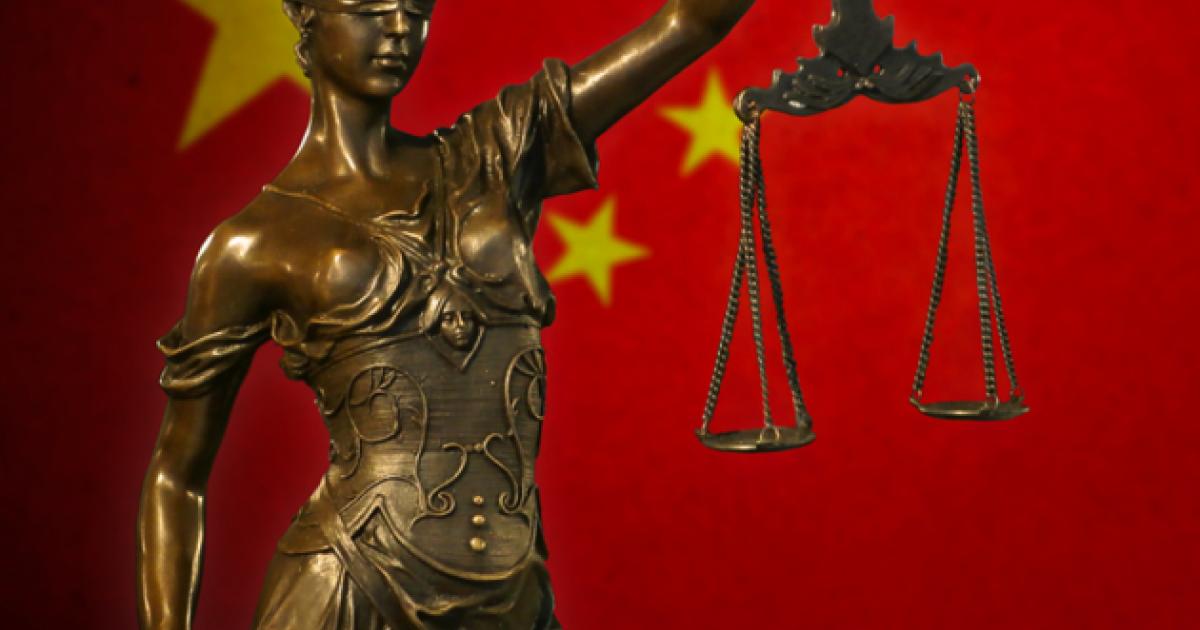
As Hong Kong marks a year since the implementation of the National Security Law, the implications for civil liberties and political dissent are profound. This report examines the current state of freedoms in the region amidst growing concerns over repression and censorship.
Introduction
One year has passed since the enactment of the National Security Law (NSL) in Hong Kong, a pivotal moment that has significantly altered the landscape of civil liberties and political expression in the region. Originally introduced by Beijing as a means to quell dissent following the 2019 protests, the law has since been criticized for its broad and vague definitions of crimes, leading to widespread fears of repression and censorship.
The Impact of the National Security Law
Since the NSL came into effect on June 30, 2020, the Hong Kong government has utilized it to arrest and prosecute numerous activists, journalists, and ordinary citizens. High-profile cases, such as the arrest of pro-democracy figures like Jimmy Lai and the disbandment of various civil society organizations, have sent a chilling message to those who dare to voice opposition to the government.
According to human rights organizations, the law has effectively criminalized dissent, with the Hong Kong police reporting a significant increase in arrests related to national security offenses. The law's reach extends beyond the territory, allowing for the prosecution of individuals outside of Hong Kong, further complicating the legal landscape for those advocating for democracy and human rights.
Censorship and Media Freedom
The media landscape in Hong Kong has also undergone a drastic transformation. Major news outlets that once operated with relative independence have either shut down or self-censored to avoid the repercussions of the NSL. The recent closure of the pro-democracy newspaper Apple Daily exemplifies the challenges faced by journalists in the region. The government’s increasing control over media narratives has left many questioning the future of press freedom in Hong Kong.
In a recent report, the Committee to Protect Journalists highlighted that Hong Kong has fallen from a position of relative media freedom to one of the most dangerous places for journalists in the world. The fear of arrest and prosecution has led many reporters to leave the city or change their reporting practices significantly.
Public Sentiment and Resistance
Despite the oppressive environment, there remains a resilient spirit among the citizens of Hong Kong. Many continue to express their dissatisfaction through subtle forms of protest, such as art, literature, and online activism. Grassroots movements have emerged, focusing on preserving Hong Kong’s unique identity and advocating for human rights, albeit under the constant threat of government scrutiny.
Public sentiment, however, is complex. While there is a significant portion of the population that supports the government’s actions as necessary for stability, a growing number of residents express concern over the erosion of freedoms and the long-term implications for Hong Kong’s future.
International Response
The international community has responded with condemnation of the NSL and its implications for human rights. Several countries, including the United States and members of the European Union, have imposed sanctions on Hong Kong officials and expressed support for the pro-democracy movement. However, the effectiveness of these measures remains in question, as Beijing continues to assert its authority over the region.
Human rights advocates argue that sustained international pressure is crucial in holding the Hong Kong government accountable and in supporting those who continue to fight for their rights. The situation remains precarious, with many fearing that the full implications of the NSL are yet to unfold.
Conclusion
As Hong Kong navigates this tumultuous period, the struggle for freedom and democracy continues. The National Security Law has undoubtedly changed the fabric of society, but the resilience of its people and the ongoing international discourse on human rights will play a crucial role in shaping the future of this vibrant city. The world watches closely as Hong Kong grapples with its identity and the fundamental rights of its citizens.