The Evolution of Christianity in Mainland China Since 1949
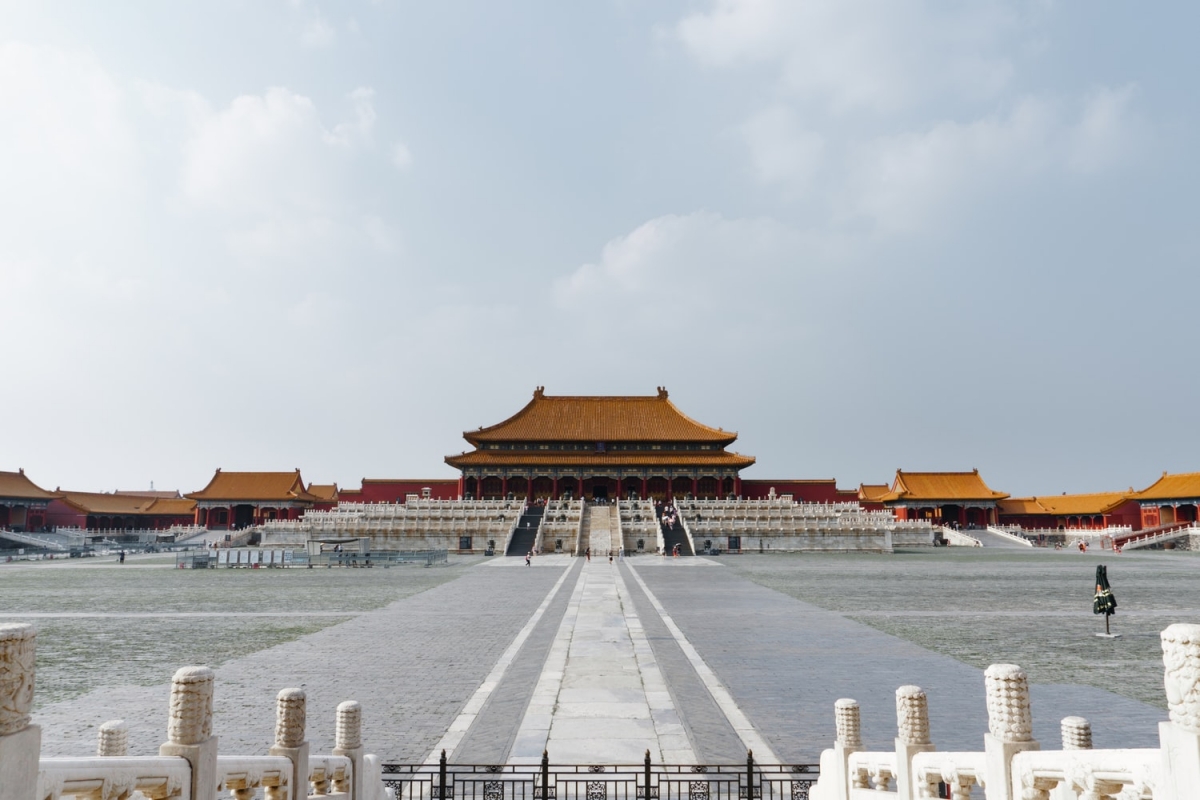
This report explores the complex landscape of Christianity in Mainland China since the establishment of the People's Republic in 1949. It highlights the challenges faced by the church and the resilience of its followers in a rapidly changing socio-political environment.
Introduction
Since the establishment of the People's Republic of China in 1949, the Christian church has undergone significant transformations. The Communist Party's policies have shaped the religious landscape, leading to both suppression and adaptation among Christian communities.
The Early Years: Suppression and Control
In the early years following 1949, the Communist regime viewed religion as a threat to its authority. The government implemented strict controls over religious practices, leading to the closure of many churches and the persecution of clergy. This period saw a decline in organized Christian worship, as many believers were forced to practice their faith in secrecy.
The Cultural Revolution: A Dark Chapter
The Cultural Revolution (1966-1976) marked one of the darkest periods for Christianity in China. Religious institutions were targeted, and many churches were destroyed. Christian leaders were imprisoned or executed, and public expressions of faith were met with severe punishment. Despite these challenges, underground churches began to emerge, providing a space for believers to gather and worship away from the prying eyes of the state.
The Reform Era: A New Beginning
With the economic reforms initiated by Deng Xiaoping in the late 1970s, a new chapter for Christianity in China began. The government recognized the need for social stability and allowed for a degree of religious expression. This led to a resurgence of Christianity, with many individuals openly embracing the faith. The Three-Self Patriotic Movement (TSPM), a state-sanctioned Protestant church, was established to oversee and regulate Christian practices in the country.
Growth of the Church: Challenges and Opportunities
In the decades following the reforms, the Christian population in China has grown exponentially. Estimates suggest that there are now over 60 million Christians in the country, with a significant number attending unofficial or underground churches. However, this growth has not come without challenges. The government continues to impose restrictions on religious activities, and many churches face pressure to conform to state regulations.
The Rise of the Underground Church
Despite government crackdowns, underground churches have thrived, often operating in secrecy to avoid detection. These congregations are characterized by their vibrant worship practices and strong community ties. They provide a sense of belonging and support for believers, particularly in rural areas where access to state-sanctioned churches is limited. The resilience of these underground communities showcases the enduring faith of many Christians in China.
Recent Developments: A Complex Landscape
In recent years, the Chinese government has intensified its efforts to control religious practices, leading to increased surveillance and crackdowns on both official and underground churches. The introduction of new regulations in 2018 has further restricted religious freedoms, requiring all religious groups to register with the government and adhere to strict guidelines. Despite these challenges, many Christians continue to practice their faith, often finding innovative ways to adapt to the changing environment.
Conclusion: The Future of Christianity in China
The future of Christianity in Mainland China remains uncertain. While the church has shown remarkable resilience in the face of adversity, ongoing government restrictions pose significant challenges. As the socio-political landscape continues to evolve, the Christian community in China will need to navigate these complexities while remaining true to their faith. The story of Christianity in China is one of struggle, adaptation, and hope, reflecting the broader narrative of faith in a rapidly changing world.