The Environmental Impact of AI Development in Hong Kong's Borderlands
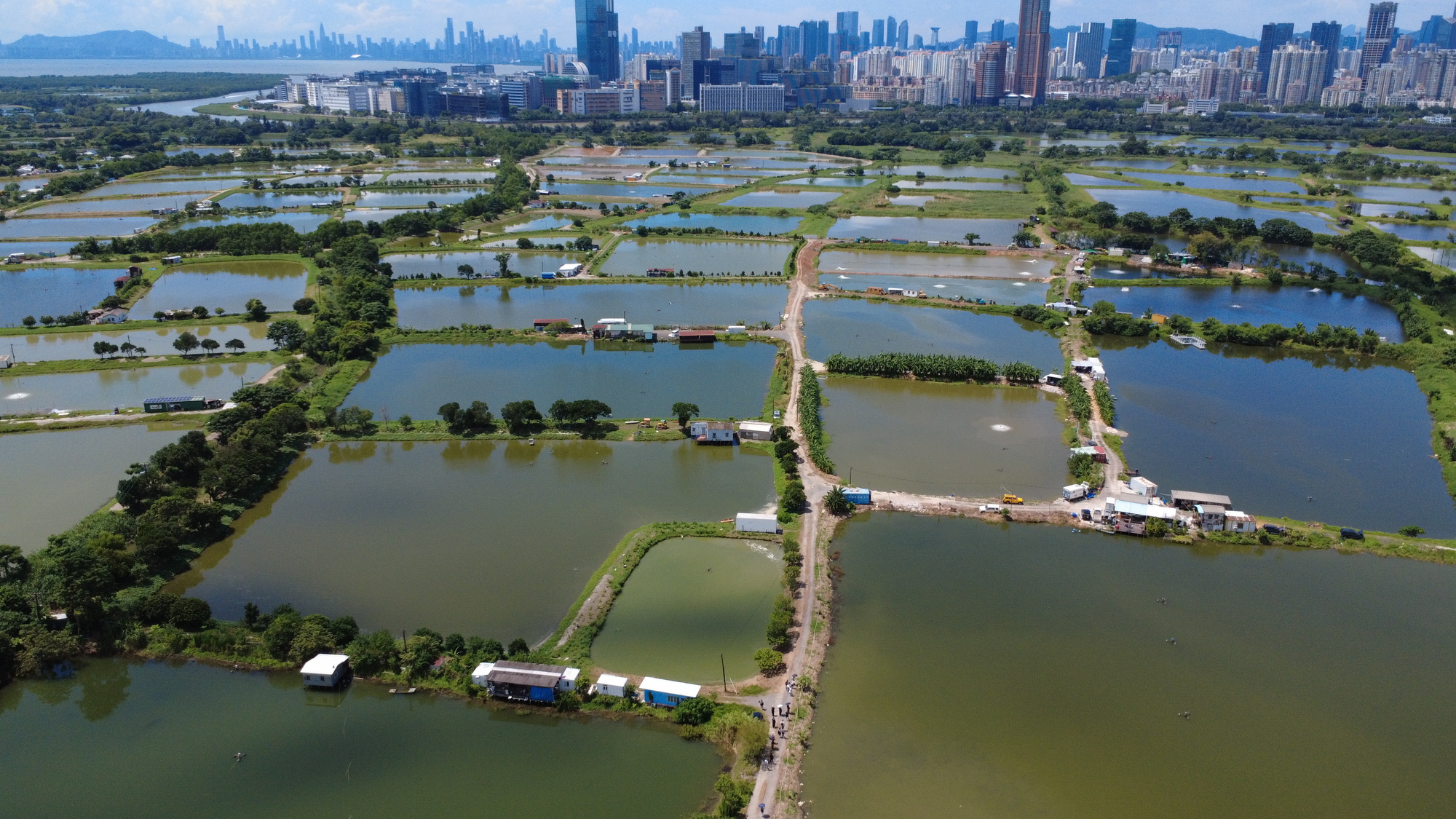
As Hong Kong embraces AI technology, the environmental repercussions in its borderlands raise significant concerns. This report delves into the physical costs associated with the rapid expansion of AI infrastructure in the region.
The Environmental Impact of AI Development in Hong Kong's Borderlands
In recent years, Hong Kong has emerged as a hub for artificial intelligence (AI) development, attracting tech companies and startups eager to capitalize on the region's unique position as a gateway between East and West. However, this rapid technological advancement comes at a significant environmental cost, particularly in the borderlands that separate Hong Kong from Mainland China. The physical and ecological implications of AI infrastructure expansion are becoming increasingly apparent, prompting urgent discussions about sustainability and environmental responsibility.
The Rise of AI Infrastructure
With the Hong Kong government actively promoting AI as a key driver of economic growth, the demand for data centers, server farms, and other technological facilities has surged. These infrastructures require substantial physical space and energy, leading to the conversion of natural landscapes into urbanized areas. The borderlands, characterized by their rich biodiversity and unique ecosystems, are particularly vulnerable to these developments.
Environmental Consequences
The construction of AI facilities often involves extensive land clearing, which disrupts local habitats and threatens wildlife. The borderlands are home to various endangered species, and the encroachment of technology threatens their survival. Additionally, the energy consumption associated with AI operations is staggering. Data centers, which operate around the clock, consume vast amounts of electricity, contributing to increased carbon emissions and exacerbating climate change.
Water Usage and Pollution
Moreover, the water usage required for cooling these data centers poses another challenge. As AI technologies continue to proliferate, the demand for water resources in these border areas is expected to rise sharply. This increased water consumption can lead to shortages for local communities and agriculture, further straining the already limited resources in the region.
Community Response and Activism
Local communities and environmental activists are beginning to voice their concerns regarding the unchecked expansion of AI infrastructure in the borderlands. Grassroots movements are emerging, advocating for sustainable development practices that prioritize ecological preservation alongside technological advancement. These groups emphasize the need for a balanced approach that considers both economic growth and environmental stewardship.
Government Initiatives and Regulations
In response to growing concerns, the Hong Kong government has initiated discussions on implementing stricter regulations for AI infrastructure development. Proposals include mandatory environmental impact assessments and the promotion of green technologies that minimize ecological footprints. However, critics argue that these measures are insufficient and call for more robust policies that genuinely protect the environment.
The Way Forward
As Hong Kong continues to position itself as a leader in AI, it is crucial to address the environmental implications of such rapid growth. Stakeholders, including government officials, tech companies, and local communities, must collaborate to find solutions that balance innovation with ecological sustainability. The future of Hong Kong's borderlands depends on a collective commitment to responsible development that safeguards the environment for generations to come.
Conclusion
The intersection of technology and environmental sustainability is a pressing issue in Hong Kong's borderlands. As the city embraces AI, it must also confront the physical costs associated with its development. By prioritizing ecological health alongside technological advancement, Hong Kong can pave the way for a more sustainable future.