The Cultural Significance of Lunar New Year Traditions in Chinese Society
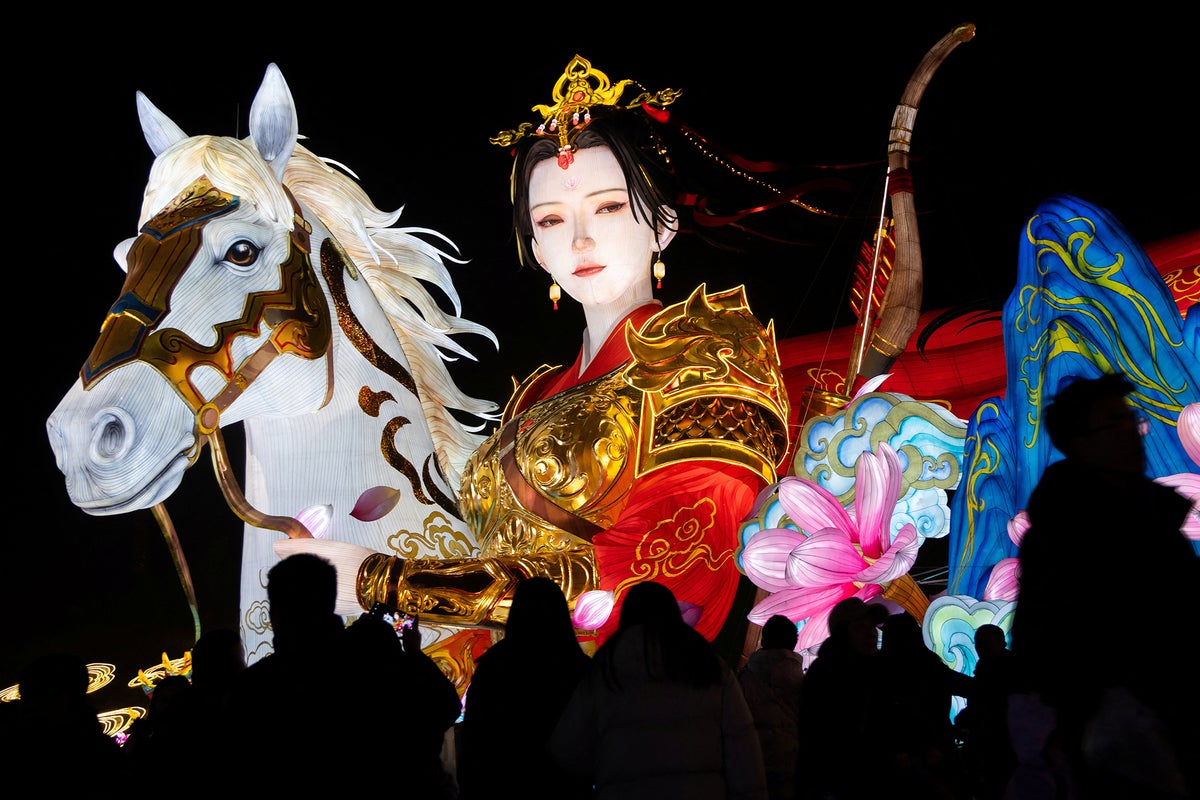
As the Lunar New Year approaches, many Chinese communities observe unique traditions that reflect their cultural heritage. This article explores the significance of customs such as cleaning and hair washing, and why some believe they bring bad luck during this festive period.
Understanding the Lunar New Year
The Lunar New Year, also known as the Spring Festival, is one of the most significant celebrations in Chinese culture. It marks the beginning of the lunar calendar and is a time for family reunions, feasting, and honoring ancestors. Traditionally, the festival is celebrated with various customs and rituals that are believed to bring good fortune and ward off bad luck.
Cleaning and Sweeping: A Double-Edged Sword
One of the most debated customs during the Lunar New Year is the act of cleaning and sweeping. Many families engage in a thorough cleaning of their homes before the New Year begins, believing it symbolizes the removal of the old and the welcoming of the new. However, some traditionalists warn against cleaning on the first day of the New Year itself, as it is thought to sweep away good luck and fortune.
The Hair Washing Tradition
Another custom that raises eyebrows is the washing of hair on the first day of the Lunar New Year. While many people wash their hair as part of their personal hygiene routine, some believe that doing so on this auspicious day can lead to misfortune. The reasoning behind this belief is that washing away the 'prosperity' and 'good fortune' that one has accumulated over the past year can invite bad luck into the new year.
Symbolism of Colors and Foods
In addition to cleaning and hair washing, the Lunar New Year is rich in symbolism, particularly in the colors and foods associated with the celebration. Red is the dominant color during this time, symbolizing happiness and good fortune. Decorations, clothing, and even red envelopes filled with money are exchanged among family and friends as a way to spread joy and blessings.
Food also plays a crucial role in the festivities. Dishes such as dumplings, fish, and rice cakes are often served, each carrying its own symbolic meaning. For example, fish represents abundance, while dumplings symbolize wealth and prosperity.
Modern Interpretations of Tradition
As society evolves, so do the interpretations of these traditions. Younger generations may not adhere strictly to the customs of their ancestors, often blending traditional practices with modern lifestyles. For instance, while some may choose to wash their hair on New Year's Day, they might also incorporate other rituals that resonate with their personal beliefs.
The Importance of Cultural Identity
Despite the changes, the essence of the Lunar New Year remains a vital part of cultural identity for many Chinese people around the world. It serves as a reminder of the importance of family, respect for traditions, and the hope for a prosperous year ahead. Whether one chooses to follow every custom to the letter or adapt them to fit contemporary life, the underlying values of unity and renewal continue to resonate.
Conclusion
The Lunar New Year is more than just a holiday; it is a celebration of cultural heritage that connects generations. Understanding the significance of traditions like cleaning and hair washing provides insight into the beliefs that shape the lives of millions. As we approach this festive season, it is essential to honor these customs while also recognizing the evolving nature of cultural practices in a modern world.