The Closing of Independent Bookshops: A Cultural Shift in China
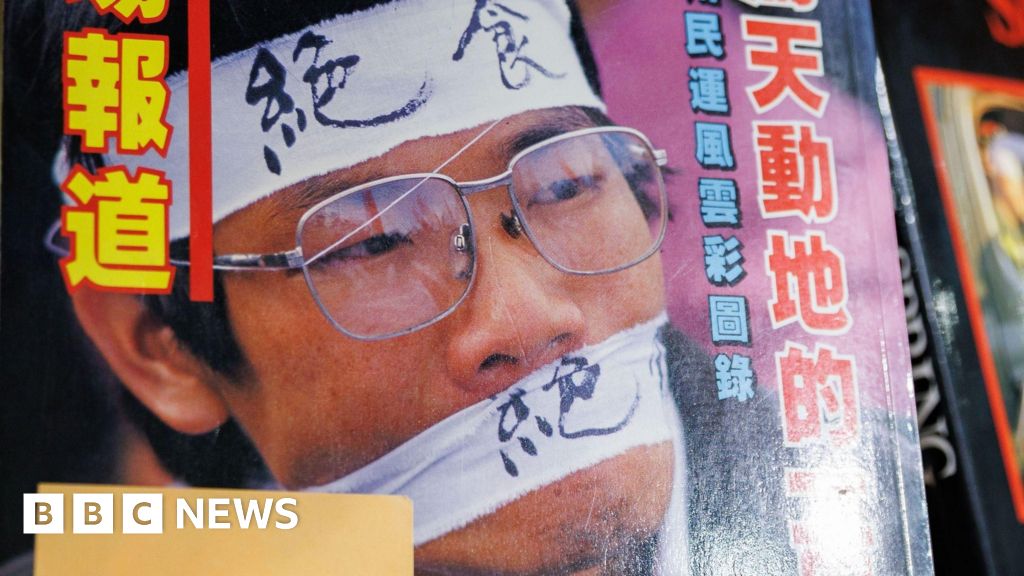
As independent bookshops across China face increasing pressure from the government, a cultural shift is evident. These spaces, once havens for free thought and discussion, are now closing their doors, raising concerns about the future of intellectual freedom in the country.
The Rise and Fall of Independent Bookshops in China
In recent years, independent bookshops in China have become vital spaces for intellectual exchange and cultural discourse. However, as the government tightens its grip on freedom of expression, many of these cherished establishments are facing closure. This trend not only reflects the changing landscape of literature in China but also raises questions about the future of independent thought in the country.
Spaces for Questioning and Dialogue
Independent bookshops in China have historically served as platforms for questioning the status quo. They have provided a space for readers to explore diverse ideas and engage in discussions that challenge mainstream narratives. From political treatises to avant-garde literature, these shops have offered a range of titles that encourage critical thinking among readers.
Government Crackdown on Free Expression
However, the increasing censorship and regulation imposed by the Chinese government have made it increasingly difficult for these bookshops to operate. Authorities have implemented stricter controls over the types of literature that can be sold, often targeting works that promote dissent or challenge the Communist Party's ideology. As a result, many independent bookshops have found themselves unable to stock popular titles or have faced harassment from local officials.
Closure of Iconic Bookshops
Recent reports indicate that several well-known independent bookshops have closed their doors in the face of these challenges. One of the most notable closures was that of a beloved bookstore in Beijing, which had become a hub for literary events and discussions. The owner cited increasing pressure from authorities and a lack of support as key reasons for shutting down.
The Impact on Readers and Writers
The closure of independent bookshops has profound implications for both readers and writers in China. For readers, these spaces provided access to a wide range of literature and the opportunity to engage with diverse perspectives. With their disappearance, many fear that the public will have limited access to critical voices and alternative viewpoints.
Writers and Intellectuals Respond
Writers and intellectuals have expressed concern over the diminishing space for free thought in China. Many argue that the closure of independent bookshops is indicative of a broader trend towards censorship and control over cultural production. Some have taken to social media to voice their frustrations, while others are seeking ways to circumvent restrictions through underground publishing.
The Future of Literary Culture in China
The future of literary culture in China remains uncertain as independent bookshops continue to close. While some are adapting by shifting to online platforms, the lack of physical spaces for discussion and debate is a significant loss for the literary community. As the government continues to tighten its grip, the hope for a vibrant and diverse literary culture hangs in the balance.
A Call for Support and Solidarity
In light of these challenges, there is a growing call for support and solidarity among readers, writers, and advocates for free expression. Many believe that fostering a culture of reading and critical thinking is essential for the future of China. As the landscape of literature evolves, the resilience of independent bookshops and their communities will be crucial in the fight for intellectual freedom.