Tao Ho: Pioneering a Local Modernism in Hong Kong Architecture
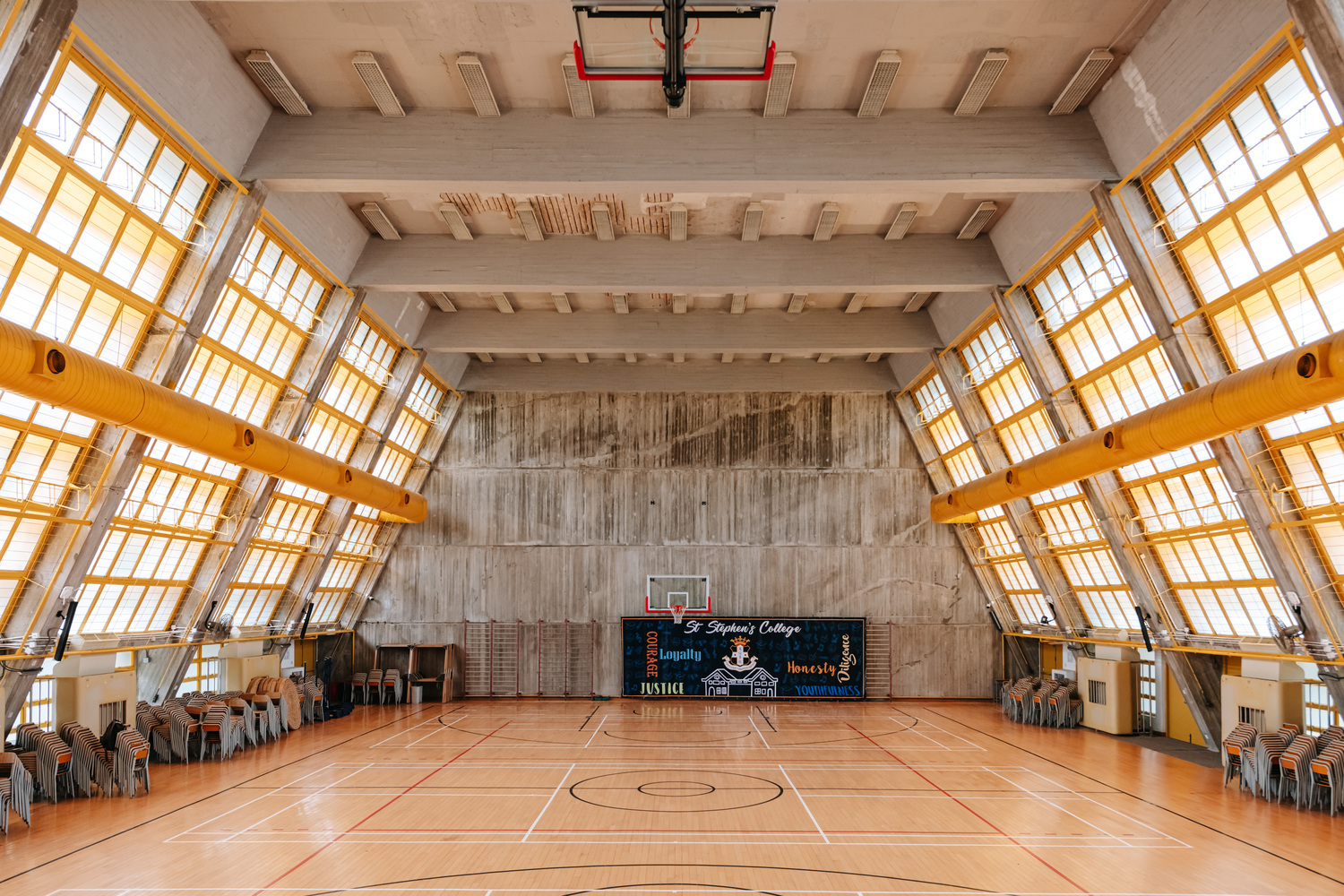
Tao Ho, a prominent figure in Hong Kong's architectural landscape, has made significant contributions that reflect the city's unique cultural identity. His work emphasizes a blend of modernism with local traditions, reshaping the way architecture is perceived in the region.
Introduction
In the bustling metropolis of Hong Kong, where the skyline is dominated by towering skyscrapers and modern designs, one architect stands out for his ability to weave local culture into contemporary architecture. Tao Ho, a name synonymous with innovation and local modernism, has dedicated his career to crafting spaces that resonate with the unique identity of Hong Kong.
A Journey Through Architecture
Tao Ho's journey began in the 1960s when he studied architecture at the University of Hong Kong. His education coincided with a period of rapid urbanization in the city, which presented both challenges and opportunities for architects. Ho quickly recognized that the architectural landscape needed to reflect the cultural nuances of Hong Kong, rather than merely imitating Western styles.
Defining Local Modernism
Local modernism, as defined by Ho, is an architectural approach that harmonizes modern design principles with local materials, traditions, and environmental considerations. Through his projects, he has demonstrated that architecture can serve as a narrative tool, telling the story of a place and its people. His work often incorporates elements of traditional Chinese architecture, such as courtyards and open spaces, while embracing modern aesthetics.
Notable Projects
Among Ho's most notable projects is the Hong Kong Arts Centre, which serves as a cultural hub for the city. Completed in 1977, the building reflects Ho's commitment to integrating art and architecture, providing a space for creativity to flourish. The use of natural light and open areas invites the community to engage with the arts, embodying Ho's belief that architecture should foster social interaction.
Another significant project is the design of the Hong Kong International Airport's Terminal 1, which showcases Ho's ability to blend functionality with elegance. The terminal's design emphasizes efficiency while maintaining a sense of place, with elements that evoke the spirit of Hong Kong's maritime history.
Influence on Future Generations
Tao Ho's influence extends beyond his architectural designs. He has been an educator, mentoring countless students and young architects in Hong Kong. His teachings emphasize the importance of understanding the cultural context in which one works, encouraging a new generation to explore local traditions and materials in their designs.
Ho's commitment to sustainability is also noteworthy. He advocates for environmentally friendly practices in architecture, urging architects to consider the ecological impact of their designs. This forward-thinking approach has inspired many to adopt sustainable practices in their own work, further shaping the architectural landscape of Hong Kong.
Recognition and Legacy
Throughout his career, Tao Ho has received numerous awards and accolades, recognizing his contributions to architecture and culture in Hong Kong. His work has been exhibited internationally, showcasing the unique blend of modernism and local identity that defines his architectural philosophy.
As Hong Kong continues to evolve, the importance of architects like Tao Ho becomes increasingly evident. His vision for a local modernism that respects tradition while embracing innovation serves as a guiding principle for future developments in the city. In a world where globalization often threatens local identities, Ho's work stands as a testament to the power of architecture to reflect and celebrate the culture of a place.
Conclusion
Tao Ho's contributions to Hong Kong's architectural landscape are profound and lasting. By championing local modernism, he has not only shaped the physical environment of the city but has also inspired a cultural renaissance in architecture. As we look to the future, Ho's legacy will undoubtedly continue to influence the way we perceive and create spaces that resonate with our identities.