Taiwan: The Geopolitical Flashpoint Between the US and China
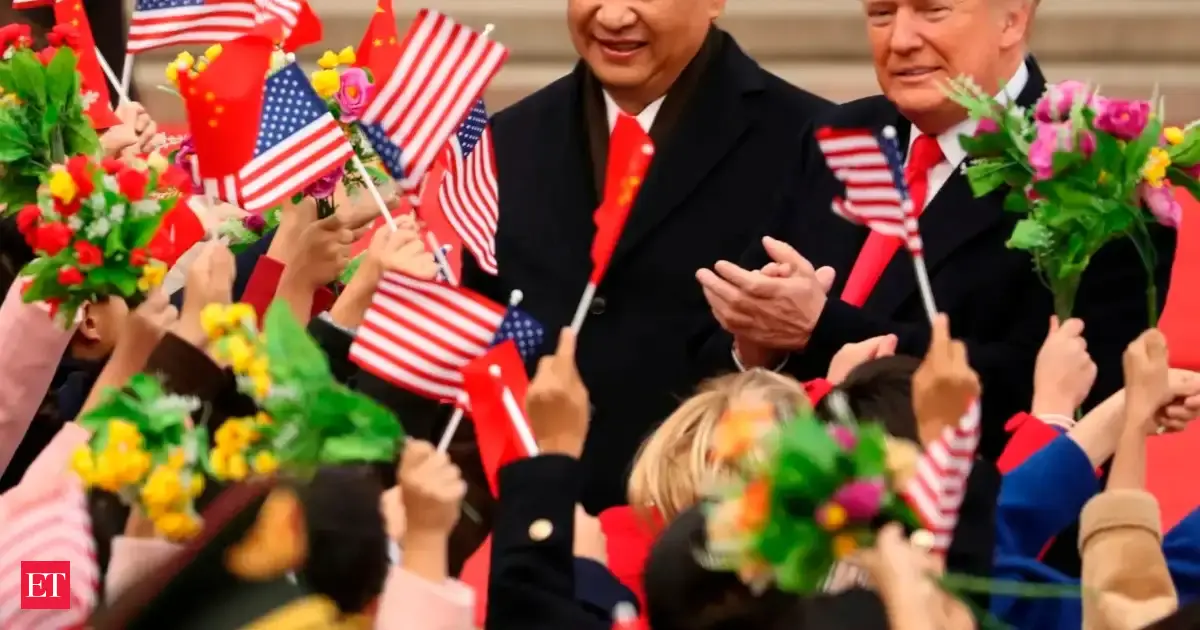
Taiwan remains a critical point of tension between the United States and China, with increasing geopolitical stakes. As both nations navigate their complex relationship, Taiwan's status continues to be a pivotal issue in international relations.
Introduction
In the intricate web of international relations, Taiwan stands out as a significant flashpoint between the United States and China. The island, which has its own government and democratic system, is claimed by China as part of its territory. This assertion has led to rising tensions, particularly as the US seeks to bolster its support for Taiwan amid growing Chinese assertiveness in the region.
The Historical Context
The roots of the Taiwan issue can be traced back to the Chinese Civil War, which ended in 1949. Following the defeat of the Nationalists, the Kuomintang retreated to Taiwan, establishing a separate government. Since then, Taiwan has developed into a vibrant democracy, while the People's Republic of China (PRC) has maintained its claim over the island. This historical backdrop is essential for understanding the current geopolitical dynamics.
US-Taiwan Relations
The United States has historically supported Taiwan, especially through the Taiwan Relations Act, which allows for arms sales and supports Taiwan's self-defense capabilities. This relationship has been further solidified in recent years, as the US has increased its military presence in the Indo-Pacific region. The Biden administration has continued this trend, signaling a commitment to Taiwan's defense in the face of potential aggression from China.
China's Position
China views Taiwan as a breakaway province that must eventually be reunified with the mainland, by force if necessary. The PRC has ramped up military exercises near Taiwan, showcasing its capabilities and willingness to assert its claim. The increasing frequency of these maneuvers has raised alarms in Washington and among Taiwan's allies, prompting discussions about the potential for conflict.
The Role of International Alliances
As tensions escalate, Taiwan's situation has drawn the attention of other countries in the region and beyond. Nations such as Japan and Australia have expressed concern over China's actions and have signaled their support for Taiwan. The Quad alliance, which includes the US, Japan, India, and Australia, has also emphasized the importance of maintaining a free and open Indo-Pacific, indirectly supporting Taiwan's position.
Economic Implications
Beyond military concerns, Taiwan plays a crucial role in the global economy, particularly in the semiconductor industry. The island is home to TSMC, the world's largest semiconductor manufacturer, which is vital for technology supply chains. Any disruption in Taiwan due to conflict would have far-reaching effects on global markets, further complicating the stakes for the US and its allies.
Public Sentiment in Taiwan
Public opinion in Taiwan is increasingly leaning towards a distinct Taiwanese identity separate from China. Recent polls indicate that a majority of Taiwanese citizens prefer to maintain the status quo rather than pursue unification or formal independence. This sentiment is a critical factor for both the US and China as they navigate their strategies regarding Taiwan.
Conclusion
As the US and China continue to vie for influence in the Asia-Pacific region, Taiwan remains at the center of their geopolitical rivalry. The island's strategic importance, coupled with its democratic values and economic significance, makes it a focal point in the broader narrative of US-China relations. Moving forward, the international community will be watching closely, as the decisions made in the coming years could shape the future of Taiwan and the stability of the region.