Taiwan Takes Center Stage in Upcoming Trump-Xi Summit
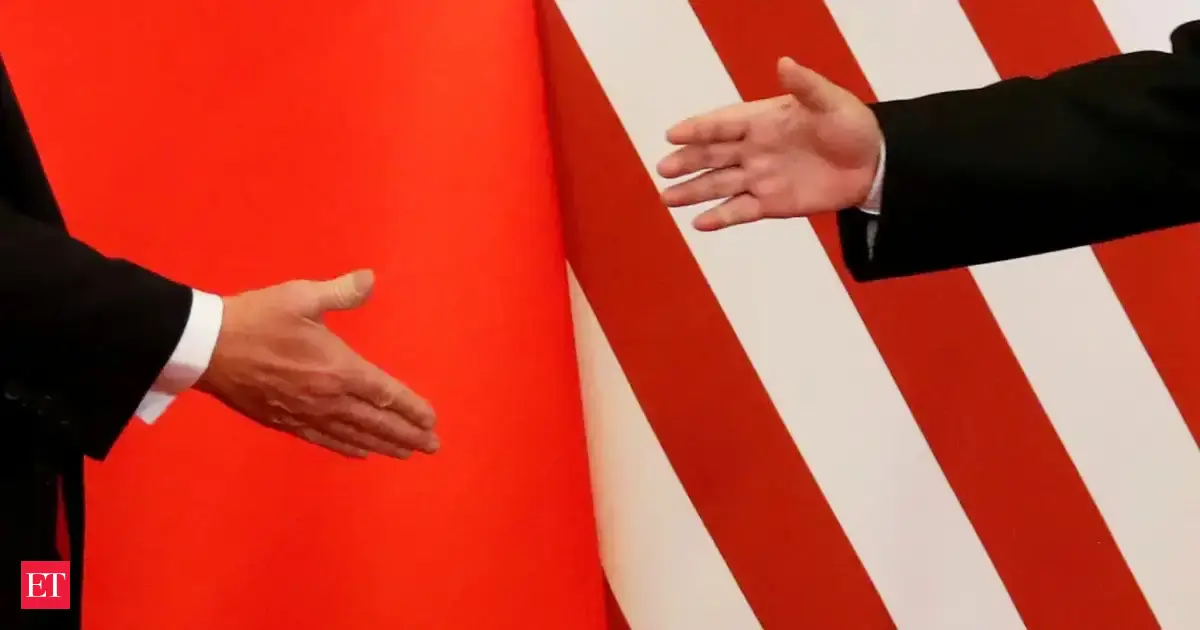
The highly anticipated summit between U.S. President Donald Trump and Chinese President Xi Jinping is set to focus significantly on Taiwan's geopolitical status. As tensions rise in the Taiwan Strait, both leaders are expected to address the implications of Taiwan's sovereignty on U.S.-China relations.
Introduction
The upcoming summit between U.S. President Donald Trump and Chinese President Xi Jinping has emerged as a critical event on the international stage, with Taiwan's status taking a prominent position on the agenda. As both leaders prepare to meet, the implications of Taiwan's geopolitical situation are expected to dominate discussions, reflecting the increasing tensions in the region.
Background on U.S.-China Relations
U.S.-China relations have been strained in recent years, with trade disputes, technological rivalry, and military posturing contributing to a complex and often contentious dynamic. Taiwan, a self-governing island that China considers a breakaway province, has become a flashpoint in these relations. The U.S. has maintained a policy of strategic ambiguity regarding Taiwan, supporting its defense capabilities while officially recognizing the One China policy.
The Significance of Taiwan in the Summit
As tensions in the Taiwan Strait escalate, Taiwan's future is increasingly intertwined with U.S.-China relations. The Trump-Xi summit is expected to address not only the military and economic implications of Taiwan's status but also the broader implications for regional stability. Analysts suggest that both leaders will seek to clarify their positions on Taiwan, with Trump likely emphasizing U.S. support for the island's democratic governance and Xi reiterating China's claim over the territory.
Military Tensions in the Taiwan Strait
In recent months, military tensions have escalated in the Taiwan Strait, with China conducting numerous military exercises and increasing the frequency of incursions into Taiwan's air defense identification zone (ADIZ). These actions have raised concerns in Taipei and among U.S. allies in the region, prompting calls for a more robust American response to ensure Taiwan's security. The summit presents an opportunity for Trump to reaffirm U.S. commitments to Taiwan while navigating the delicate balance of avoiding direct confrontation with China.
Economic Considerations
Economically, Taiwan is a critical player in global supply chains, particularly in the semiconductor industry. The island is home to some of the world's largest semiconductor manufacturers, and any disruption in its stability could have far-reaching consequences for global technology markets. As both leaders discuss trade and economic cooperation, the importance of Taiwan's role in the tech industry will likely be a focal point, with Trump potentially advocating for stronger ties with Taiwanese firms to reduce reliance on Chinese technology.
International Reactions and Implications
The international community is closely monitoring the summit, with countries in the Asia-Pacific region particularly concerned about the outcomes. Allies such as Japan and Australia have expressed support for Taiwan and are likely to seek assurances from the U.S. regarding its commitment to regional security. Conversely, China is expected to respond strongly to any perceived U.S. support for Taiwan, which could further escalate tensions in the region.
Conclusion
As the Trump-Xi summit approaches, Taiwan's status is poised to be a pivotal issue that could shape the future of U.S.-China relations. With both leaders facing domestic and international pressures, the outcomes of their discussions will be closely watched, not only for their immediate implications but also for the long-term stability of the Asia-Pacific region. The world awaits to see how these two powerful leaders will navigate the complex and sensitive issue of Taiwan amidst rising geopolitical tensions.