Taiwan Takes Center Stage at Trump-Xi Summit: Implications for U.S.-China Relations
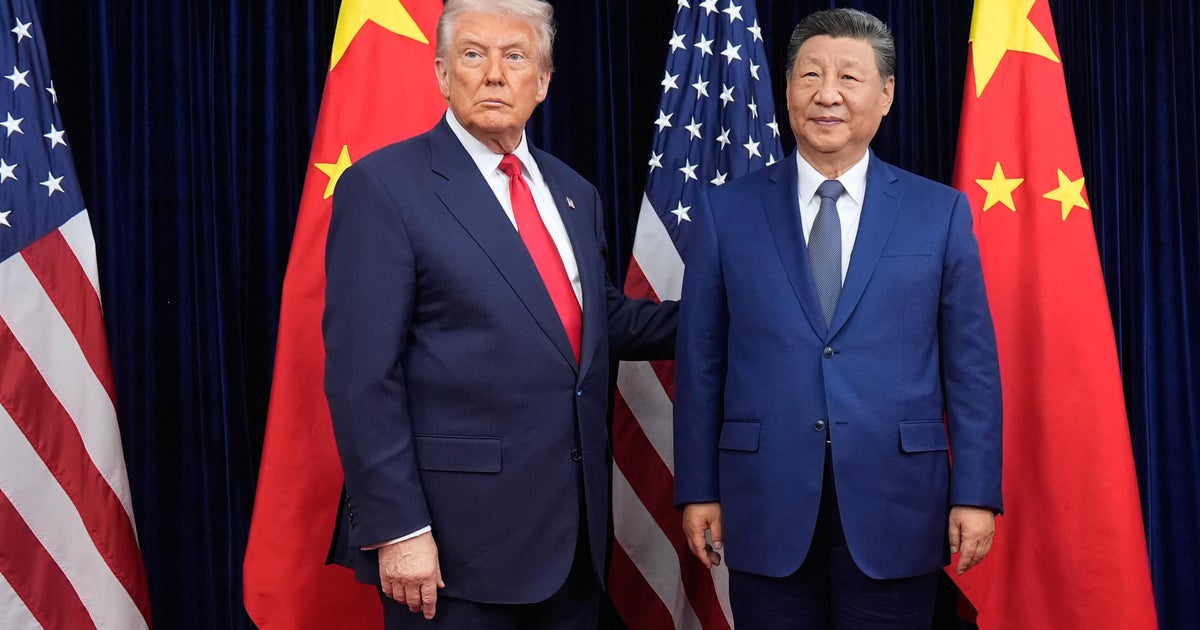
The upcoming summit between former President Donald Trump and Chinese President Xi Jinping is set to focus heavily on Taiwan, a contentious issue in U.S.-China relations. As both leaders prepare for discussions, the global community watches closely for potential shifts in policy and diplomatic strategies.
Introduction
As the world braces for a high-stakes summit between former President Donald Trump and Chinese President Xi Jinping, Taiwan is poised to be a pivotal topic of discussion. The meeting, which is expected to take place in the coming weeks, comes at a time of heightened tensions in the Taiwan Strait and amid ongoing debates regarding U.S. foreign policy in Asia.
The Context of U.S.-China Relations
U.S.-China relations have been increasingly strained over various issues, including trade, technology, and human rights. However, Taiwan remains one of the most sensitive and potentially explosive points of contention. The island, which China views as a breakaway province, has become a focal point for U.S. support for democratic governance and regional stability.
Trump's Approach to Taiwan
During his presidency, Trump adopted a more confrontational stance towards China, which included increased military support for Taiwan and a willingness to engage with Taiwanese leadership. His administration's policy shifts were seen as a departure from the long-standing U.S. approach of strategic ambiguity regarding Taiwan's status. As Trump prepares for this summit, it remains to be seen whether he will continue this trajectory or seek a more conciliatory approach in light of changing geopolitical dynamics.
Xi's Perspective on Taiwan
For Xi Jinping, Taiwan is a core national interest, and his administration has consistently emphasized the importance of reunification with the mainland. The Chinese government has ramped up military exercises near Taiwan, signaling its determination to assert its claims over the island. Xi's approach has been characterized by a mix of diplomatic pressure and military posturing, which complicates the prospects for peaceful dialogue.
Potential Outcomes of the Summit
The outcomes of the Trump-Xi summit could have significant implications for Taiwan and the broader Asia-Pacific region. Analysts suggest that a commitment from Trump to uphold U.S. support for Taiwan could provoke a strong response from Beijing, potentially escalating military tensions. Conversely, a more diplomatic approach could open avenues for dialogue but may be perceived as a weakness by hardliners in both the U.S. and China.
International Reactions
The international community is closely monitoring the developments surrounding the summit. Allies in the region, particularly Japan and Australia, are concerned about the implications of U.S.-China relations for regional security. The possibility of increased military activity in the Taiwan Strait raises alarm bells, as neighboring countries fear being caught in the crossfire of a potential conflict.
The Role of Public Opinion
Public sentiment in both the U.S. and Taiwan will also play a critical role in shaping the outcomes of the summit. In Taiwan, there is a growing sense of national identity and a desire for international recognition, which could influence the Taiwanese government's stance in negotiations. Meanwhile, in the U.S., public opinion regarding China has hardened, with many Americans viewing China as a strategic competitor rather than a partner.
Conclusion
As the Trump-Xi summit approaches, the spotlight on Taiwan underscores the complexity of U.S.-China relations. The discussions between the two leaders will not only impact the future of Taiwan but also set the tone for international diplomacy in the Asia-Pacific region. With both nations at a crossroads, the world watches with bated breath to see how this critical issue will unfold.