Taiwan's Strategic Position in the Face of Rising Tensions
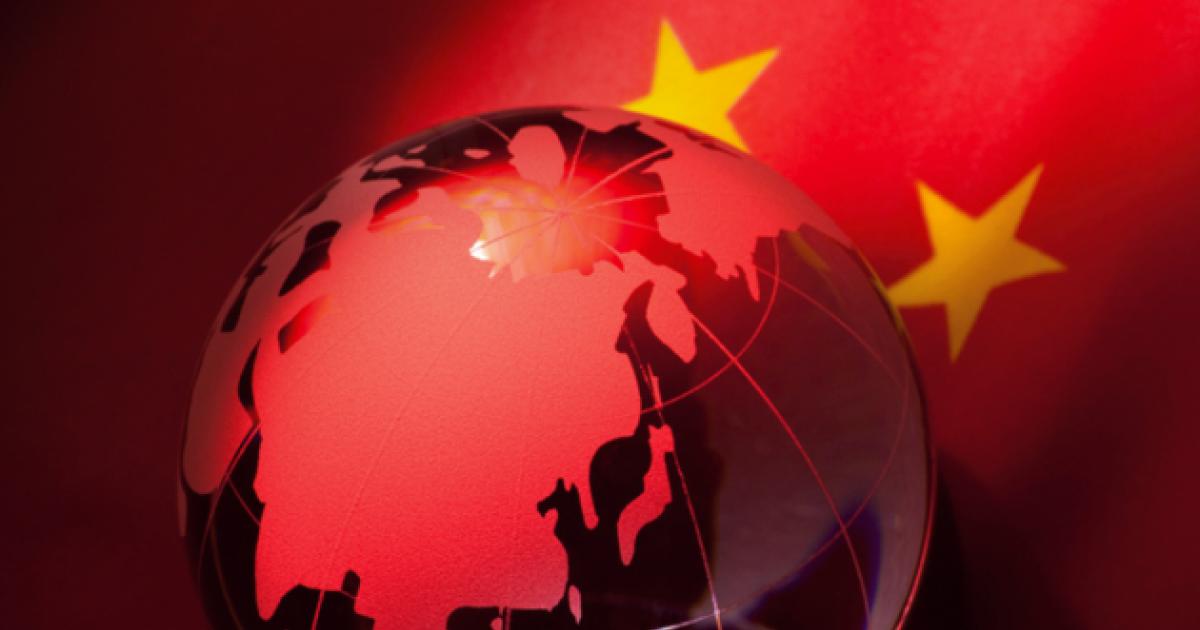
As tensions escalate between China and Taiwan, the island nation finds itself at a crucial crossroads. This report explores Taiwan's geopolitical significance and its implications for regional stability and international relations.
Introduction
In recent years, Taiwan has emerged as a focal point in the geopolitical landscape of East Asia. With escalating tensions between China and Taiwan, the island nation is navigating a complex web of international relations, economic pressures, and security challenges.
Geopolitical Significance
Taiwan's strategic location in the Taiwan Strait makes it a critical player in regional security dynamics. The island serves as a gateway for maritime trade and military movements, drawing the attention of major powers, including the United States and China. As China asserts its influence, Taiwan's role as a democratic bastion in the region becomes increasingly vital.
China's Assertive Stance
China's growing assertiveness in the region has raised alarms in Taipei and Washington. The Chinese government views Taiwan as a breakaway province and has not ruled out the use of force to achieve reunification. Recent military drills by the People's Liberation Army (PLA) near Taiwan have underscored the urgency of the situation, prompting calls for enhanced defense capabilities on the island.
International Support for Taiwan
Despite its precarious position, Taiwan has garnered international support, particularly from the United States. The U.S. has reaffirmed its commitment to Taiwan's defense through arms sales and diplomatic engagements, signaling a clear stance against Chinese aggression. Additionally, Taiwan's participation in international organizations, albeit limited, highlights its desire to be recognized as a sovereign entity.
Economic Resilience and Technological Innovation
Taiwan's economy is characterized by its technological prowess, particularly in semiconductor manufacturing. The island is home to some of the world's largest chip manufacturers, which are crucial to global supply chains. As countries seek to reduce dependency on China, Taiwan's role as a technology leader becomes even more significant, positioning it as a key player in the global economy.
Challenges Ahead
While Taiwan enjoys international support, it faces numerous challenges. The island's aging population, economic reliance on exports, and the threat of cyber espionage from China pose significant hurdles. Moreover, the ongoing tensions in the Taiwan Strait could deter foreign investment and impact economic growth.
The Role of the Hong Kong Diaspora
The Hong Kong diaspora has also played a role in Taiwan's evolving identity and international relations. Many Hongkongers seeking refuge from China's tightening grip have found a welcoming environment in Taiwan. This influx has not only enriched Taiwan's cultural fabric but has also strengthened its resolve to uphold democratic values in the face of authoritarianism.
Conclusion
As Taiwan continues to navigate the complexities of its geopolitical landscape, its resilience and strategic partnerships will be crucial in ensuring its survival and prosperity. The island's commitment to democracy, coupled with its technological advancements, positions it as a vital player in the ongoing struggle for influence in East Asia. The international community's support will be instrumental in shaping Taiwan's future amidst rising tensions with China.